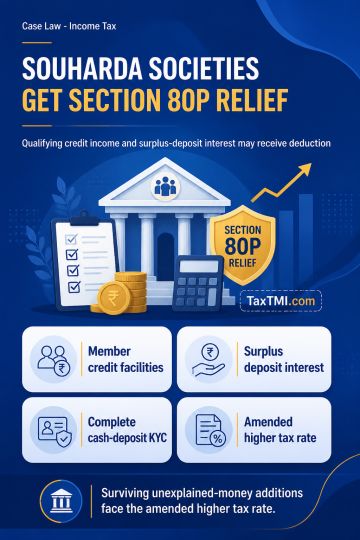
Section 80P deduction covers Souharda credit societies, including qualifying surplus-deposit interest, subject to member KYC verification for cash dep...
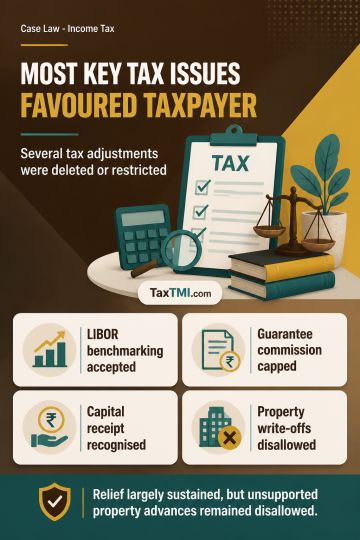
Transfer-pricing benchmarking and capital-receipt principles sustained taxpayer relief, while unsupported property-advance write-offs remained disallo...
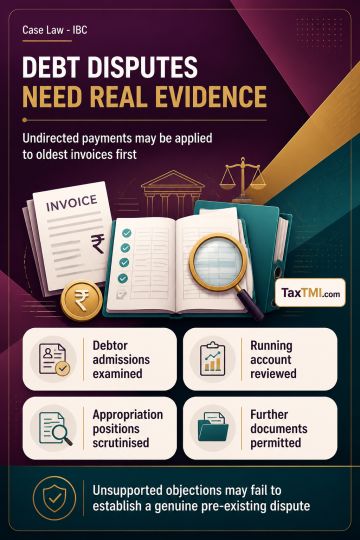
Pre-existing operational debt disputes require genuine evidence, while undirected running-account payments may be appropriated on a first-in-first-out...
Agency in CNG distribution makes outlet operators commission agents, rendering taxable Business Auxiliary Service rather than purchasing goods for res...
Alternative statutory remedy under GST did not prevent...
Alternative GST remedy permitted protective writ intervention for ex parte adjudication, preserving independent appellate review of input tax credit disputes.
Contents
Summary
Note
Bookmark
Share
✓ Copied successfully !
Print
Print Options
For full text, please login
Login to TaxTMI
Verification Pending
The Email Id has not been verified. Click on the link we have sent on
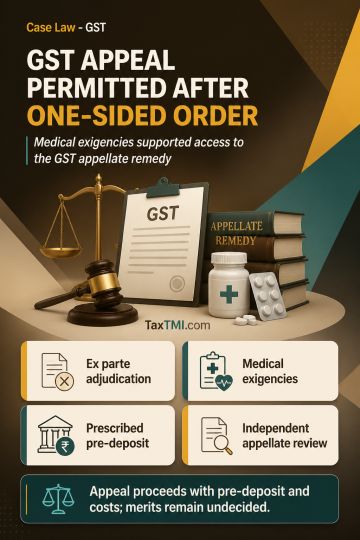
Alternative statutory remedy under GST did not prevent protective writ intervention where an ex parte adjudication was linked to partners' medical exigencies and substantial tax, interest and penalty exposure. The input tax credit dispute remained undecided on merits. Recourse to the statutory appeal was permitted subject to payment of the prescribed pre-deposit and imposed costs, with the appellate authority required to entertain the appeal and determine it independently in accordance with law. The writ proceedings therefore preserved access to the appellate remedy without deciding the underlying input tax credit demand.
Alternative statutory remedy under GST did not prevent protective writ intervention where an ex parte adjudication was linked to partners' medical exigencies and substantial tax, interest and penalty exposure. The input tax credit dispute remained undecided on merits. Recourse to the statutory appeal was permitted subject to payment of the prescribed pre-deposit and imposed costs, with the appellate authority required to entertain the appeal and determine it independently in accordance with law. The writ proceedings therefore preserved access to the appellate remedy without deciding the underlying input tax credit demand.
Note: It is a system-generated summary and is for quick reference only.
 TaxTMI
 of 4805







 Join Channel


 TaxTMI