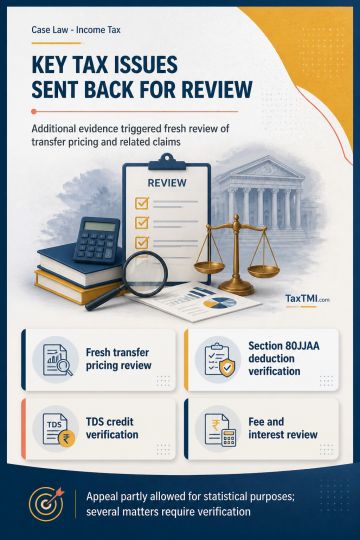
Additional evidence in transfer pricing dispute leads to fresh examination, while tax deductions, TDS credit, fee and refund interest require verifica...
Category II AIF pass-through taxation preserves non-business income character; investment receipts cannot be reclassified without applying recognised ...
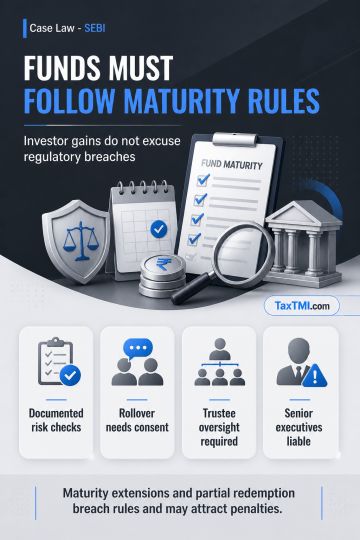
Mutual fund maturity rules require proper rollover, redemption, disclosure, and due diligence; investor gains cannot excuse regulatory breaches or pen...
Threshold exemption excludes exempt services, while stamp-paper purchases avoid reverse charge; consequential service tax penalties were also set asid...
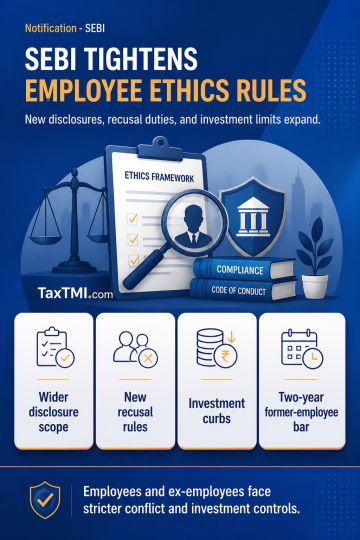
Employee conflict disclosures and investment restrictions expand with new recusal duties, post-employment limits, and compliance reporting requirement...
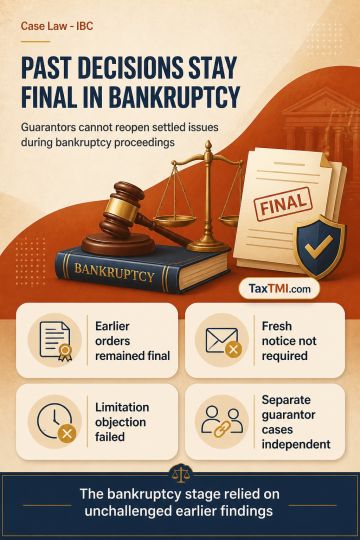
Finality of unchallenged personal insolvency resolution orders prevents a personal guarantor from reopening findings at the consequential bankruptcy stage. Where the guarantor was validly proceeded against ex parte in the resolution process, Section 121 does not require fresh prior notice before a bankruptcy order, particularly where the closure application and bankruptcy petition were served. A limitation objection also fails where an earlier SARFAESI demand enforced security interests rather than invoked the guarantee, and the insolvency application was filed within three years of the subsequent Code demand. Separate proceedings against other guarantors remain independent, and new grounds not raised before the Adjudicating Authority cannot ordinarily be introduced in appeal.
Finality of unchallenged personal insolvency resolution orders prevents a personal guarantor from reopening findings at the consequential bankruptcy stage. Where the guarantor was validly proceeded against ex parte in the resolution process, Section 121 does not require fresh prior notice before a bankruptcy order, particularly where the closure application and bankruptcy petition were served. A limitation objection also fails where an earlier SARFAESI demand enforced security interests rather than invoked the guarantee, and the insolvency application was filed within three years of the subsequent Code demand. Separate proceedings against other guarantors remain independent, and new grounds not raised before the Adjudicating Authority cannot ordinarily be introduced in appeal.
Note: It is a system-generated summary and is for quick reference only.
 TaxTMI
 of 4803











 Join Channel


 TaxTMI
