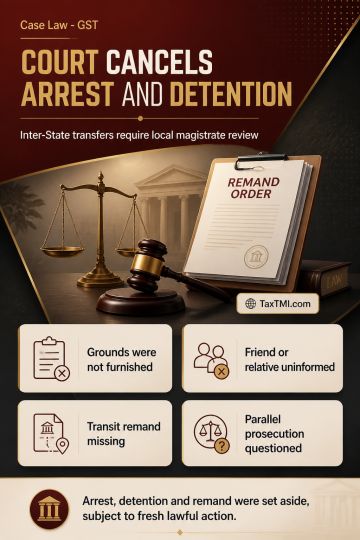
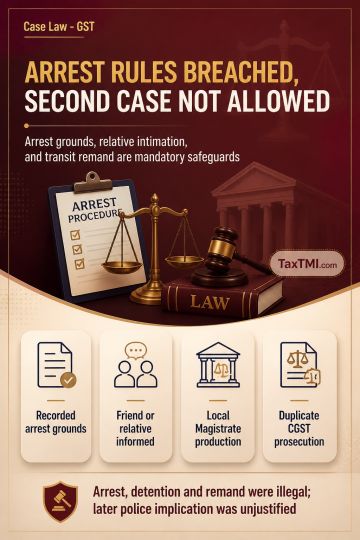
Arrest safeguards and transit remand requirements invalidated detention following inter-State transfer without communicated grounds or magistrate auth...
Arrest safeguards require disclosed grounds, relative intimation and transit remand, while duplicate prosecution under the CGST framework is unsustain...
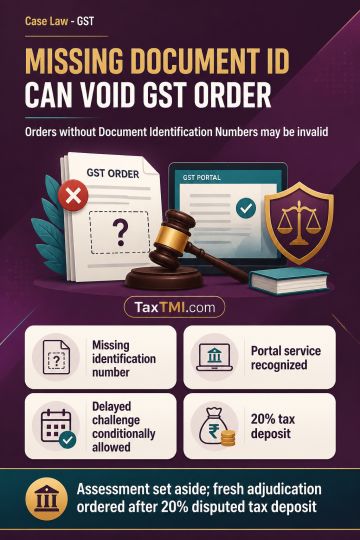
Document Identification Number defects can invalidate GST assessments, with delayed challenges entertained conditionally where patent irregularities e...
Windmill commissioning evidence supported higher depreciation where grid connection and electricity generation proved operational use before the relev...
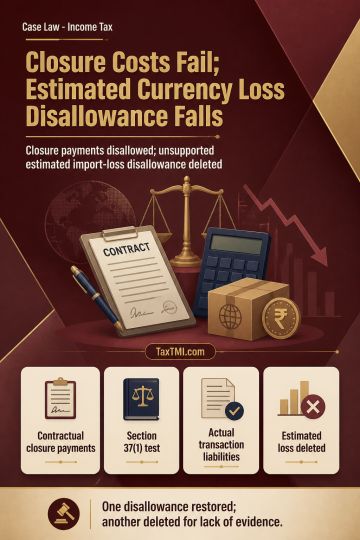
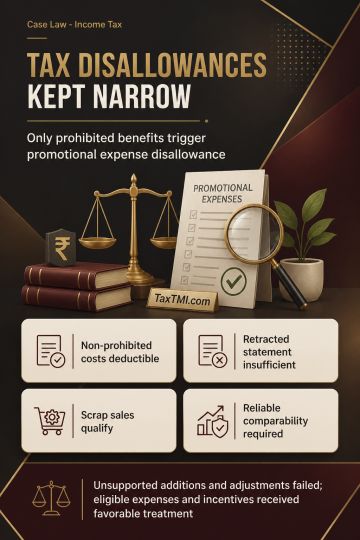
Pharmaceutical promotion and transfer-pricing comparability principles limited disallowances, while uncorroborated search allegations and unsupported ...
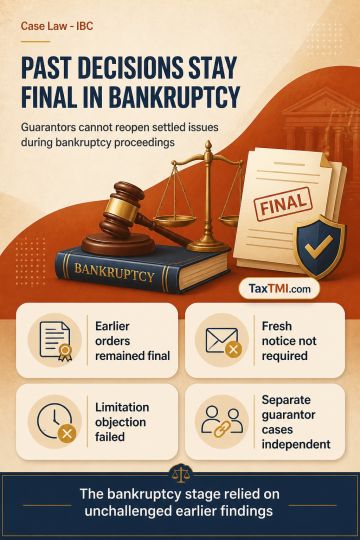
Finality of unchallenged personal insolvency resolution orders prevents a personal guarantor from reopening findings at the consequential bankruptcy stage. Where the guarantor was validly proceeded against ex parte in the resolution process, Section 121 does not require fresh prior notice before a bankruptcy order, particularly where the closure application and bankruptcy petition were served. A limitation objection also fails where an earlier SARFAESI demand enforced security interests rather than invoked the guarantee, and the insolvency application was filed within three years of the subsequent Code demand. Separate proceedings against other guarantors remain independent, and new grounds not raised before the Adjudicating Authority cannot ordinarily be introduced in appeal.
Finality of unchallenged personal insolvency resolution orders prevents a personal guarantor from reopening findings at the consequential bankruptcy stage. Where the guarantor was validly proceeded against ex parte in the resolution process, Section 121 does not require fresh prior notice before a bankruptcy order, particularly where the closure application and bankruptcy petition were served. A limitation objection also fails where an earlier SARFAESI demand enforced security interests rather than invoked the guarantee, and the insolvency application was filed within three years of the subsequent Code demand. Separate proceedings against other guarantors remain independent, and new grounds not raised before the Adjudicating Authority cannot ordinarily be introduced in appeal.
Note: It is a system-generated summary and is for quick reference only.
 TaxTMI
 of 4798














 Join Channel


 TaxTMI