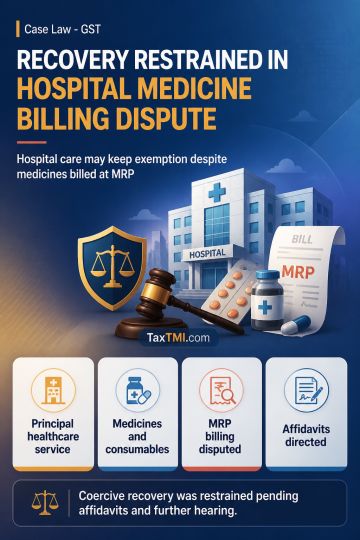
Composite inpatient healthcare supply may retain exemption despite MRP medicine billing, while separate taxable sale characterisation remains disputed...
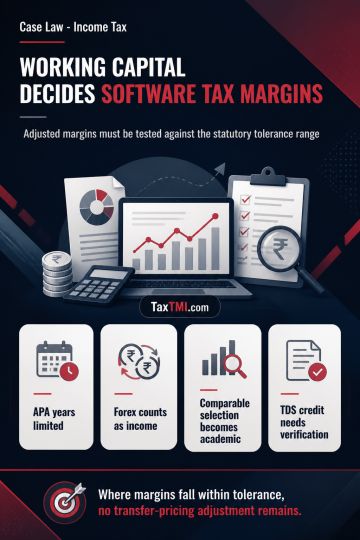
Working-capital adjustment determines whether software-services transfer-pricing margins fall within the statutory tolerance range, eliminating any ad...
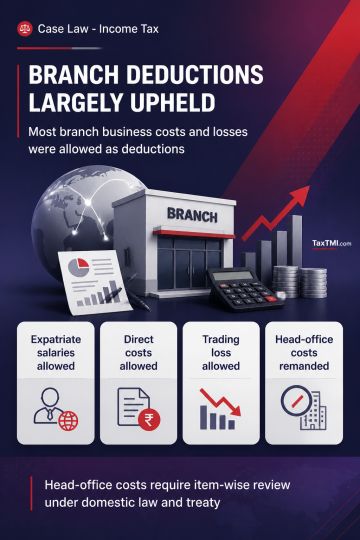
Permanent establishment deductions upheld for expatriate salaries, direct costs and trading losses, while head-office costs require fresh classificati...
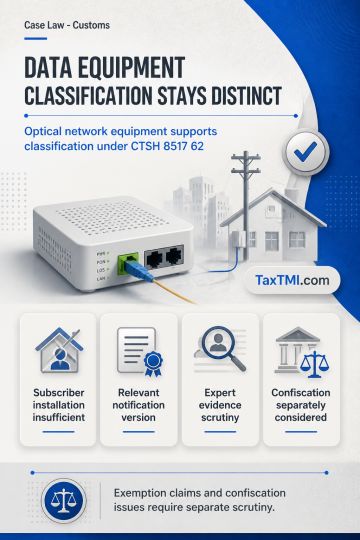
Data transmission equipment classification under CTSH 8517 62 remains distinct from residual classification, with exemption evidence requiring scrutin...
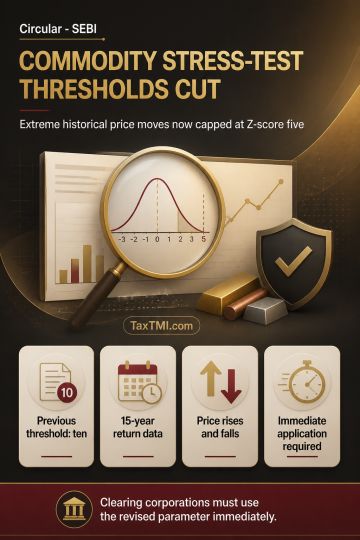
Historical-scenario stress testing for commodity derivatives now caps extreme peak historical price movements at the level corresponding to a Z-score of 5, replacing the previous Z-score threshold of 10. The cap applies to maximum percentage price rises and falls over the applicable margin period of risk, using the mean and standard deviation of returns across the preceding 15 years for Z-score calculation. Recognised clearing corporations with commodity derivatives segments must apply the revised stress-testing parameter with immediate effect.
Historical-scenario stress testing for commodity derivatives now caps extreme peak historical price movements at the level corresponding to a Z-score of 5, replacing the previous Z-score threshold of 10. The cap applies to maximum percentage price rises and falls over the applicable margin period of risk, using the mean and standard deviation of returns across the preceding 15 years for Z-score calculation. Recognised clearing corporations with commodity derivatives segments must apply the revised stress-testing parameter with immediate effect.
Note: It is a system-generated summary and is for quick reference only.
 TaxTMI
 of 4803












 Join Channel


 TaxTMI
