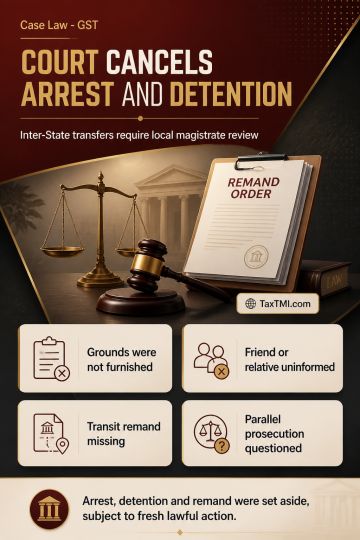
Arrest safeguards and transit remand requirements invalidated detention following inter-State transfer without communicated grounds or magistrate auth...
Arrest safeguards require disclosed grounds, relative intimation and transit remand, while duplicate prosecution under the CGST framework is unsustain...
Document Identification Number defects can invalidate GST assessments, with delayed challenges entertained conditionally where patent irregularities e...
Windmill commissioning evidence supported higher depreciation where grid connection and electricity generation proved operational use before the relev...
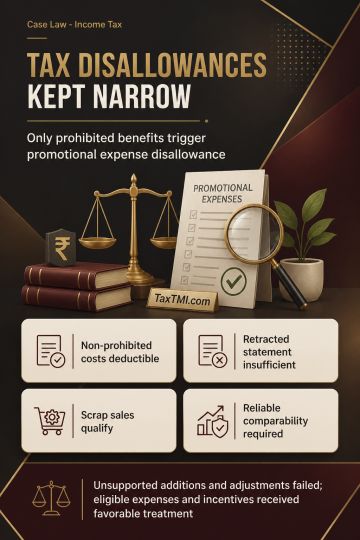
Pharmaceutical promotion and transfer-pricing comparability principles limited disallowances, while uncorroborated search allegations and unsupported ...
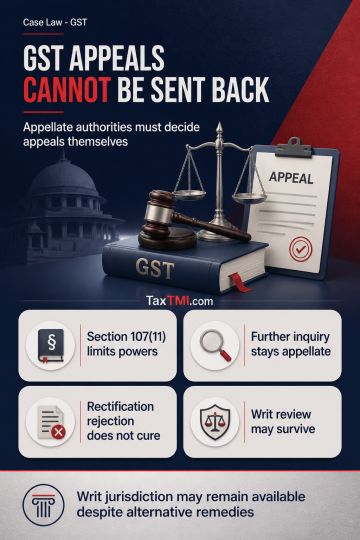
Writ jurisdiction against CGST Orders-in-Original is unavailable where the statutory appeal provides an efficacious and comprehensive remedy for reviewing facts, law, evidence and adjudicatory correctness. Objections concerning hearing, notice service, technical difficulties, evidentiary authentication, corroboration, cross-examination and voluntary payment require record-based factual assessment by the appellate authority. Neither patent lack of jurisdiction nor a manifest, common breach of natural justice was established to justify bypassing that remedy. Petitioners who had already invoked the statutory appeal could not simultaneously pursue writ relief over the same order without exceptional circumstances. The writ petitions were dismissed, with merits left open for appellate consideration, including any request to exclude time spent in writ proceedings according to law.
Writ jurisdiction against CGST Orders-in-Original is unavailable where the statutory appeal provides an efficacious and comprehensive remedy for reviewing facts, law, evidence and adjudicatory correctness. Objections concerning hearing, notice service, technical difficulties, evidentiary authentication, corroboration, cross-examination and voluntary payment require record-based factual assessment by the appellate authority. Neither patent lack of jurisdiction nor a manifest, common breach of natural justice was established to justify bypassing that remedy. Petitioners who had already invoked the statutory appeal could not simultaneously pursue writ relief over the same order without exceptional circumstances. The writ petitions were dismissed, with merits left open for appellate consideration, including any request to exclude time spent in writ proceedings according to law.
Note: It is a system-generated summary and is for quick reference only.
 TaxTMI
 of 4798














 Join Channel


 TaxTMI