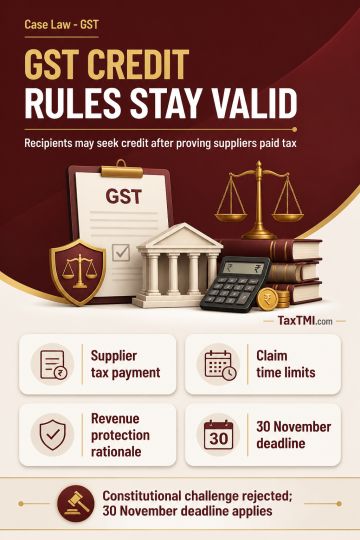
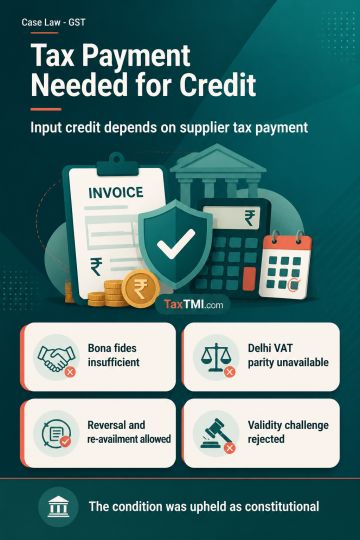
Input tax credit conditions remain constitutionally valid, with eligible recipient claims considered under GST circulars and retrospective filing dead...
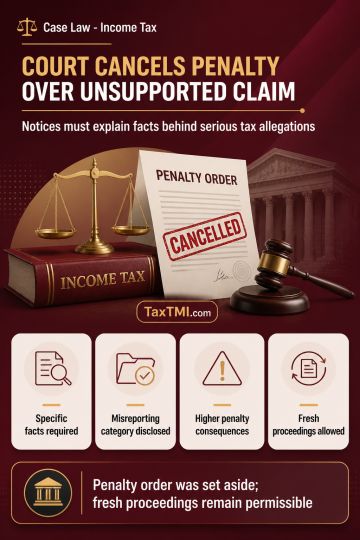
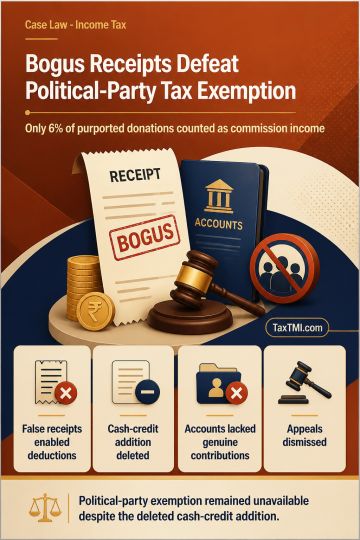
Bogus donation receipts justified commission income assessment and defeated political-party tax exemption for inaccurate accounts and reporting failur...
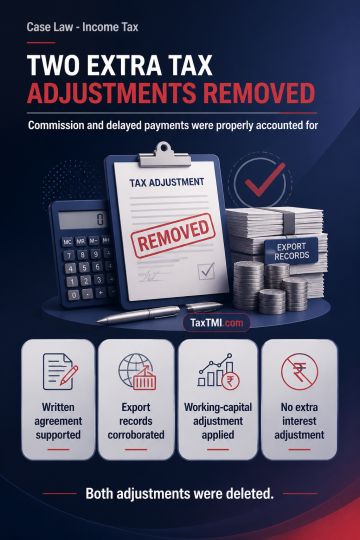
Pure reimbursement without income element escapes tax withholding, while delayed withholding and unsupported provisions face deferred or renewed scrut...
Public benefit requirement defeats charitable registration where residents' association services are reciprocal, member-only facilities governed by mu...
Exempt-income expenditure disallowance is confined to investments that actually generated exempt income, while supported business expenses remain dedu...
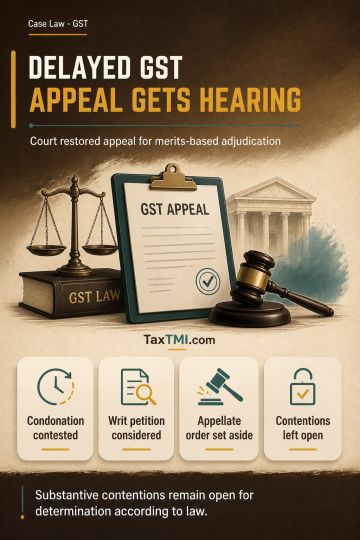
Writ jurisdiction against CGST Orders-in-Original is unavailable where the statutory appeal provides an efficacious and comprehensive remedy for reviewing facts, law, evidence and adjudicatory correctness. Objections concerning hearing, notice service, technical difficulties, evidentiary authentication, corroboration, cross-examination and voluntary payment require record-based factual assessment by the appellate authority. Neither patent lack of jurisdiction nor a manifest, common breach of natural justice was established to justify bypassing that remedy. Petitioners who had already invoked the statutory appeal could not simultaneously pursue writ relief over the same order without exceptional circumstances. The writ petitions were dismissed, with merits left open for appellate consideration, including any request to exclude time spent in writ proceedings according to law.
Writ jurisdiction against CGST Orders-in-Original is unavailable where the statutory appeal provides an efficacious and comprehensive remedy for reviewing facts, law, evidence and adjudicatory correctness. Objections concerning hearing, notice service, technical difficulties, evidentiary authentication, corroboration, cross-examination and voluntary payment require record-based factual assessment by the appellate authority. Neither patent lack of jurisdiction nor a manifest, common breach of natural justice was established to justify bypassing that remedy. Petitioners who had already invoked the statutory appeal could not simultaneously pursue writ relief over the same order without exceptional circumstances. The writ petitions were dismissed, with merits left open for appellate consideration, including any request to exclude time spent in writ proceedings according to law.
Note: It is a system-generated summary and is for quick reference only.
 TaxTMI
 of 4798













 Join Channel


 TaxTMI