Cross-examination rights and corroborated evidence limit customs penalties for misdeclaration in genuine import transactions involving documented clea...
Tariff classification of vehicle gear components follows the specific gearing entry, displacing motor-vehicle parts classification and related liabili...
Necessary-party requirements limit impleadment of independent entities, while deferred consideration does not create an appealable adverse determinati...
Food supplement classification requires common parlance and authoritative tests, preventing treatment as proprietary Ayurvedic medicines without suppo...
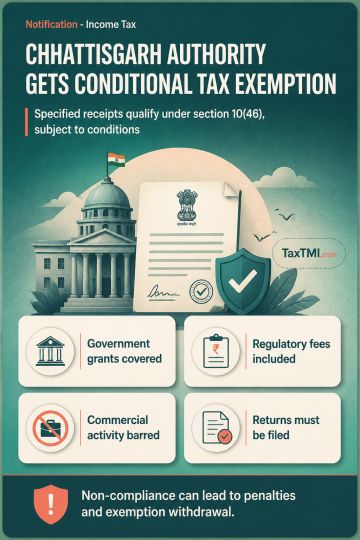
Specified regulatory authority income receives conditional tax exemption, subject to non-commercial activity, unchanged income character, and return f...
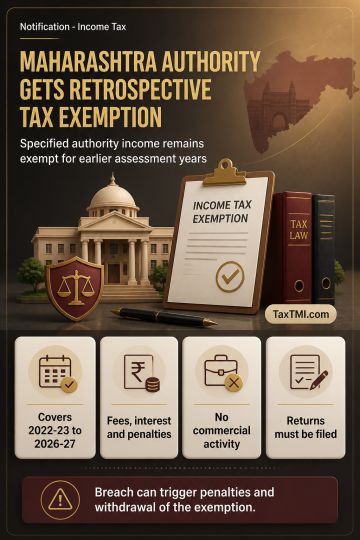
Tax exemption for regulatory authority income applies retrospectively, subject to non-commercial activity, unchanged income sources, and return-filing...
Compostable polymer bags and packing materials made from PLA and PBAT blends are classifiable as plastic articles for the conveyance or packing of goods under heading 3923 2990, rather than as paper products under Chapter 48. Eligibility for the concessional GST rate applicable to biodegradable bags depends on compliance with the separate standards for biodegradable plastics, including IS 17899 T:2022 and the required CPCB certification. Certification as compostable under IS/ISO 17088 does not establish that the goods are biodegradable, particularly because the biodegradable-plastics standard excludes compostable plastics within that regime. Such compostable bags are therefore outside the concessional entry for paper sacks, bags and biodegradable bags.
Compostable polymer bags and packing materials made from PLA and PBAT blends are classifiable as plastic articles for the conveyance or packing of goods under heading 3923 2990, rather than as paper products under Chapter 48. Eligibility for the concessional GST rate applicable to biodegradable bags depends on compliance with the separate standards for biodegradable plastics, including IS 17899 T:2022 and the required CPCB certification. Certification as compostable under IS/ISO 17088 does not establish that the goods are biodegradable, particularly because the biodegradable-plastics standard excludes compostable plastics within that regime. Such compostable bags are therefore outside the concessional entry for paper sacks, bags and biodegradable bags.
Note: It is a system-generated summary and is for quick reference only.
 TaxTMI
 of 4798




















 Join Channel


 TaxTMI