Approved resolution plans extinguish unsubmitted pre-approval tax claims, preventing later recovery outside the insolvency process and preserving a cl...
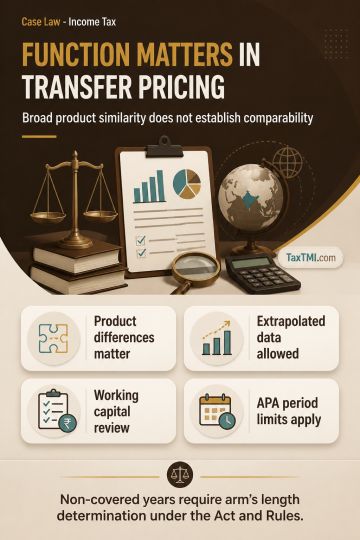
Transfer pricing comparability requires functional alignment and permits working capital adjustment, while APA margins cannot govern non-covered years...
Treaty benefit, goodwill depreciation and hedging costs: export commission disallowed, while key business deductions and depreciation claims succeeded...
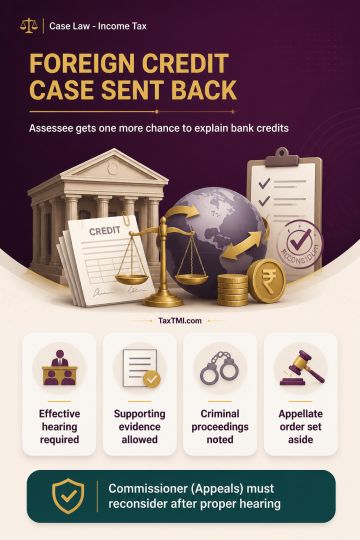
Undisclosed foreign asset classification requires an unexplained source; unrebutted affidavits and corroborative evidence defeated the Black Money Act...
Service-tax show cause notices based on foreign-currency...
Extended limitation fails without specific suppression allegations, while overseas employee secondment remains taxable as manpower supply within normal limitation.
Contents
Summary
Note
Bookmark
Share
✓ Copied successfully !
Print
Print Options
For full text, please login
Login to TaxTMI
Verification Pending
The Email Id has not been verified. Click on the link we have sent on
Service-tax show cause notices based on foreign-currency expenditure remain valid where they identify the alleged services sufficiently for the assessee to provide service-wise and amount-wise replies; further elaboration during adjudication does not exceed the notices' scope. Extended limitation cannot rest on a bare statutory reference without pleaded facts showing fraud, collusion, wilful misstatement or suppression with intent to evade tax, particularly after an earlier audit-based notice and where employee secondment involves interpretive issues. Overseas employee secondment constitutes manpower supply, subject only to the normal limitation period. Other service-tax demands require fresh reasoned determination after considering submissions, accounting evidence, the Chartered Accountant certificate, and relevant accounting standards and procedures.
Service-tax show cause notices based on foreign-currency expenditure remain valid where they identify the alleged services sufficiently for the assessee to provide service-wise and amount-wise replies; further elaboration during adjudication does not exceed the notices' scope. Extended limitation cannot rest on a bare statutory reference without pleaded facts showing fraud, collusion, wilful misstatement or suppression with intent to evade tax, particularly after an earlier audit-based notice and where employee secondment involves interpretive issues. Overseas employee secondment constitutes manpower supply, subject only to the normal limitation period. Other service-tax demands require fresh reasoned determination after considering submissions, accounting evidence, the Chartered Accountant certificate, and relevant accounting standards and procedures.
Note: It is a system-generated summary and is for quick reference only.
 TaxTMI
 of 4803













 Join Channel



 TaxTMI