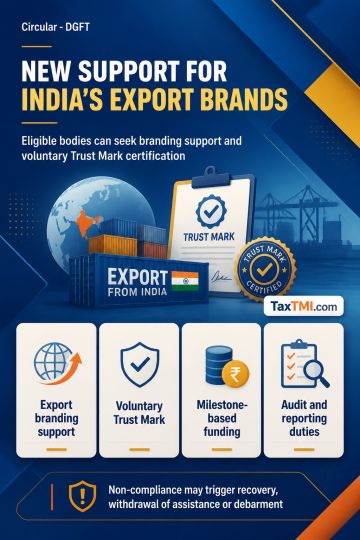
Unified Brand India framework introduces voluntary Trust Mark certification and funding support for export branding, packaging and global promotional ...
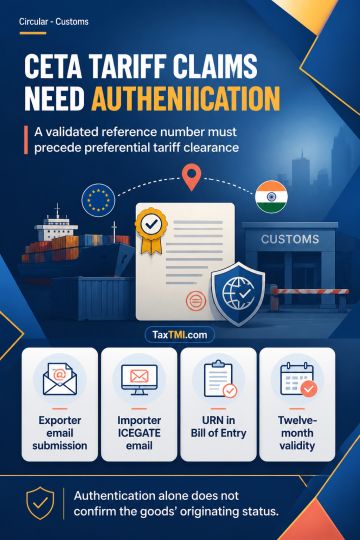
Origin Declaration authentication governs preferential tariff claims under India-UK CETA, requiring a validated reference number before import clearan...
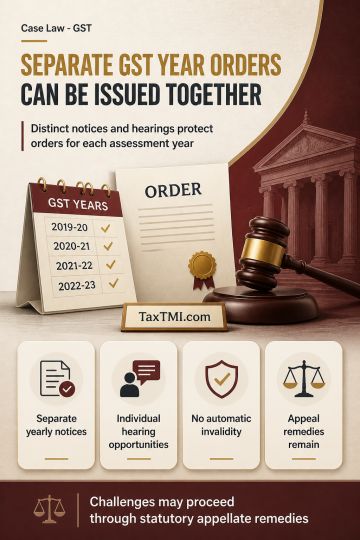
Separate assessment orders for different years remain valid when distinct notices and hearing opportunities prevent prejudice from combined proceeding...
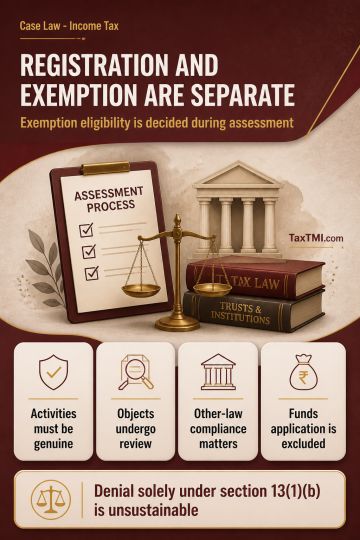
Defined public benefit can retain charitable character; registration renewal requires examining genuine activities and legal compliance, not surplus a...
Capital reduction is distinct from share buy-back, preventing buy-back tax; restructuring interest and related business deductions also survive scruti...
Section 141 of the Negotiable Instruments Act extends liability...
Vicarious liability for dishonoured company cheques may extend to non-signatory directors where complaints contain foundational responsibility averments.
Contents
Summary
Note
Bookmark
Share
✓ Copied successfully !
Print
Print Options
For full text, please login
Login to TaxTMI
Verification Pending
The Email Id has not been verified. Click on the link we have sent on
Section 141 of the Negotiable Instruments Act extends liability for dishonoured company cheques beyond the signatory to directors who were in charge of and responsible for the company's business when the offence occurred. At the summoning stage, a Magistrate need only determine whether the complaint and supporting material disclose a prima facie case, not whether conviction is supported. Allegations that directors controlled company affairs, together with the petitioner's directorship during relevant transactions, were treated as sufficient foundational averments for trial. Questions concerning actual managerial involvement and non-participation require evidence before the Trial Court. The challenge to the summoning orders and cheque-dishonour proceedings was rejected.
Section 141 of the Negotiable Instruments Act extends liability for dishonoured company cheques beyond the signatory to directors who were in charge of and responsible for the company's business when the offence occurred. At the summoning stage, a Magistrate need only determine whether the complaint and supporting material disclose a prima facie case, not whether conviction is supported. Allegations that directors controlled company affairs, together with the petitioner's directorship during relevant transactions, were treated as sufficient foundational averments for trial. Questions concerning actual managerial involvement and non-participation require evidence before the Trial Court. The challenge to the summoning orders and cheque-dishonour proceedings was rejected.
Note: It is a system-generated summary and is for quick reference only.
 TaxTMI
 of 4805












 Join Channel


 TaxTMI
