Transfer pricing and tax deductions upheld on established principles, while employee contributions and warranty provisions returned for fresh examinat...
Captive transfer pricing relies on industrial consumer tariffs, while genuine quotations can benchmark effluent treatment transfers under the Other Me...
Specific tariff classification for ophthalmic instruments and extended limitation principles determine the treatment of duty demands, confiscation, an...
Integrated golf function determines classification, placing launch monitors and simulators under other golf equipment rather than measuring instrument...
Public servant status under anti-corruption law extends to recognised stock exchange leadership; constitutional and sanction challenges do not succeed...
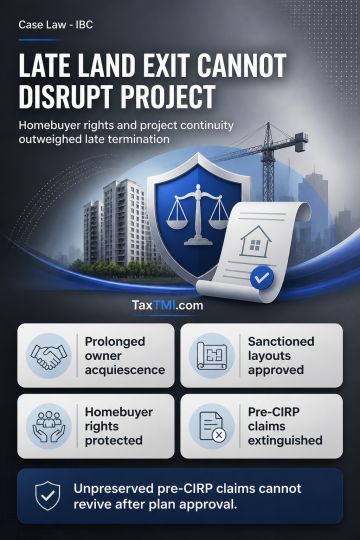
Acquiescence, homebuyer protection and clean-slate resolution principles prevent landowners from disrupting an integrated project through late termina...
Leave to appeal was unnecessary because the appellants had applied for intervention and were parties to the order rejecting those applications; the rule requiring strangers to obtain leave did not apply. Their appeals were therefore maintainable without leave. Intervention in the already disposed writ petitions was nevertheless unavailable: erstwhile directors showed only apprehensions, not a tangible subsisting right making them necessary or proper parties in proceedings concerning defreezing of company bank accounts. Pending disputes did not justify intervention or recall, and final disposal rendered the writ court functus officio, precluding further revisiting of the writ petitions. The intervention rejections and dismissal of the intra-court appeals were sustained, without barring appropriate independent remedies against the final writ order.
Leave to appeal was unnecessary because the appellants had applied for intervention and were parties to the order rejecting those applications; the rule requiring strangers to obtain leave did not apply. Their appeals were therefore maintainable without leave. Intervention in the already disposed writ petitions was nevertheless unavailable: erstwhile directors showed only apprehensions, not a tangible subsisting right making them necessary or proper parties in proceedings concerning defreezing of company bank accounts. Pending disputes did not justify intervention or recall, and final disposal rendered the writ court functus officio, precluding further revisiting of the writ petitions. The intervention rejections and dismissal of the intra-court appeals were sustained, without barring appropriate independent remedies against the final writ order.
Note: It is a system-generated summary and is for quick reference only.
 TaxTMI
 of 4803















 Join Channel



 TaxTMI