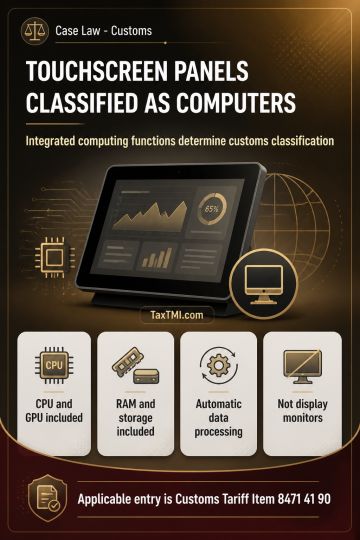
Interactive touchscreen panels with integrated computing functions fall under automatic data-processing machines rather than display monitors for cust...
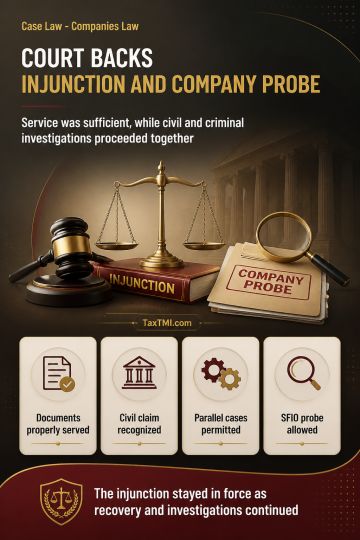
Ex parte injunction service requirements were substantially met, while civil recovery and SFIO investigation into provident fund defalcation continued...
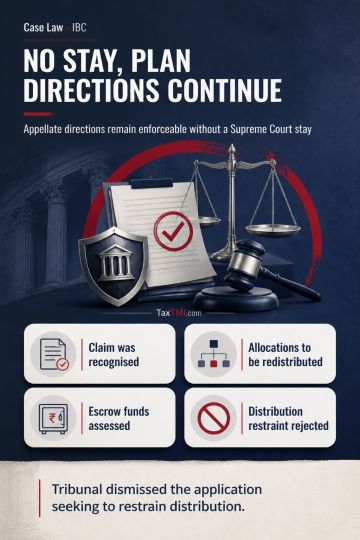
Enforcement of resolution-plan directions continues without a Supreme Court stay, preventing suspension of redistribution and escrowed-fund distributi...
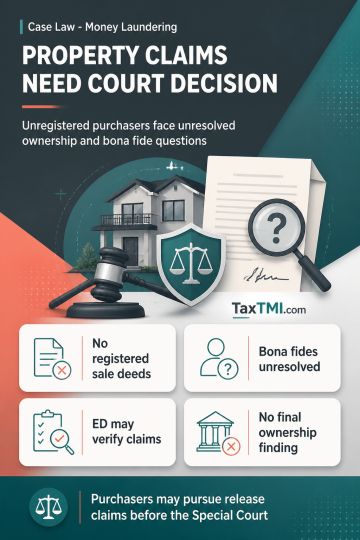
Third-party ownership claims over attached property require Special Court adjudication where purchasers lack registered sale deeds and bona fides rema...
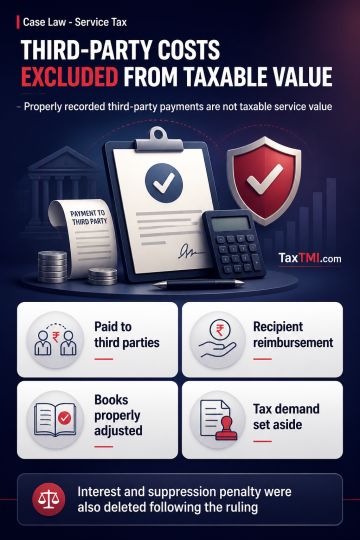
Pure-agent reimbursements in clearing and forwarding services are excluded from taxable value when qualifying third-party payments are properly record...
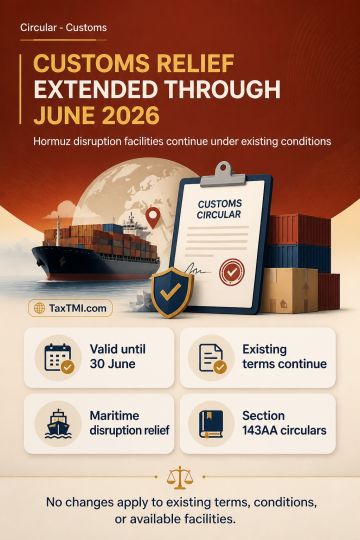
Customs relief for Strait of Hormuz maritime disruptions remains available, with existing conditions continuing unchanged through the extended validit...
Floating-rig services are classifiable as Supply of Tangible Goods Service, taxable only from 16 May 2008, rather than Mining Service. Service tax collected under the erroneous classification and borne by the service recipient lacked legal authority under Article 265, supporting refund even though the service provider had not challenged its assessment. Statutory refund limitation did not justify retention where payment arose from a mistake of law caused by misclassification. Certificates establishing that the recipient bore the tax burden supported the finding that refund would not result in unjust enrichment. Appellate authorities and the Tribunal could correct the classification error and grant refund without requiring a civil suit or writ petition.
Floating-rig services are classifiable as Supply of Tangible Goods Service, taxable only from 16 May 2008, rather than Mining Service. Service tax collected under the erroneous classification and borne by the service recipient lacked legal authority under Article 265, supporting refund even though the service provider had not challenged its assessment. Statutory refund limitation did not justify retention where payment arose from a mistake of law caused by misclassification. Certificates establishing that the recipient bore the tax burden supported the finding that refund would not result in unjust enrichment. Appellate authorities and the Tribunal could correct the classification error and grant refund without requiring a civil suit or writ petition.
Note: It is a system-generated summary and is for quick reference only.
 TaxTMI
 of 4789






 Join Channel



 TaxTMI