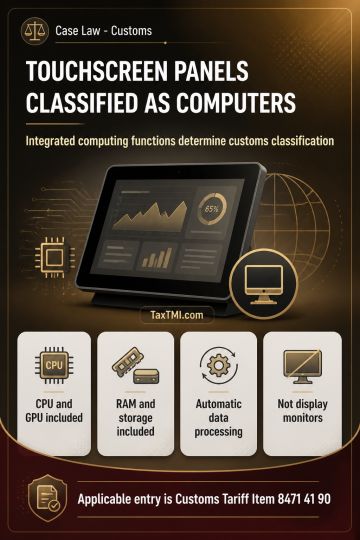
Interactive touchscreen panels with integrated computing functions fall under automatic data-processing machines rather than display monitors for cust...
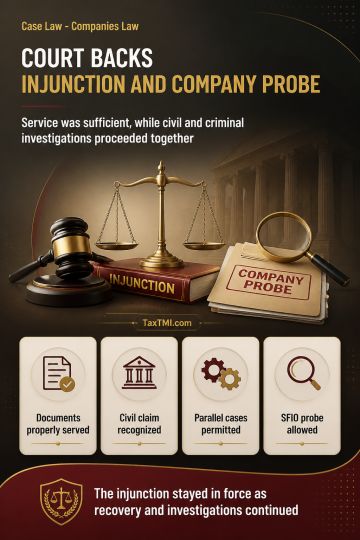
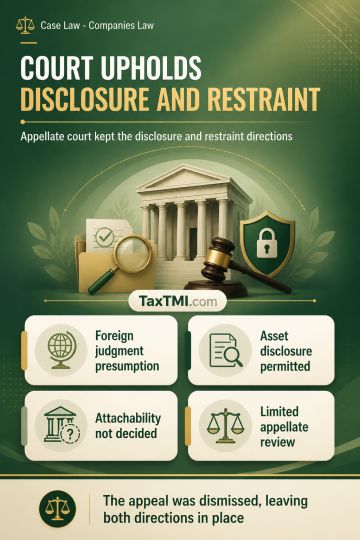
Ex parte injunction service requirements were substantially met, while civil recovery and SFIO investigation into provident fund defalcation continued...
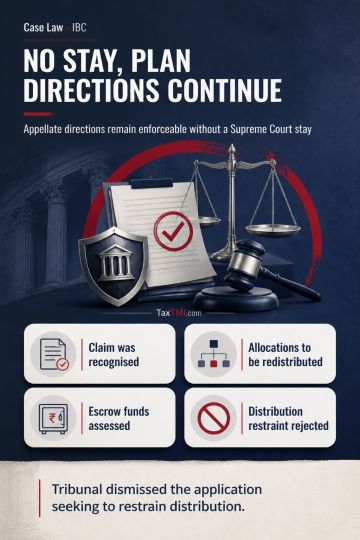
Enforcement of resolution-plan directions continues without a Supreme Court stay, preventing suspension of redistribution and escrowed-fund distributi...
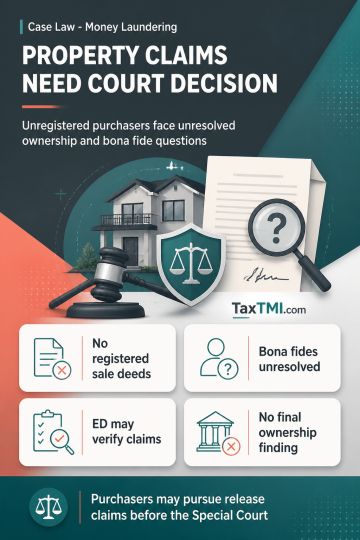
Third-party ownership claims over attached property require Special Court adjudication where purchasers lack registered sale deeds and bona fides rema...
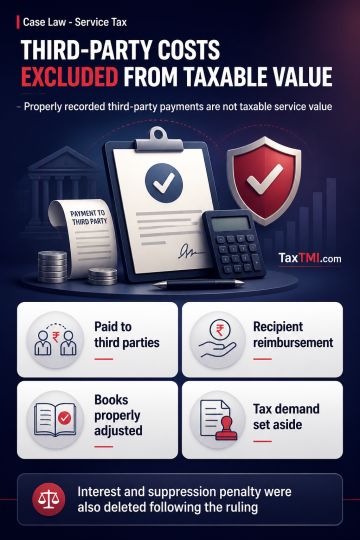
Pure-agent reimbursements in clearing and forwarding services are excluded from taxable value when qualifying third-party payments are properly record...
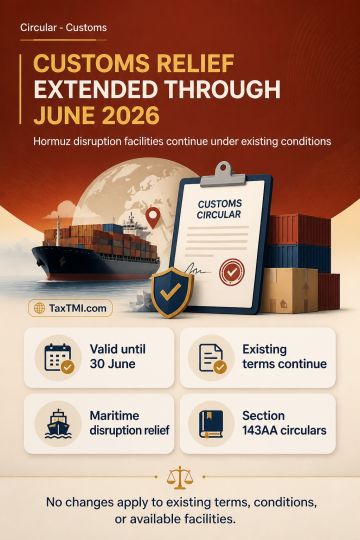
Customs relief for Strait of Hormuz maritime disruptions remains available, with existing conditions continuing unchanged through the extended validit...
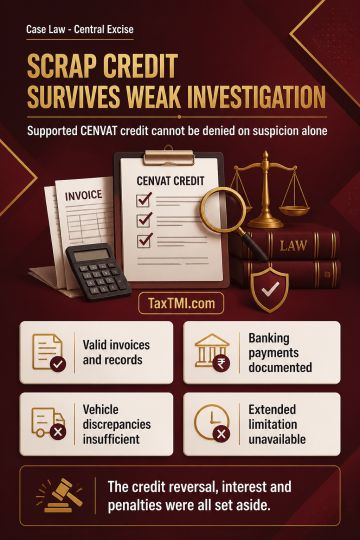
CENVAT credit on MS scrap received under registered dealer invoices was admissible where valid invoices, banking payments, statutory records, transport-service tax and evidence of consumption supported receipt, while manufacture and clearance of finished goods remained undisputed. The Revenue had to prove non-receipt through affirmative evidence and identify an alternative raw-material source; suspicion and incomplete investigation were insufficient. Uncorroborated, contradictory investigation statements could not sustain denial without compliance with Section 9D safeguards. Limited Vahan portal vehicle discrepancies, without examination of vehicle owners or independent evidence, could not establish fictitious transactions. Extended limitation was unavailable because statutory returns and records disclosed the credit and no fraud, collusion, wilful misstatement or suppression with intent to evade duty was proved. Credit reversal, interest and penalties were set aside.
CENVAT credit on MS scrap received under registered dealer invoices was admissible where valid invoices, banking payments, statutory records, transport-service tax and evidence of consumption supported receipt, while manufacture and clearance of finished goods remained undisputed. The Revenue had to prove non-receipt through affirmative evidence and identify an alternative raw-material source; suspicion and incomplete investigation were insufficient. Uncorroborated, contradictory investigation statements could not sustain denial without compliance with Section 9D safeguards. Limited Vahan portal vehicle discrepancies, without examination of vehicle owners or independent evidence, could not establish fictitious transactions. Extended limitation was unavailable because statutory returns and records disclosed the credit and no fraud, collusion, wilful misstatement or suppression with intent to evade duty was proved. Credit reversal, interest and penalties were set aside.
Note: It is a system-generated summary and is for quick reference only.
 TaxTMI
 of 4788



 Join Channel


 TaxTMI