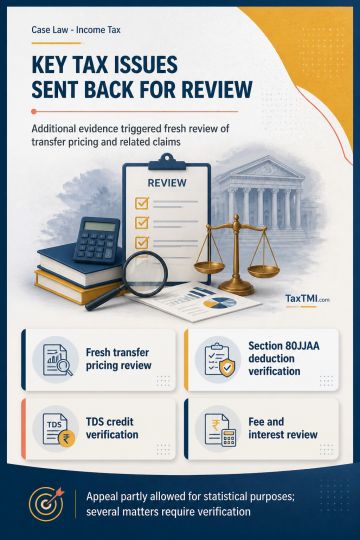
Additional evidence in transfer pricing dispute leads to fresh examination, while tax deductions, TDS credit, fee and refund interest require verifica...
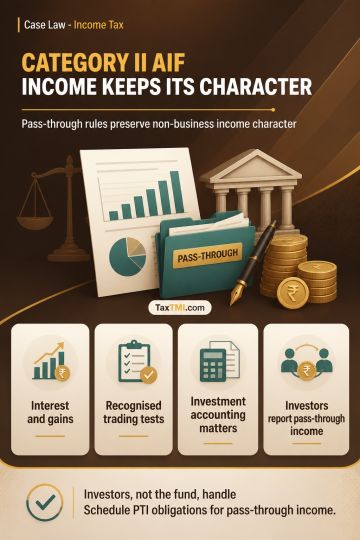
Category II AIF pass-through taxation preserves non-business income character; investment receipts cannot be reclassified without applying recognised ...
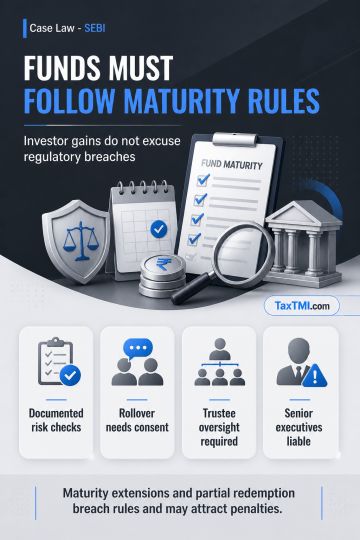
Mutual fund maturity rules require proper rollover, redemption, disclosure, and due diligence; investor gains cannot excuse regulatory breaches or pen...
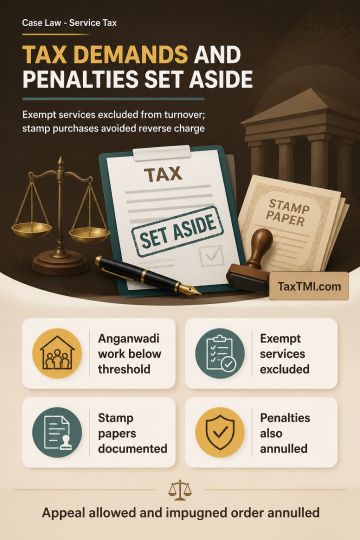
Threshold exemption excludes exempt services, while stamp-paper purchases avoid reverse charge; consequential service tax penalties were also set asid...
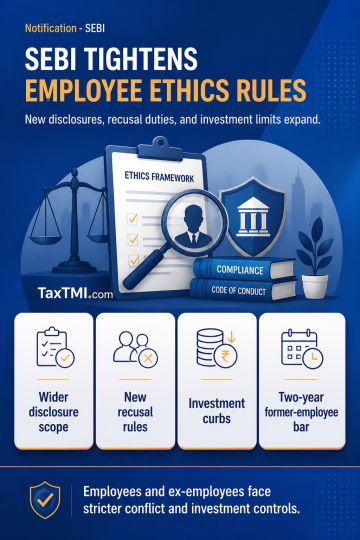
Employee conflict disclosures and investment restrictions expand with new recusal duties, post-employment limits, and compliance reporting requirement...
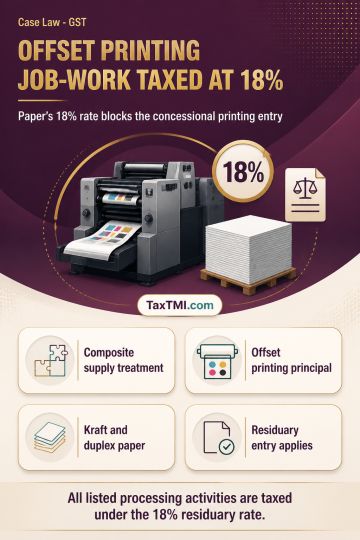
Composite job-work involving cutting, sorting, plate preparation, offset printing, drying, finishing, quality checks, bundling and return of kraft or duplex paper is treated as a composite supply, with offset printing as the principal supply and ancillary activities following its tax treatment. The concessional printing job-work entry for goods under Chapters 48 and 49 applies only where the printed goods attract central tax at 2.5% or nil. As kraft paper and duplex paper attract 18% GST, the concessional entry does not apply; the residuary job-work entry applies, resulting in GST at 18%.
Composite job-work involving cutting, sorting, plate preparation, offset printing, drying, finishing, quality checks, bundling and return of kraft or duplex paper is treated as a composite supply, with offset printing as the principal supply and ancillary activities following its tax treatment. The concessional printing job-work entry for goods under Chapters 48 and 49 applies only where the printed goods attract central tax at 2.5% or nil. As kraft paper and duplex paper attract 18% GST, the concessional entry does not apply; the residuary job-work entry applies, resulting in GST at 18%.
Note: It is a system-generated summary and is for quick reference only.
 TaxTMI
 of 4803







 Join Channel


 TaxTMI
