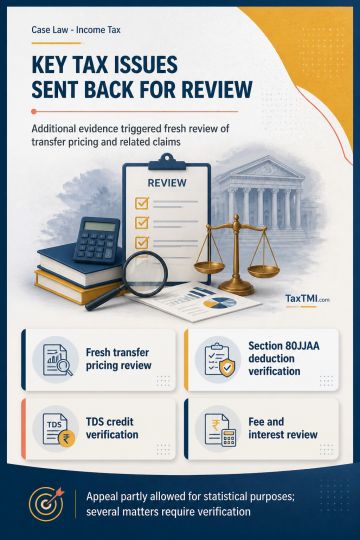
Additional evidence in transfer pricing dispute leads to fresh examination, while tax deductions, TDS credit, fee and refund interest require verifica...
Category II AIF pass-through taxation preserves non-business income character; investment receipts cannot be reclassified without applying recognised ...
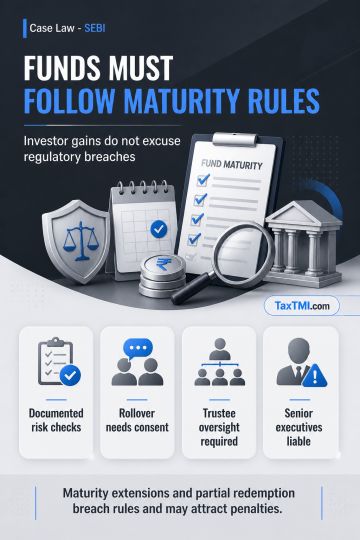
Mutual fund maturity rules require proper rollover, redemption, disclosure, and due diligence; investor gains cannot excuse regulatory breaches or pen...
Threshold exemption excludes exempt services, while stamp-paper purchases avoid reverse charge; consequential service tax penalties were also set asid...
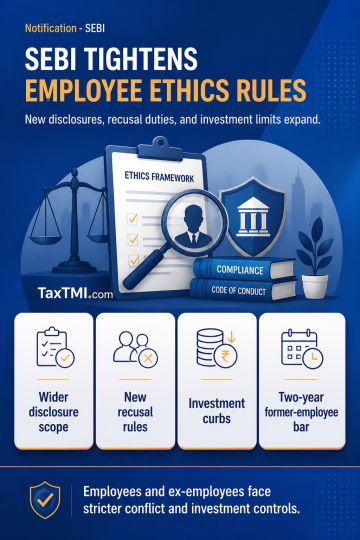
Employee conflict disclosures and investment restrictions expand with new recusal duties, post-employment limits, and compliance reporting requirement...
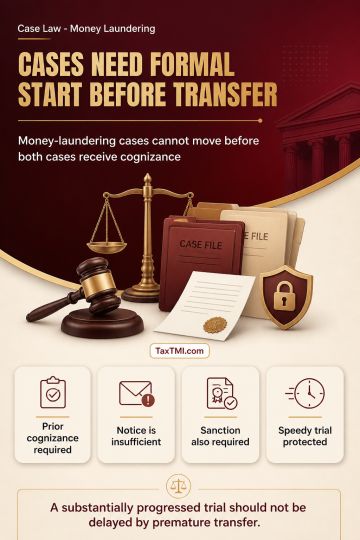
Section 44(1)(c) of the PMLA permits committal of a scheduled-offence case to the Special Court only after both the scheduled offence and the money-laundering complaint have been taken cognizance of by different courts. A pre-cognizance appearance notice under the BNSS does not satisfy that requirement, and absence of the required prosecution sanction further makes a committal request premature. Committal remains discretionary and must serve the interests of justice, including avoiding inconsistent findings without delaying a substantially concluded scheduled-offence trial. Where evidence and final arguments have substantially progressed, transfer to a Special Court dealing with a complaint still at the pre-cognizance stage may prejudice the accused and undermine speedy trial.
Section 44(1)(c) of the PMLA permits committal of a scheduled-offence case to the Special Court only after both the scheduled offence and the money-laundering complaint have been taken cognizance of by different courts. A pre-cognizance appearance notice under the BNSS does not satisfy that requirement, and absence of the required prosecution sanction further makes a committal request premature. Committal remains discretionary and must serve the interests of justice, including avoiding inconsistent findings without delaying a substantially concluded scheduled-offence trial. Where evidence and final arguments have substantially progressed, transfer to a Special Court dealing with a complaint still at the pre-cognizance stage may prejudice the accused and undermine speedy trial.
Note: It is a system-generated summary and is for quick reference only.
 TaxTMI
 of 4803
















 Join Channel


 TaxTMI
