Commercial vehicle depreciation, scientifically determined warranty provisions and exempt-income disallowances were resolved in favour of the taxpayer...
Inherited property sale proceeds require capital-gains treatment where ownership is supported by evidence, not suspicion or unverified signature doubt...
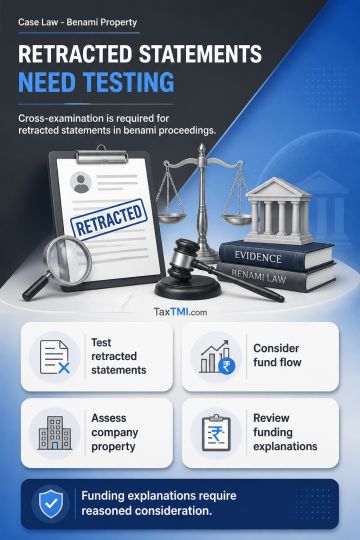
Cross-examination of retracted statements is essential where foundational evidence supports a benami allegation and documented funding explanations re...
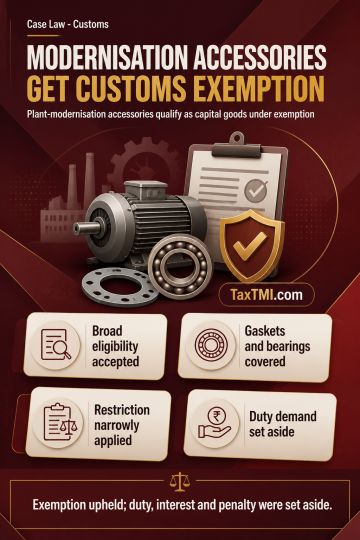
Capital-goods exemption covers plant-modernisation accessories, while the import restriction applies only to earlier capital-goods components and spar...
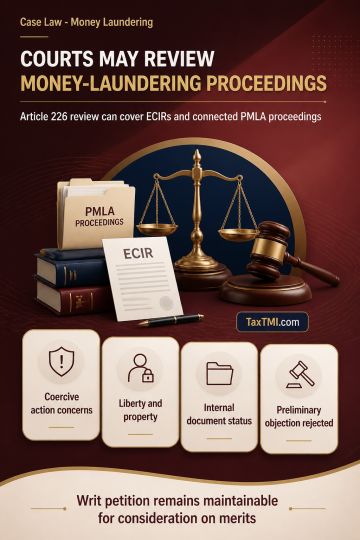
Constitutional judicial review permits challenges to ECIRs and connected money-laundering proceedings where coercive action affects fundamental intere...
A uniform, technology-driven procedure governs clearance of...
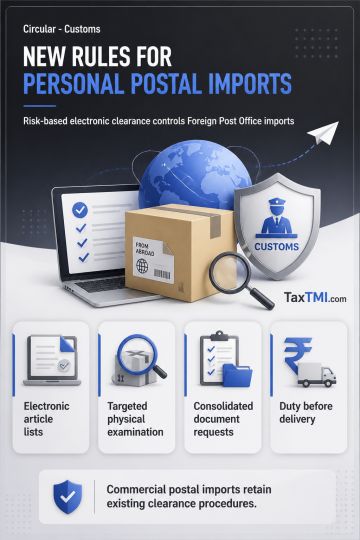
Risk-based postal import clearance standardises electronic assessment, document requests, duty realisation and delivery controls at Foreign Post Offices.
Contents
Summary
Note
Bookmark
Share
✓ Copied successfully !
Print
Print Options
For full text, please login
Login to TaxTMI
Verification Pending
The Email Id has not been verified. Click on the link we have sent on
A uniform, technology-driven procedure governs clearance of personal imported goods through Foreign Post Offices under the Postal Import Regulations, 2025. Postal authorities must electronically present article lists and goods on arrival; customs assessment is risk-based through the FPO Import Application and Risk Management System, with physical examination generally limited to selected or intelligence-based cases. Officers may issue specific consolidated electronic document-call letters and, after 30 days without an adequate response, assess using available records under the Customs Act. Clearance is issued electronically after assessment and customs formalities, and postal authorities must not deliver articles before clearance and duty payment or realisation. Commercial postal imports remain subject to the existing procedure.
A uniform, technology-driven procedure governs clearance of personal imported goods through Foreign Post Offices under the Postal Import Regulations, 2025. Postal authorities must electronically present article lists and goods on arrival; customs assessment is risk-based through the FPO Import Application and Risk Management System, with physical examination generally limited to selected or intelligence-based cases. Officers may issue specific consolidated electronic document-call letters and, after 30 days without an adequate response, assess using available records under the Customs Act. Clearance is issued electronically after assessment and customs formalities, and postal authorities must not deliver articles before clearance and duty payment or realisation. Commercial postal imports remain subject to the existing procedure.
Note: It is a system-generated summary and is for quick reference only.
 TaxTMI
 of 4782









 Join Channel


 TaxTMI
