Necessary-party requirements limit impleadment of independent entities, while deferred consideration does not create an appealable adverse determinati...
Food supplement classification requires common parlance and authoritative tests, preventing treatment as proprietary Ayurvedic medicines without suppo...
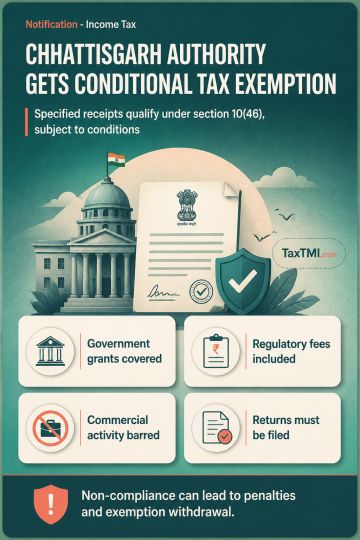
Specified regulatory authority income receives conditional tax exemption, subject to non-commercial activity, unchanged income character, and return f...
Tax exemption for regulatory authority income applies retrospectively, subject to non-commercial activity, unchanged income sources, and return-filing...
Input tax credit conditions remain constitutionally valid, with eligible recipient claims considered under GST circulars and retrospective filing dead...
Retrospective taxation through a purportedly clarificatory amendment cannot create a fresh charge or withdraw benefits accrued under the unamended law. The Finance Act, 2010 amendment to section 9, which dispensed with the requirement that technical services be rendered in India, was treated as substantive and applied prospectively despite its stated retrospective date. The notes also state that beneficial Board circulars could be withdrawn only prospectively. Where domestic law and the India-USA DTAA permitted competing interpretations, the interpretation favourable to the assessee prevailed; technical-service income required rendition and utilisation of services in India. The amendment therefore could not impose tax on offshore technical services retrospectively.
Retrospective taxation through a purportedly clarificatory amendment cannot create a fresh charge or withdraw benefits accrued under the unamended law. The Finance Act, 2010 amendment to section 9, which dispensed with the requirement that technical services be rendered in India, was treated as substantive and applied prospectively despite its stated retrospective date. The notes also state that beneficial Board circulars could be withdrawn only prospectively. Where domestic law and the India-USA DTAA permitted competing interpretations, the interpretation favourable to the assessee prevailed; technical-service income required rendition and utilisation of services in India. The amendment therefore could not impose tax on offshore technical services retrospectively.
Note: It is a system-generated summary and is for quick reference only.
 TaxTMI
 of 4792



















 Join Channel



 TaxTMI