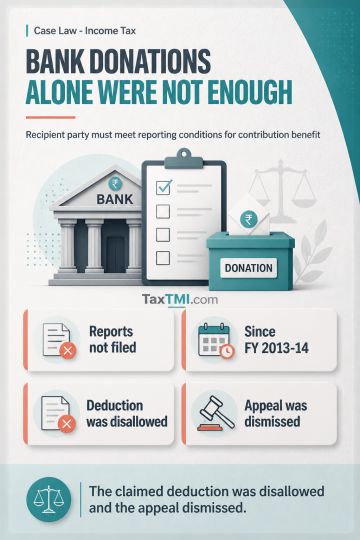
Political contribution deductions require recipient party compliance with contribution-reporting conditions; banking-channel donations alone do not qu...
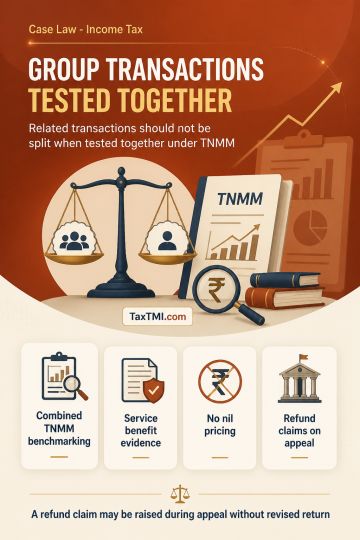
Aggregation under TNMM prevents selective testing of intra-group services without comparable uncontrolled transactions, while appellate additional cla...
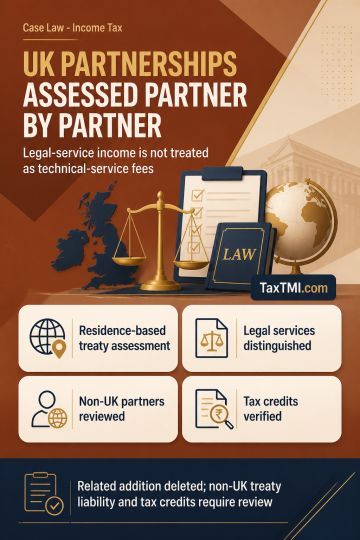
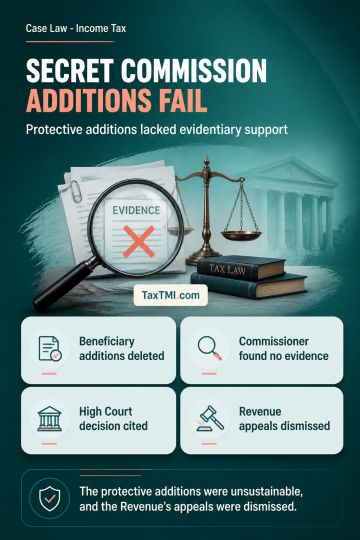
Protective assessment cannot duplicate identical receipts under competing characterisations; remote services did not establish a taxable permanent est...
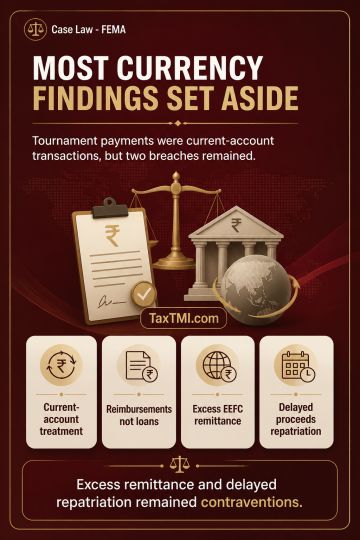
Current account treatment of overseas tournament services removed most FEMA findings, but excess EEFC remittance and delayed repatriation remained bre...
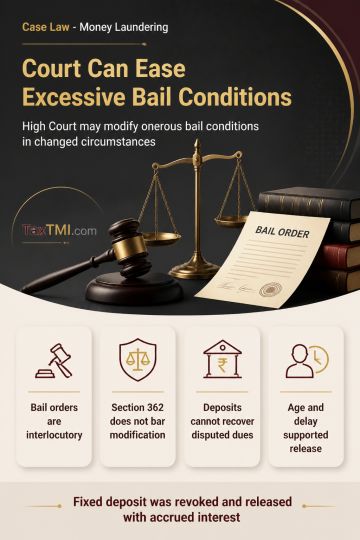
Modification of bail conditions remains available through inherent jurisdiction where onerous deposits undermine justice and cannot recover disputed d...
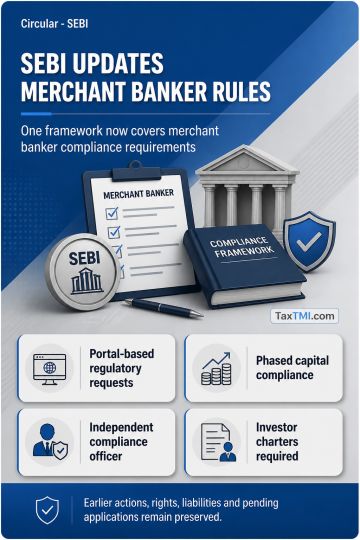
Merchant banker regulation consolidates registration, governance, capital, reporting, outsourcing and investor-protection requirements under an update...
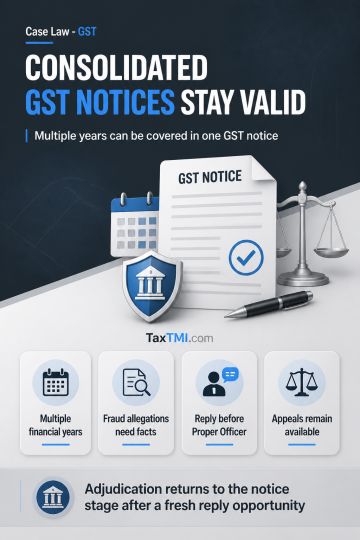
A consolidated demand-cum-show cause notice covering multiple financial years is not barred under the CGST Act, whether issued under the ordinary demand provision or the provision concerning fraud, wilful misstatement or suppression. The article notes that the selection of the latter provision depends on factual findings about conduct intended to evade tax and ordinarily cannot be decided in writ proceedings at the notice stage; affected persons must respond before the Proper Officer and use statutory appellate remedies. Where a fresh reply opportunity is granted, adjudication is restored to the notice stage, with the court-directed period excluded when calculating the time available for adjudication.
A consolidated demand-cum-show cause notice covering multiple financial years is not barred under the CGST Act, whether issued under the ordinary demand provision or the provision concerning fraud, wilful misstatement or suppression. The article notes that the selection of the latter provision depends on factual findings about conduct intended to evade tax and ordinarily cannot be decided in writ proceedings at the notice stage; affected persons must respond before the Proper Officer and use statutory appellate remedies. Where a fresh reply opportunity is granted, adjudication is restored to the notice stage, with the court-directed period excluded when calculating the time available for adjudication.
Note: It is a system-generated summary and is for quick reference only.
 TaxTMI
 of 4782









 Join Channel


 TaxTMI