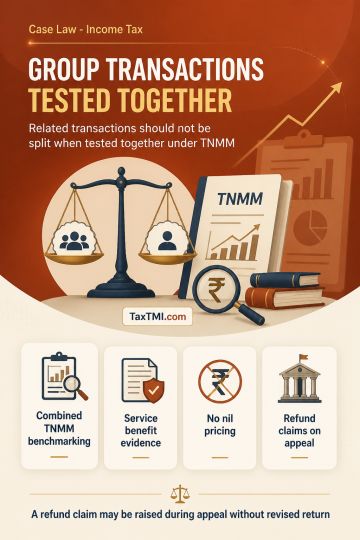
Aggregation under TNMM prevents selective testing of intra-group services without comparable uncontrolled transactions, while appellate additional cla...
Protective assessment cannot duplicate identical receipts under competing characterisations; remote services did not establish a taxable permanent est...
Current account treatment of overseas tournament services removed most FEMA findings, but excess EEFC remittance and delayed repatriation remained bre...
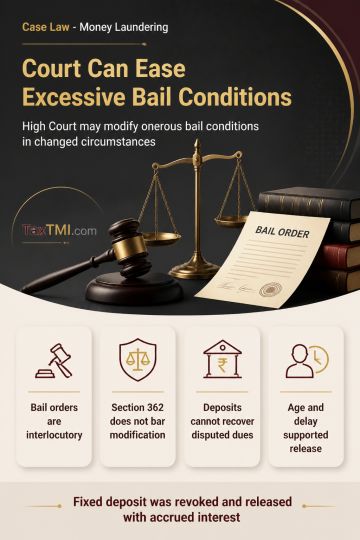
Modification of bail conditions remains available through inherent jurisdiction where onerous deposits undermine justice and cannot recover disputed d...
Merchant banker regulation consolidates registration, governance, capital, reporting, outsourcing and investor-protection requirements under an update...
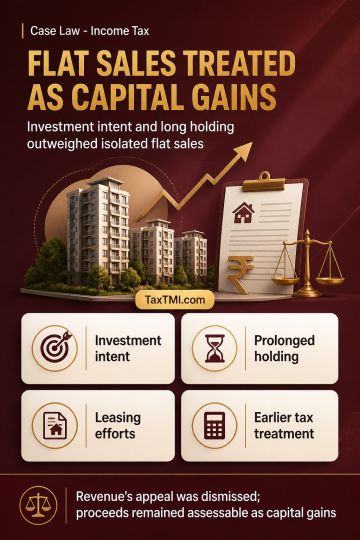
Characterisation of flat-sale proceeds depends primarily on the taxpayer's intention, determined from the totality of circumstances, including the stated objects, consistent investment treatment, period of holding, leasing efforts, absence of other projects, and lack of regular trading activity. Although book treatment is not conclusive, it is relevant. Sales over different years after unsuccessful efforts to obtain tenants did not amount to an adventure in the nature of trade. Where the Revenue had accepted capital-gains treatment in earlier years and no distinguishing facts or incriminating material existed, consistency required the same treatment. The proceeds were therefore assessable as capital gains rather than business income, and the Revenue's appeal was dismissed.
Characterisation of flat-sale proceeds depends primarily on the taxpayer's intention, determined from the totality of circumstances, including the stated objects, consistent investment treatment, period of holding, leasing efforts, absence of other projects, and lack of regular trading activity. Although book treatment is not conclusive, it is relevant. Sales over different years after unsuccessful efforts to obtain tenants did not amount to an adventure in the nature of trade. Where the Revenue had accepted capital-gains treatment in earlier years and no distinguishing facts or incriminating material existed, consistency required the same treatment. The proceeds were therefore assessable as capital gains rather than business income, and the Revenue's appeal was dismissed.
Note: It is a system-generated summary and is for quick reference only.
 TaxTMI
 of 4786













 Join Channel


 TaxTMI