Business expenditure deduction requires proof of genuine commission payments and commercial allowability; turnover growth alone cannot validate the cl...
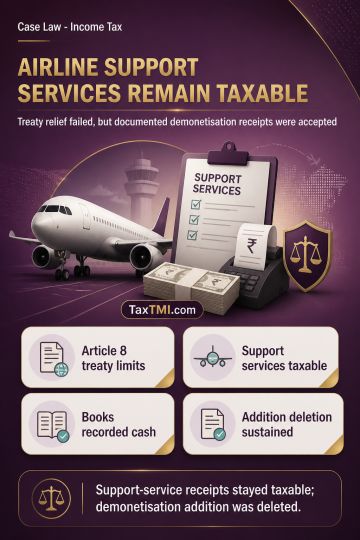
Article 8 treaty coverage excluded third-party airline support services, while documented demonetisation cash receipts remained accepted business inco...
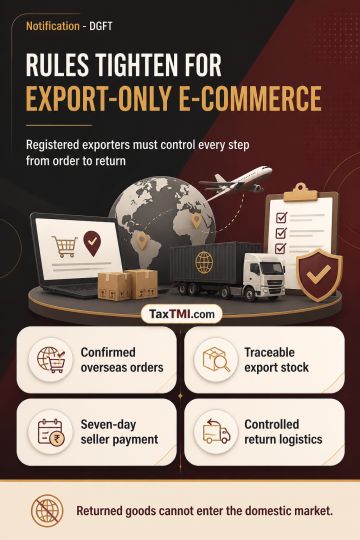
An inventory-based cross-border e-commerce export framework permits eligible non-marketplace e-commerce entities to conduct export-only inventory operations through a registered Exporter-on-Record (EOR), subject to the Foreign Trade Policy and Consolidated FDI Policy. The EOR may procure only Indian-origin goods from registered Sellers-on-Record against confirmed overseas export orders, with no speculative title transfer or inventory build-up. The EOR must segregate and digitally track export inventory, pay sellers within seven days of acceptance, claim and proportionately pass through export rebates and refunds after any administrative charge, and manage reverse logistics. Returned goods cannot enter the domestic market, and EORs should use notified export hubs where practicable.
An inventory-based cross-border e-commerce export framework permits eligible non-marketplace e-commerce entities to conduct export-only inventory operations through a registered Exporter-on-Record (EOR), subject to the Foreign Trade Policy and Consolidated FDI Policy. The EOR may procure only Indian-origin goods from registered Sellers-on-Record against confirmed overseas export orders, with no speculative title transfer or inventory build-up. The EOR must segregate and digitally track export inventory, pay sellers within seven days of acceptance, claim and proportionately pass through export rebates and refunds after any administrative charge, and manage reverse logistics. Returned goods cannot enter the domestic market, and EORs should use notified export hubs where practicable.
Note: It is a system-generated summary and is for quick reference only.
 TaxTMI
 of 4780











 Join Channel


 TaxTMI