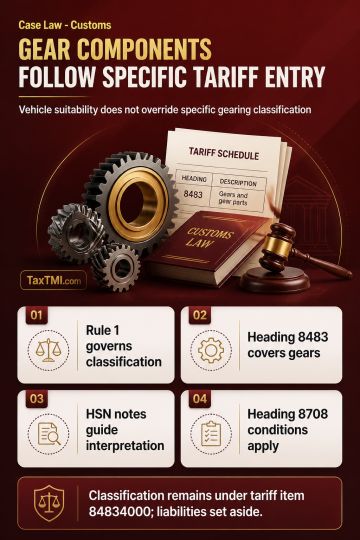
Tariff classification of vehicle gear components follows the specific gearing entry, displacing motor-vehicle parts classification and related liabili...
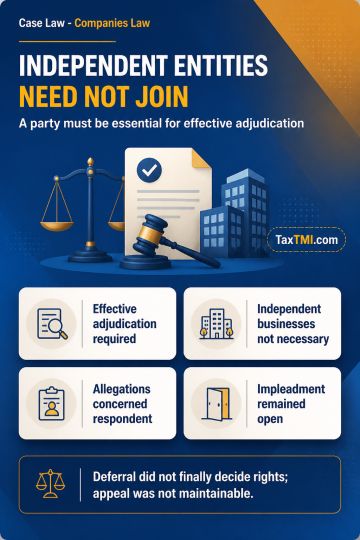
Necessary-party requirements limit impleadment of independent entities, while deferred consideration does not create an appealable adverse determinati...
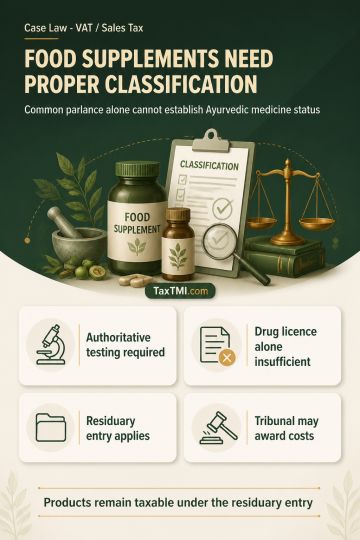
Food supplement classification requires common parlance and authoritative tests, preventing treatment as proprietary Ayurvedic medicines without suppo...
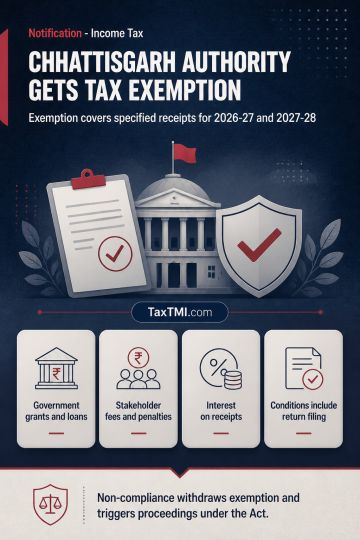
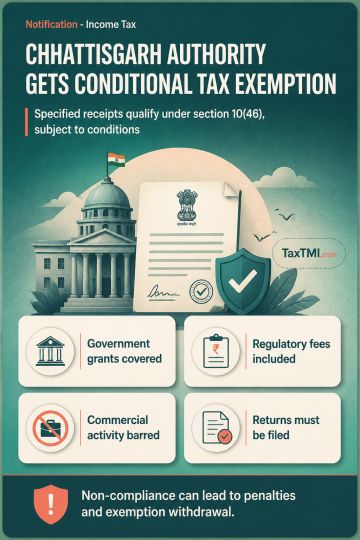
Specified regulatory authority income receives conditional tax exemption, subject to non-commercial activity, unchanged income character, and return f...
Tax exemption for regulatory authority income applies retrospectively, subject to non-commercial activity, unchanged income sources, and return-filing...
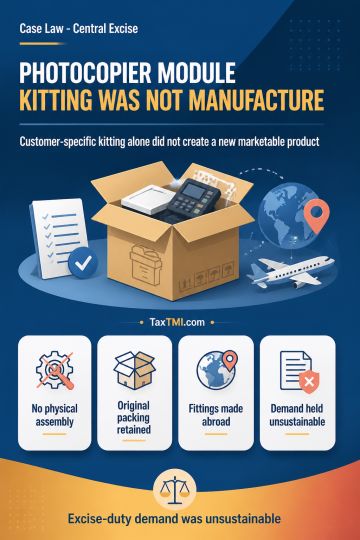
Manufacture for central excise requires transformation into a new, distinct and marketable commodity with a separate name, character and use; labour, skill, expense or value addition alone does not suffice. Kitting imported photocopier modules by unpacking and placing them into customer-specific sets was not manufacture where the components remained in original packing, no physical assembly occurred at the warehouse, and relevant fittings had been made abroad. Note 6 to Section XVI could not deem manufacture because the modules were imported and assessed as complete machines, with no subsequent conversion of incomplete goods into complete articles. Rule 2(a) governs classification only and does not determine manufacture. The excise-duty demand was unsustainable.
Manufacture for central excise requires transformation into a new, distinct and marketable commodity with a separate name, character and use; labour, skill, expense or value addition alone does not suffice. Kitting imported photocopier modules by unpacking and placing them into customer-specific sets was not manufacture where the components remained in original packing, no physical assembly occurred at the warehouse, and relevant fittings had been made abroad. Note 6 to Section XVI could not deem manufacture because the modules were imported and assessed as complete machines, with no subsequent conversion of incomplete goods into complete articles. Rule 2(a) governs classification only and does not determine manufacture. The excise-duty demand was unsustainable.
Note: It is a system-generated summary and is for quick reference only.
 TaxTMI
 of 4782






 Join Channel


 TaxTMI
