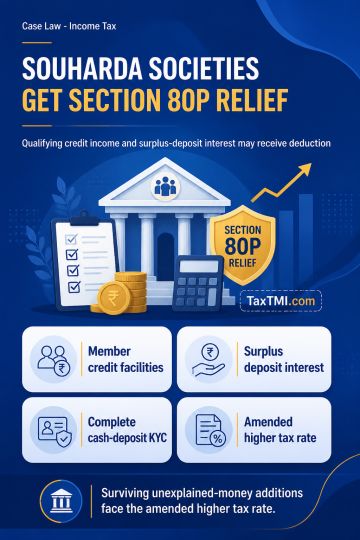
Section 80P deduction covers Souharda credit societies, including qualifying surplus-deposit interest, subject to member KYC verification for cash dep...
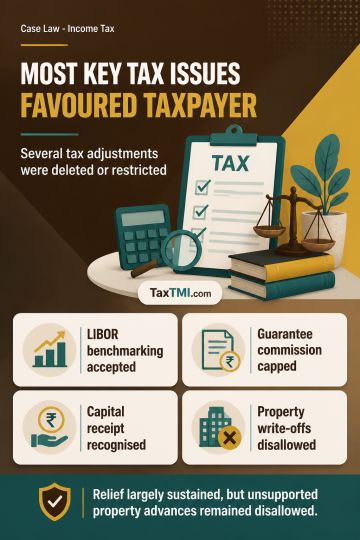
Transfer-pricing benchmarking and capital-receipt principles sustained taxpayer relief, while unsupported property-advance write-offs remained disallo...
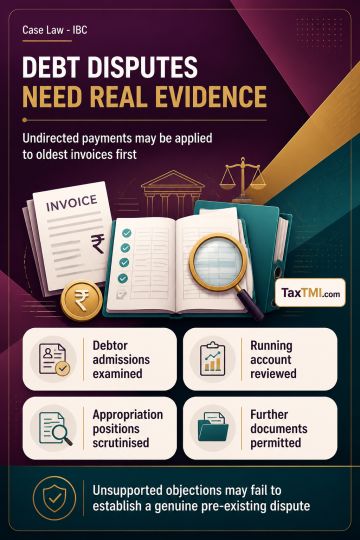
Pre-existing operational debt disputes require genuine evidence, while undirected running-account payments may be appropriated on a first-in-first-out...
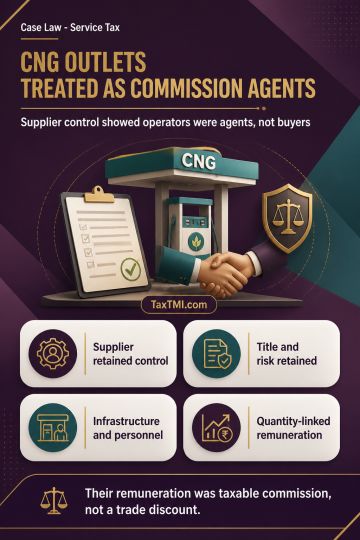
Agency in CNG distribution makes outlet operators commission agents, rendering taxable Business Auxiliary Service rather than purchasing goods for res...
CGST Zones must establish structured coordination with State...
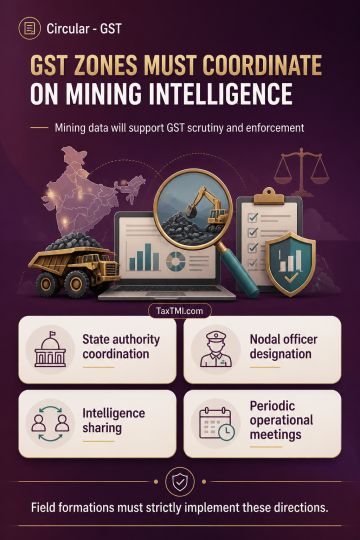
Mining-law intelligence sharing must support GST scrutiny, enforcement action, inter-agency dissemination, and periodic operational coordination across CGST Zones.
Contents
Summary
Note
Bookmark
Share
✓ Copied successfully !
Print
Print Options
For full text, please login
Login to TaxTMI
Verification Pending
The Email Id has not been verified. Click on the link we have sent on
CGST Zones must establish structured coordination with State Mining Authorities to obtain periodic information on illegal mining, mineral transportation, seizures, lease violations and excess extraction. Each Zone must designate a nodal officer, analyse received intelligence for possible suppression of taxable supplies, non-registration, undervaluation, tax short payment, wrongful input tax credit and other GST violations, and initiate action where warranted under the CGST Act and rules. Relevant intelligence must be shared with jurisdictional Commissionerates or DGGI formations, and periodic meetings must review the mechanism and resolve operational issues. Field formations must circulate and strictly implement these directions.
CGST Zones must establish structured coordination with State Mining Authorities to obtain periodic information on illegal mining, mineral transportation, seizures, lease violations and excess extraction. Each Zone must designate a nodal officer, analyse received intelligence for possible suppression of taxable supplies, non-registration, undervaluation, tax short payment, wrongful input tax credit and other GST violations, and initiate action where warranted under the CGST Act and rules. Relevant intelligence must be shared with jurisdictional Commissionerates or DGGI formations, and periodic meetings must review the mechanism and resolve operational issues. Field formations must circulate and strictly implement these directions.
Note: It is a system-generated summary and is for quick reference only.
 TaxTMI
 of 4805






 Join Channel


 TaxTMI