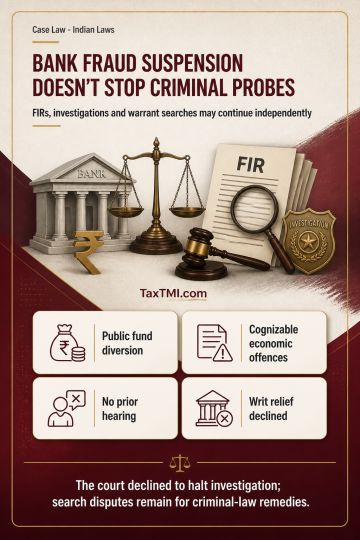
Administrative fraud classification suspension does not halt independent criminal investigation or warrant-based searches into alleged economic offenc...
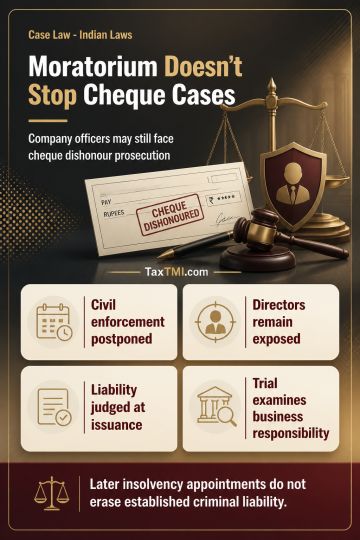
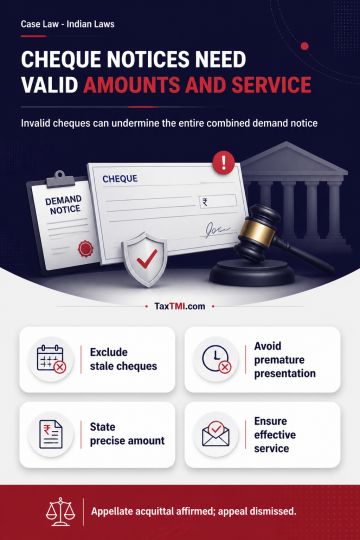
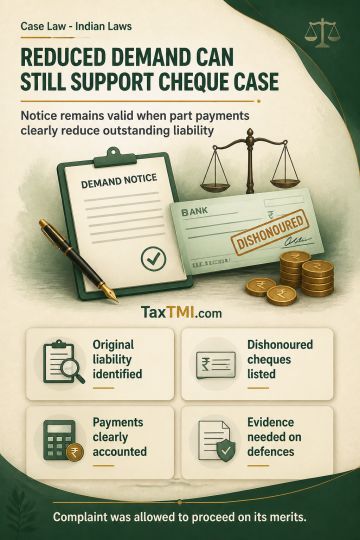
Insolvency moratorium does not shield company officers from cheque dishonour prosecution for liability arising before corporate insolvency proceedings...
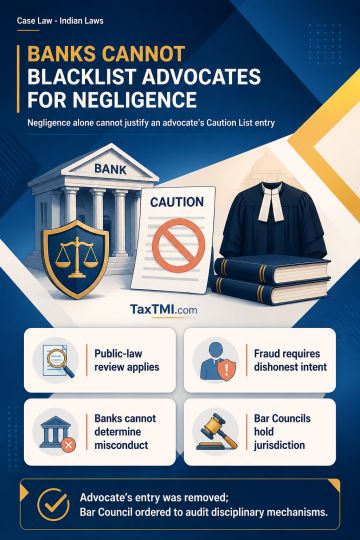
Article 226 scrutiny extends to private bodies performing public functions where their actions have a public law character and affect legally protected rights. A banking-sector Caution List maintained under RBI guidelines could therefore be challenged when it affected an advocate's reputation, engagements and right to practise. Fraud requires dishonest intent or deliberate facilitation; alleged negligence in a title-verification opinion, without fraud, collusion or criminality, cannot justify listing. Statutory disciplinary jurisdiction over advocates' professional conduct rests exclusively with Bar Councils, so banks cannot use the Caution List to determine misconduct. The advocate's entry was removed, and the Bar Council of India was directed to audit disciplinary mechanisms.
Article 226 scrutiny extends to private bodies performing public functions where their actions have a public law character and affect legally protected rights. A banking-sector Caution List maintained under RBI guidelines could therefore be challenged when it affected an advocate's reputation, engagements and right to practise. Fraud requires dishonest intent or deliberate facilitation; alleged negligence in a title-verification opinion, without fraud, collusion or criminality, cannot justify listing. Statutory disciplinary jurisdiction over advocates' professional conduct rests exclusively with Bar Councils, so banks cannot use the Caution List to determine misconduct. The advocate's entry was removed, and the Bar Council of India was directed to audit disciplinary mechanisms.
Note: It is a system-generated summary and is for quick reference only.
 TaxTMI






 Join Channel


 TaxTMI

