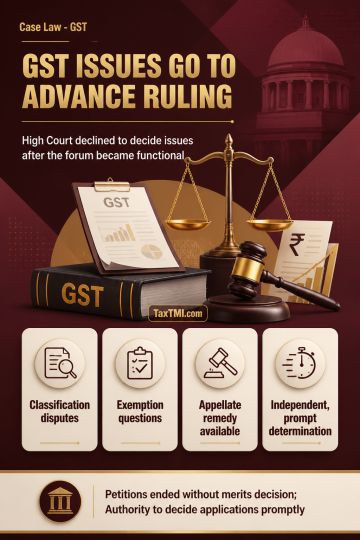
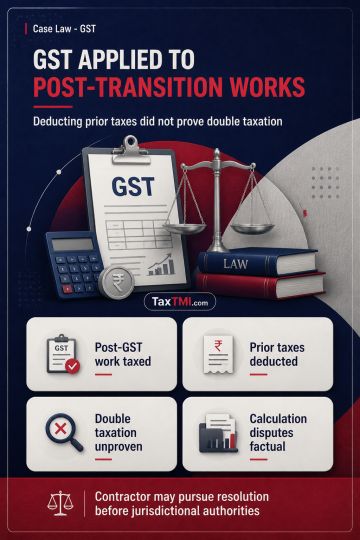
Advance-ruling mechanism governs pending GST classification, exemption and taxability disputes, limiting writ review once the specialised forum functi...
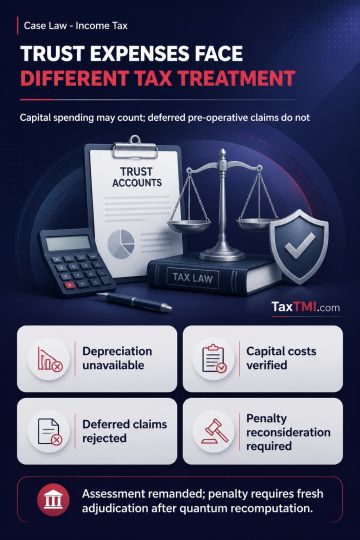
Charitable trust income application permits verified capital expenditure but rejects deferred pre-operative claims and requires reconsideration of con...
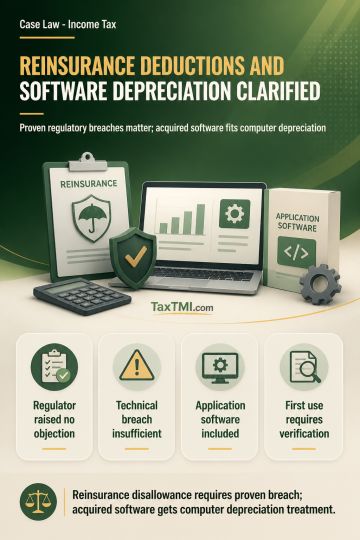
Reinsurance premium deductions require established regulatory breaches, while independently acquired software qualifies within the computer depreciati...
Revisional jurisdiction over concurrent cheque-dishonour convictions is supervisory and does not permit reappreciation of evidence absent patent defect, legal or jurisdictional error, perversity, non-consideration of material evidence, or gross miscarriage of justice. Admitted cheque execution raises presumptions of consideration and legally enforceable debt, requiring the accused to establish a probable defence. A security cheque may be presented on default where liability subsists, and voluntarily signed blank cheques remain enforceable despite completion of particulars by the payee. Cash-loan restrictions may attract penalties without invalidating the underlying debt. Dishonour marked "account closed" falls within Section 138, and compensation is characterised as compensatory and restitutive alongside deterrent punishment.
Revisional jurisdiction over concurrent cheque-dishonour convictions is supervisory and does not permit reappreciation of evidence absent patent defect, legal or jurisdictional error, perversity, non-consideration of material evidence, or gross miscarriage of justice. Admitted cheque execution raises presumptions of consideration and legally enforceable debt, requiring the accused to establish a probable defence. A security cheque may be presented on default where liability subsists, and voluntarily signed blank cheques remain enforceable despite completion of particulars by the payee. Cash-loan restrictions may attract penalties without invalidating the underlying debt. Dishonour marked "account closed" falls within Section 138, and compensation is characterised as compensatory and restitutive alongside deterrent punishment.
Note: It is a system-generated summary and is for quick reference only.
 TaxTMI
 of 4782










 Join Channel



 TaxTMI
