Prolonged sterilisation of development rights supports capital-gains treatment, while business-income disallowances cannot govern capital-gains comput...
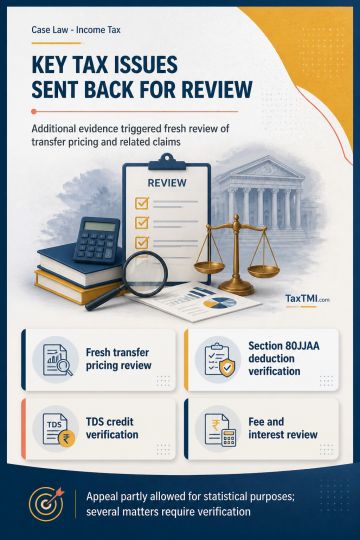
Additional evidence in transfer pricing dispute leads to fresh examination, while tax deductions, TDS credit, fee and refund interest require verifica...
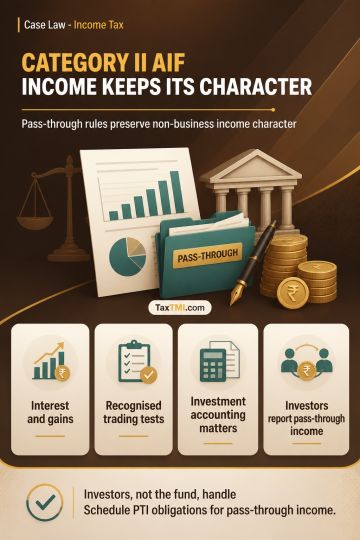
Category II AIF pass-through taxation preserves non-business income character; investment receipts cannot be reclassified without applying recognised ...
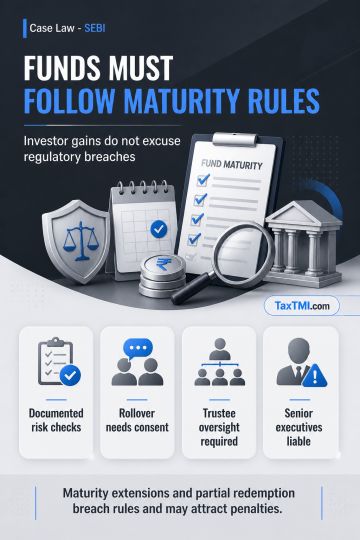
Mutual fund maturity rules require proper rollover, redemption, disclosure, and due diligence; investor gains cannot excuse regulatory breaches or pen...
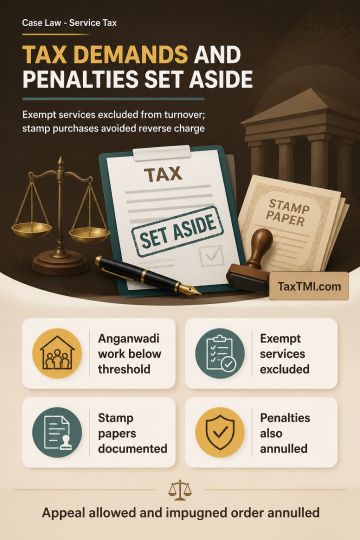
Threshold exemption excludes exempt services, while stamp-paper purchases avoid reverse charge; consequential service tax penalties were also set asid...
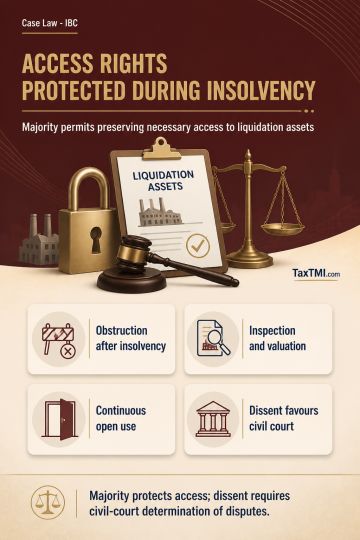
Section 60(5)(c) jurisdiction is examined in relation to a liquidator's request to protect access to a liquidation-estate asset across adjoining third-party land. The majority view treats obstruction arising after commencement of insolvency as sufficiently connected with liquidation where it impairs inspection, valuation and sale, and permits protection of a pre-existing right without creating a new one. It further addresses prescriptive easements, requiring continuous, open and peaceable use for the statutory period; recorded access and satellite imagery are discussed as supporting evidence. The dissent considers a disputed easement, including its route, dimensions and adverse use, unsuitable for summary insolvency jurisdiction and requiring civil-court determination.
Section 60(5)(c) jurisdiction is examined in relation to a liquidator's request to protect access to a liquidation-estate asset across adjoining third-party land. The majority view treats obstruction arising after commencement of insolvency as sufficiently connected with liquidation where it impairs inspection, valuation and sale, and permits protection of a pre-existing right without creating a new one. It further addresses prescriptive easements, requiring continuous, open and peaceable use for the statutory period; recorded access and satellite imagery are discussed as supporting evidence. The dissent considers a disputed easement, including its route, dimensions and adverse use, unsuitable for summary insolvency jurisdiction and requiring civil-court determination.
Note: It is a system-generated summary and is for quick reference only.
 TaxTMI
 of 4788









 Join Channel


 TaxTMI
