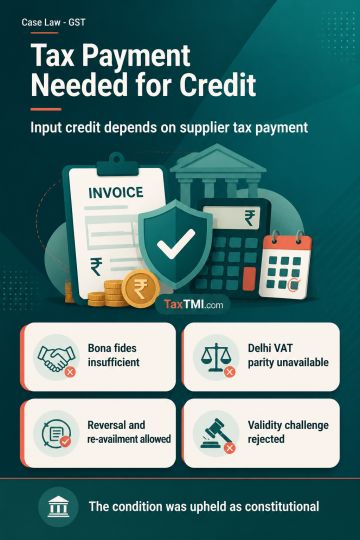
Input tax credit conditions remain constitutionally valid, with eligible recipient claims considered under GST circulars and retrospective filing dead...
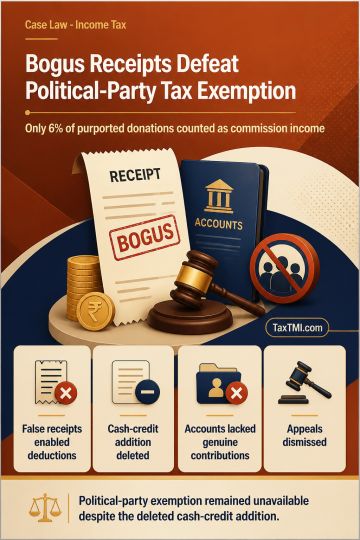
Bogus donation receipts justified commission income assessment and defeated political-party tax exemption for inaccurate accounts and reporting failur...
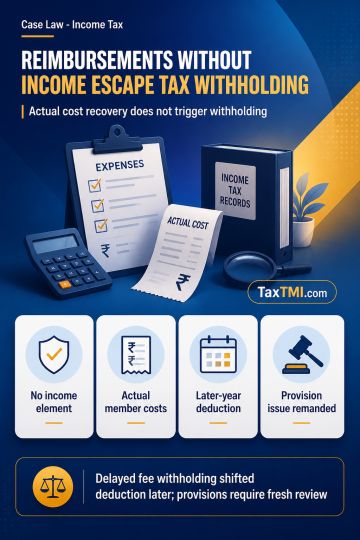
Pure reimbursement without income element escapes tax withholding, while delayed withholding and unsupported provisions face deferred or renewed scrut...
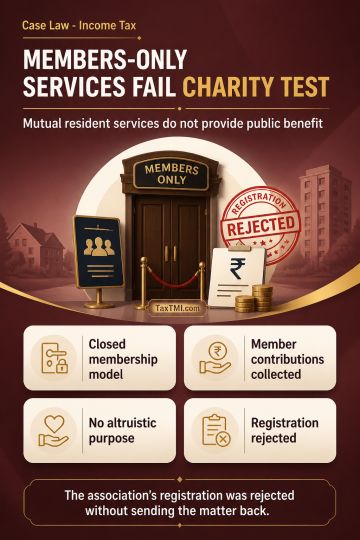
Public benefit requirement defeats charitable registration where residents' association services are reciprocal, member-only facilities governed by mu...
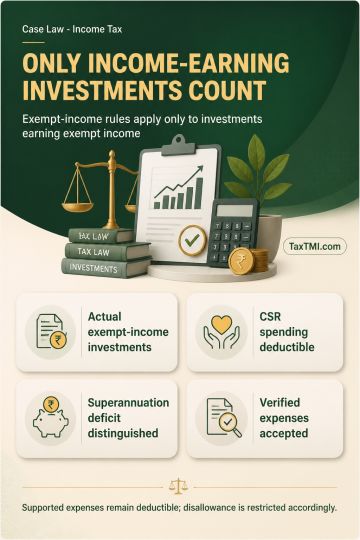
Exempt-income expenditure disallowance is confined to investments that actually generated exempt income, while supported business expenses remain dedu...
Protective assessment cannot be used to tax identical receipts...
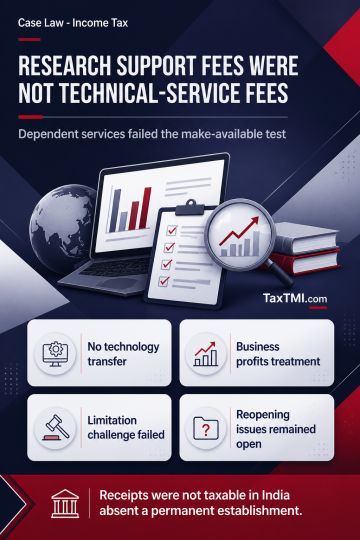
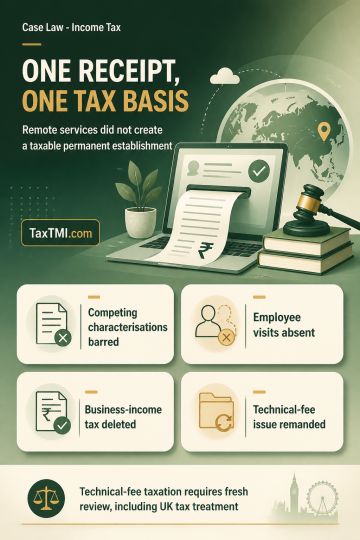
Protective assessment cannot duplicate identical receipts under competing characterisations; remote services did not establish a taxable permanent establishment.
Contents
Summary
Note
Bookmark
Share
✓ Copied successfully !
Print
Print Options
For full text, please login
Login to TaxTMI
Verification Pending
The Email Id has not been verified. Click on the link we have sent on
Protective assessment cannot be used to tax identical receipts in the same taxpayer's hands under alternative characterisations as business income and fees for technical services; the Revenue must adopt one assessment method. The notes state that remotely rendered services, without employee visits to India, did not create a permanent establishment under the India-UK DTAA, so business-income taxation under section 44DA was deleted. For fees for technical services, the post-2020 contractual arrangements require fresh examination of whether the services made technical knowledge or capability available to the Indian recipient; specialised services alone are insufficient. The fees-for-technical-services issue was remanded for verification, including UK tax treatment.
Protective assessment cannot be used to tax identical receipts in the same taxpayer's hands under alternative characterisations as business income and fees for technical services; the Revenue must adopt one assessment method. The notes state that remotely rendered services, without employee visits to India, did not create a permanent establishment under the India-UK DTAA, so business-income taxation under section 44DA was deleted. For fees for technical services, the post-2020 contractual arrangements require fresh examination of whether the services made technical knowledge or capability available to the Indian recipient; specialised services alone are insufficient. The fees-for-technical-services issue was remanded for verification, including UK tax treatment.
Note: It is a system-generated summary and is for quick reference only.
 TaxTMI
 of 4780









 Join Channel


 TaxTMI