Tariff classification of vehicle gear components follows the specific gearing entry, displacing motor-vehicle parts classification and related liabili...
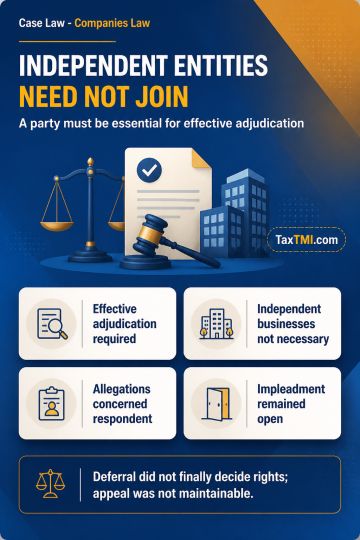
Necessary-party requirements limit impleadment of independent entities, while deferred consideration does not create an appealable adverse determinati...
Food supplement classification requires common parlance and authoritative tests, preventing treatment as proprietary Ayurvedic medicines without suppo...
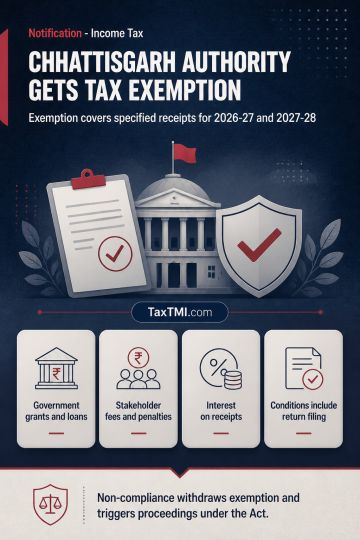
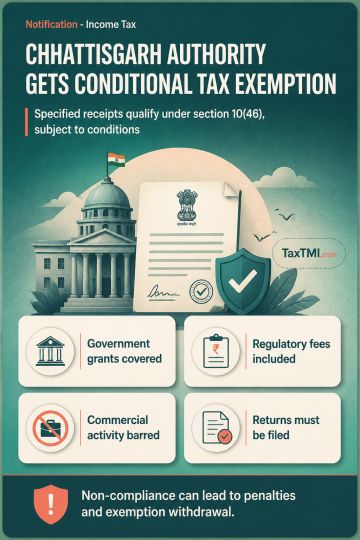
Specified regulatory authority income receives conditional tax exemption, subject to non-commercial activity, unchanged income character, and return f...
Tax exemption for regulatory authority income applies retrospectively, subject to non-commercial activity, unchanged income sources, and return-filing...
Protective assessment cannot be used to tax identical receipts...
Protective assessment cannot duplicate identical receipts under competing characterisations; remote services did not establish a taxable permanent establishment.
Contents
Summary
Note
Bookmark
Share
✓ Copied successfully !
Print
Print Options
For full text, please login
Login to TaxTMI
Verification Pending
The Email Id has not been verified. Click on the link we have sent on
Protective assessment cannot be used to tax identical receipts in the same taxpayer's hands under alternative characterisations as business income and fees for technical services; the Revenue must adopt one assessment method. The notes state that remotely rendered services, without employee visits to India, did not create a permanent establishment under the India-UK DTAA, so business-income taxation under section 44DA was deleted. For fees for technical services, the post-2020 contractual arrangements require fresh examination of whether the services made technical knowledge or capability available to the Indian recipient; specialised services alone are insufficient. The fees-for-technical-services issue was remanded for verification, including UK tax treatment.
Protective assessment cannot be used to tax identical receipts in the same taxpayer's hands under alternative characterisations as business income and fees for technical services; the Revenue must adopt one assessment method. The notes state that remotely rendered services, without employee visits to India, did not create a permanent establishment under the India-UK DTAA, so business-income taxation under section 44DA was deleted. For fees for technical services, the post-2020 contractual arrangements require fresh examination of whether the services made technical knowledge or capability available to the Indian recipient; specialised services alone are insufficient. The fees-for-technical-services issue was remanded for verification, including UK tax treatment.
Note: It is a system-generated summary and is for quick reference only.
 TaxTMI
 of 4780
















 Join Channel



 TaxTMI
