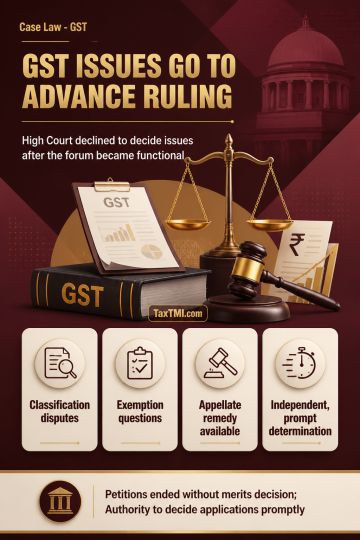
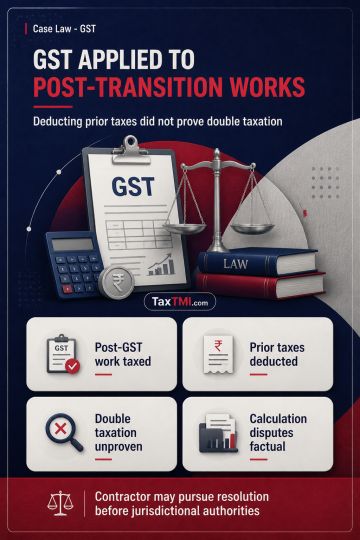
Advance-ruling mechanism governs pending GST classification, exemption and taxability disputes, limiting writ review once the specialised forum functi...
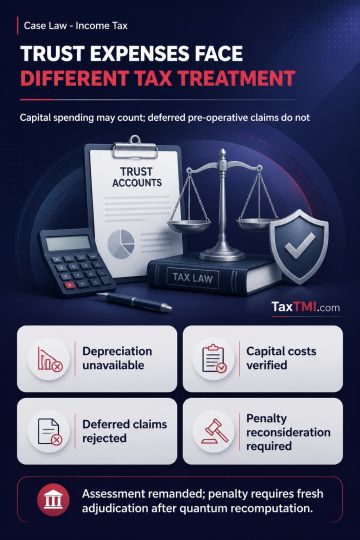
Charitable trust income application permits verified capital expenditure but rejects deferred pre-operative claims and requires reconsideration of con...
Reinsurance premium deductions require established regulatory breaches, while independently acquired software qualifies within the computer depreciati...
Cheque-dishonour complaints may be instituted only by the payee or a holder in due course. The notes explain that the statutory presumption applies to a holder entitled in their own name to possess the cheque and recover its amount. A deceased payee's spouse was neither the named payee nor an endorsed holder, and the complaints disclosed no probate, letters of administration, succession certificate, or other judicial authority permitting recovery, demand, or valid discharge. As process was issued on the incorrect premise that the cheques were issued to the complainant, the statutory bar rendered the complaints not maintainable. The process orders and consequential proceedings were quashed to prevent abuse of process.
Cheque-dishonour complaints may be instituted only by the payee or a holder in due course. The notes explain that the statutory presumption applies to a holder entitled in their own name to possess the cheque and recover its amount. A deceased payee's spouse was neither the named payee nor an endorsed holder, and the complaints disclosed no probate, letters of administration, succession certificate, or other judicial authority permitting recovery, demand, or valid discharge. As process was issued on the incorrect premise that the cheques were issued to the complainant, the statutory bar rendered the complaints not maintainable. The process orders and consequential proceedings were quashed to prevent abuse of process.
Note: It is a system-generated summary and is for quick reference only.
 TaxTMI
 of 4782















 Join Channel



 TaxTMI
