Clean slate principle extinguishes uncrystallised operational claims and bars continuation of pending recovery and arbitral proceedings after plan app...
Works contract classification governs composite layout-development contracts where VAT-paid goods are transferred alongside construction and infrastru...
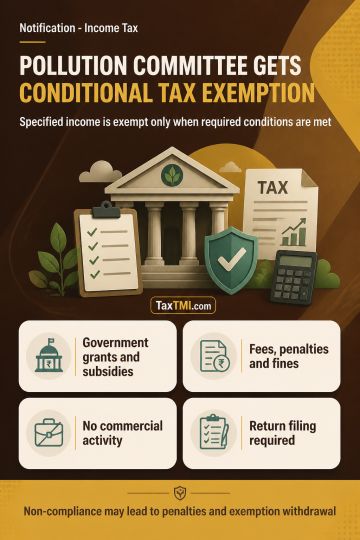
Specified income tax exemption for pollution control body remains conditional on non-commercial activity, unchanged income character, and return filin...
Jurisdictional facts in certificate-of-origin discrepancies can support customs show-cause proceedings, leaving factual explanations for departmental ...
Necessary-party principles in oppression and mismanagement...
Necessary-party requirements limit impleadment of independent entities, while deferred consideration does not create an appealable adverse determination.
Contents
Summary
Note
Bookmark
Share
✓ Copied successfully !
Print
Print Options
For full text, please login
Login to TaxTMI
Verification Pending
The Email Id has not been verified. Click on the link we have sent on
Necessary-party principles in oppression and mismanagement proceedings require impleadment only where an entity's presence is needed for effective adjudication. Independent businesses alleged to have benefited from diversion of company funds or business were not treated as necessary parties merely to support the petitioner's allegations, particularly where the principal allegations concerned an existing respondent. Deferral of the impleadment application for possible consideration at final hearing did not finally determine the dispute or adversely affect rights. The discussion states that an appeal against such deferral is not maintainable, while leaving impleadment open if later required for effective adjudication.
Necessary-party principles in oppression and mismanagement proceedings require impleadment only where an entity's presence is needed for effective adjudication. Independent businesses alleged to have benefited from diversion of company funds or business were not treated as necessary parties merely to support the petitioner's allegations, particularly where the principal allegations concerned an existing respondent. Deferral of the impleadment application for possible consideration at final hearing did not finally determine the dispute or adversely affect rights. The discussion states that an appeal against such deferral is not maintainable, while leaving impleadment open if later required for effective adjudication.
Note: It is a system-generated summary and is for quick reference only.
 TaxTMI
 of 4782















 Join Channel



 TaxTMI