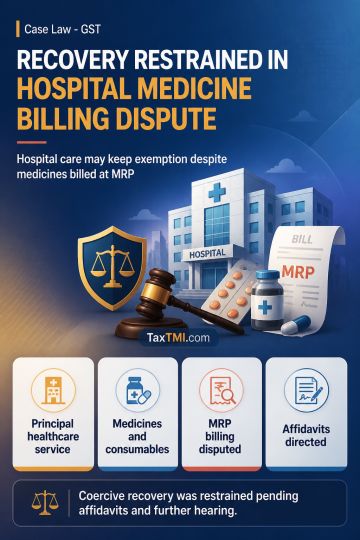
Composite inpatient healthcare supply may retain exemption despite MRP medicine billing, while separate taxable sale characterisation remains disputed...
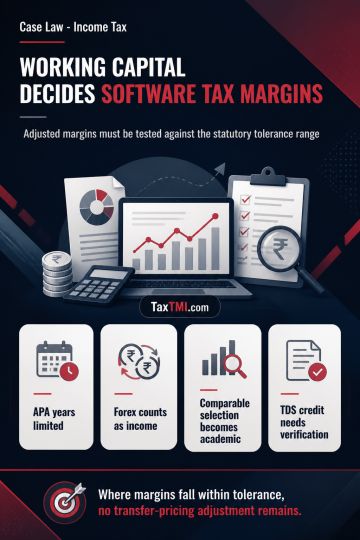
Working-capital adjustment determines whether software-services transfer-pricing margins fall within the statutory tolerance range, eliminating any ad...
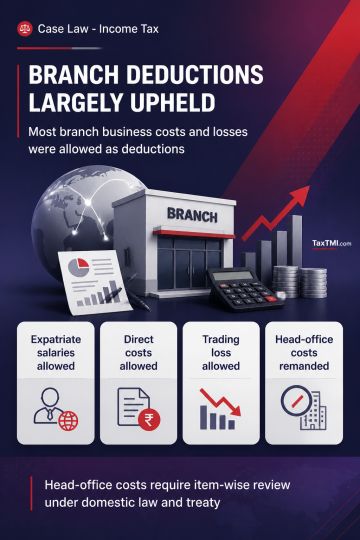
Permanent establishment deductions upheld for expatriate salaries, direct costs and trading losses, while head-office costs require fresh classificati...
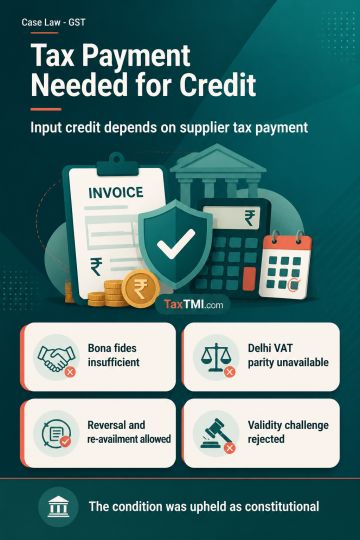
Input Tax Credit under Section 16(2)(c) of the CGST Act remains conditional on the supplier's payment of tax, even where the purchasing dealer asserts bona fides. The text distinguishes the CGST framework from the Delhi VAT regime because CGST provides for reversal and subsequent re-availment of credit after the supplier discharges the tax liability. A purchaser therefore cannot claim parity with a bona fide purchaser under Delhi VAT when its supplier defaults. The condition was upheld as constitutional and not liable to be read down, and the challenge to its validity was rejected.
Input Tax Credit under Section 16(2)(c) of the CGST Act remains conditional on the supplier's payment of tax, even where the purchasing dealer asserts bona fides. The text distinguishes the CGST framework from the Delhi VAT regime because CGST provides for reversal and subsequent re-availment of credit after the supplier discharges the tax liability. A purchaser therefore cannot claim parity with a bona fide purchaser under Delhi VAT when its supplier defaults. The condition was upheld as constitutional and not liable to be read down, and the challenge to its validity was rejected.
Note: It is a system-generated summary and is for quick reference only.
 TaxTMI
 of 4784





 Join Channel


 TaxTMI