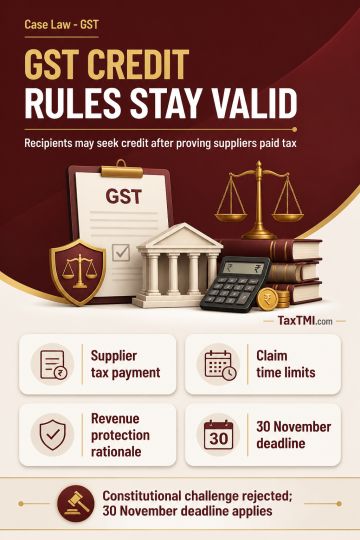
Input tax credit conditions remain constitutionally valid, with eligible recipient claims considered under GST circulars and retrospective filing dead...
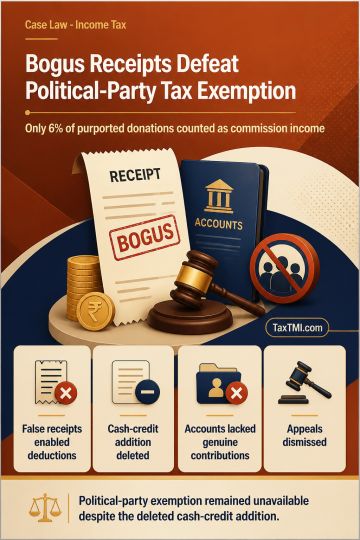
Bogus donation receipts justified commission income assessment and defeated political-party tax exemption for inaccurate accounts and reporting failur...
Pure reimbursement without income element escapes tax withholding, while delayed withholding and unsupported provisions face deferred or renewed scrut...
Public benefit requirement defeats charitable registration where residents' association services are reciprocal, member-only facilities governed by mu...
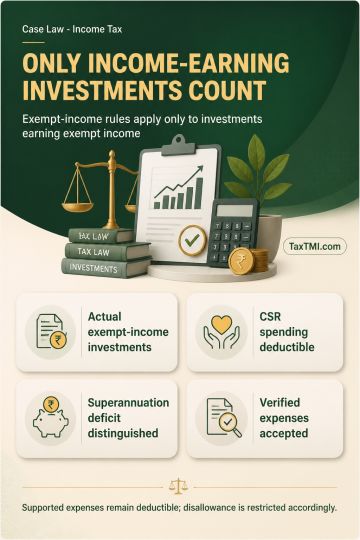
Exempt-income expenditure disallowance is confined to investments that actually generated exempt income, while supported business expenses remain dedu...
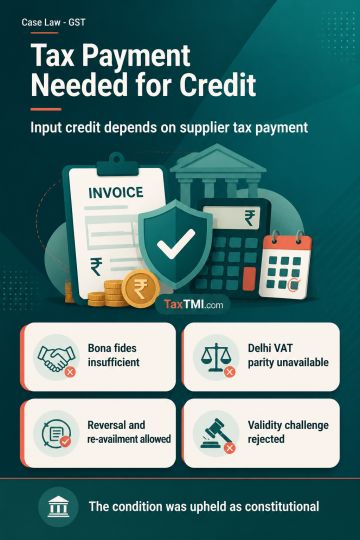
Input Tax Credit under Section 16(2)(c) of the CGST Act remains conditional on the supplier's payment of tax, even where the purchasing dealer asserts bona fides. The text distinguishes the CGST framework from the Delhi VAT regime because CGST provides for reversal and subsequent re-availment of credit after the supplier discharges the tax liability. A purchaser therefore cannot claim parity with a bona fide purchaser under Delhi VAT when its supplier defaults. The condition was upheld as constitutional and not liable to be read down, and the challenge to its validity was rejected.
Input Tax Credit under Section 16(2)(c) of the CGST Act remains conditional on the supplier's payment of tax, even where the purchasing dealer asserts bona fides. The text distinguishes the CGST framework from the Delhi VAT regime because CGST provides for reversal and subsequent re-availment of credit after the supplier discharges the tax liability. A purchaser therefore cannot claim parity with a bona fide purchaser under Delhi VAT when its supplier defaults. The condition was upheld as constitutional and not liable to be read down, and the challenge to its validity was rejected.
Note: It is a system-generated summary and is for quick reference only.
 TaxTMI
 of 4780



 Join Channel


 TaxTMI
