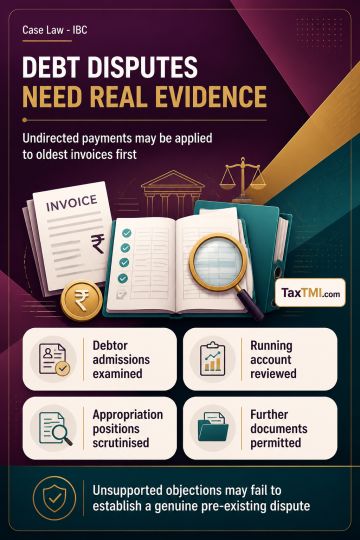
Pre-existing operational debt disputes require genuine evidence, while undirected running-account payments may be appropriated on a first-in-first-out...
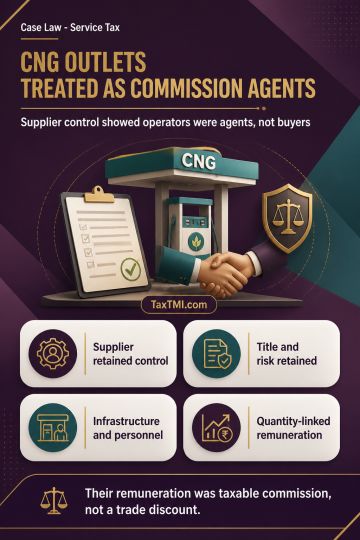
Agency in CNG distribution makes outlet operators commission agents, rendering taxable Business Auxiliary Service rather than purchasing goods for res...
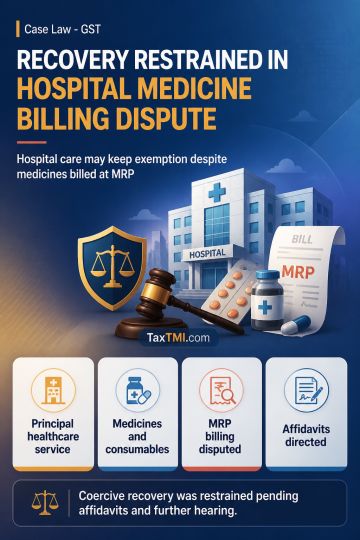
Composite inpatient healthcare supply may retain exemption despite MRP medicine billing, while separate taxable sale characterisation remains disputed...
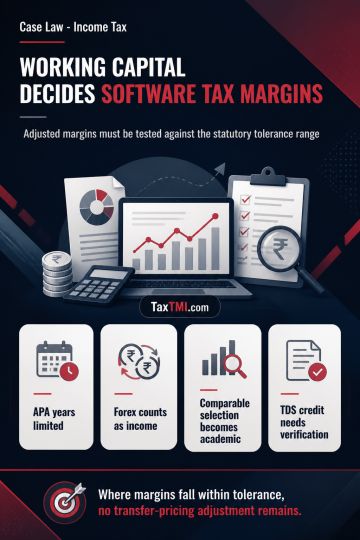
Working-capital adjustment determines whether software-services transfer-pricing margins fall within the statutory tolerance range, eliminating any ad...
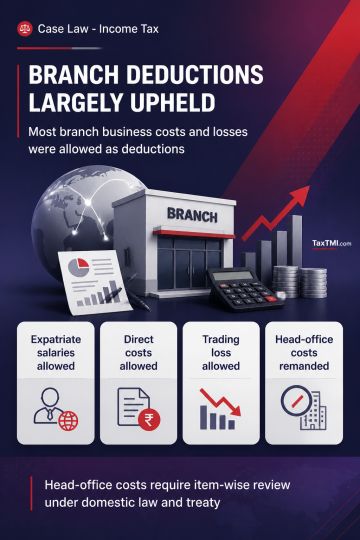
Permanent establishment deductions upheld for expatriate salaries, direct costs and trading losses, while head-office costs require fresh classificati...
Page of 4782
Press 'Enter' after typing page number.
601 to 620 of 95636 Results
❮
❯
❯❯
0 / 200
Expand Note
Add to Folder
No Folders have been created
+
Are you sure you want to delete "My most important" ?
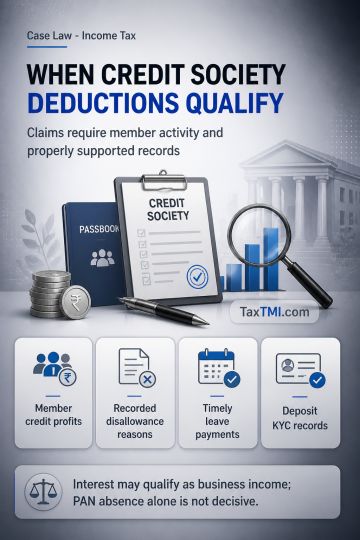
Section 80P deductions for a co-operative credit society are addressed in relation to profits from providing credit facilities to members, interest income attributable to that activity, and any residual deduction where income remains. The notes state that disallowances require recorded reasons and that interest characterised as business income may qualify under section 80P(2)(a)(i), while an alternative claim under section 80P(2)(d) may not arise. Audit-fee provisions require evidence of an accrued, non-contingent liability. Leave-encashment provisions require proof of payment within the prescribed return-filing period. Member deposits require KYC particulars mandated by applicable co-operative law and RBI guidelines; absence of PAN alone is not decisive.
Section 80P deductions for a co-operative credit society are addressed in relation to profits from providing credit facilities to members, interest income attributable to that activity, and any residual deduction where income remains. The notes state that disallowances require recorded reasons and that interest characterised as business income may qualify under section 80P(2)(a)(i), while an alternative claim under section 80P(2)(d) may not arise. Audit-fee provisions require evidence of an accrued, non-contingent liability. Leave-encashment provisions require proof of payment within the prescribed return-filing period. Member deposits require KYC particulars mandated by applicable co-operative law and RBI guidelines; absence of PAN alone is not decisive.
Note: It is a system-generated summary and is for quick reference only.
 TaxTMI
 of 4782





 Join Channel


 TaxTMI