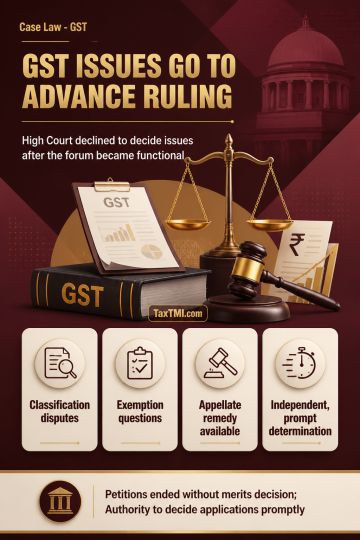
Advance-ruling mechanism governs pending GST classification, exemption and taxability disputes, limiting writ review once the specialised forum functi...
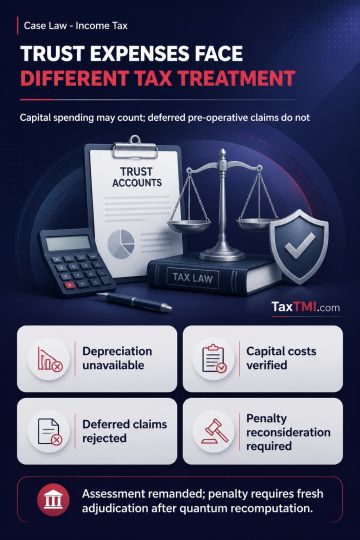
Charitable trust income application permits verified capital expenditure but rejects deferred pre-operative claims and requires reconsideration of con...
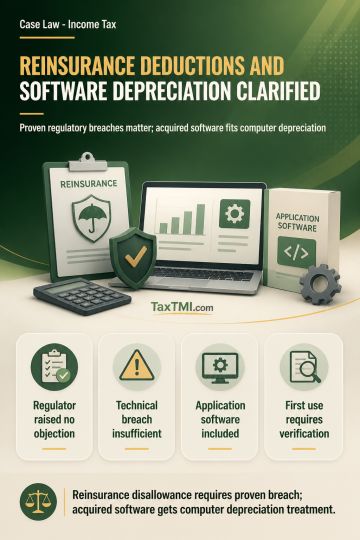
Reinsurance premium deductions require established regulatory breaches, while independently acquired software qualifies within the computer depreciati...
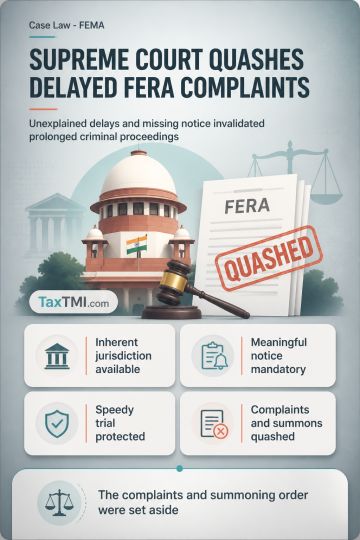
The Supreme Court stated that the availability of revision under Section 397 CrPC does not bar the High Court's inherent jurisdiction under Section 482 CrPC where abuse of process or the ends of justice warrant intervention; a petition may be treated under the appropriate provision rather than rejected on nomenclature. Service of a meaningful opportunity notice under the proviso to Section 61(2) FERA is mandatory before a complaint may be instituted, and cognizance without proof of service is unsustainable. The Court also applied the Article 21 speedy-trial balancing assessment, finding prolonged, unexplained complainant-caused inaction. It set aside the High Court order and quashed the complaints and summoning order.
The Supreme Court stated that the availability of revision under Section 397 CrPC does not bar the High Court's inherent jurisdiction under Section 482 CrPC where abuse of process or the ends of justice warrant intervention; a petition may be treated under the appropriate provision rather than rejected on nomenclature. Service of a meaningful opportunity notice under the proviso to Section 61(2) FERA is mandatory before a complaint may be instituted, and cognizance without proof of service is unsustainable. The Court also applied the Article 21 speedy-trial balancing assessment, finding prolonged, unexplained complainant-caused inaction. It set aside the High Court order and quashed the complaints and summoning order.
Note: It is a system-generated summary and is for quick reference only.
 TaxTMI
 of 4782



 Join Channel


 TaxTMI
