Prolonged sterilisation of development rights supports capital-gains treatment, while business-income disallowances cannot govern capital-gains comput...
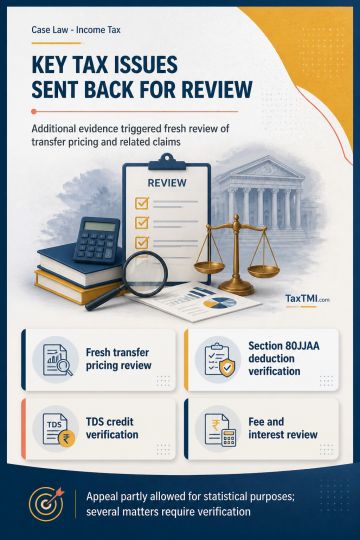
Additional evidence in transfer pricing dispute leads to fresh examination, while tax deductions, TDS credit, fee and refund interest require verifica...
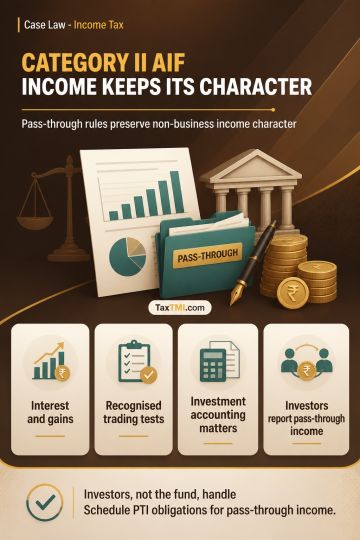
Category II AIF pass-through taxation preserves non-business income character; investment receipts cannot be reclassified without applying recognised ...
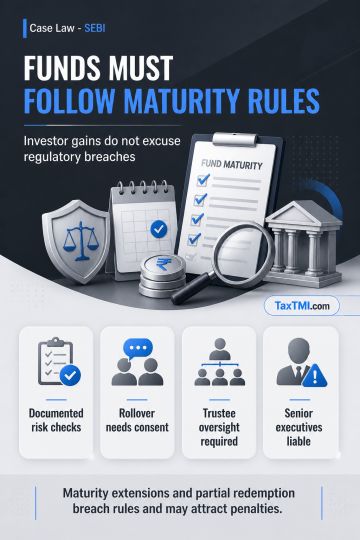
Mutual fund maturity rules require proper rollover, redemption, disclosure, and due diligence; investor gains cannot excuse regulatory breaches or pen...
Threshold exemption excludes exempt services, while stamp-paper purchases avoid reverse charge; consequential service tax penalties were also set asid...
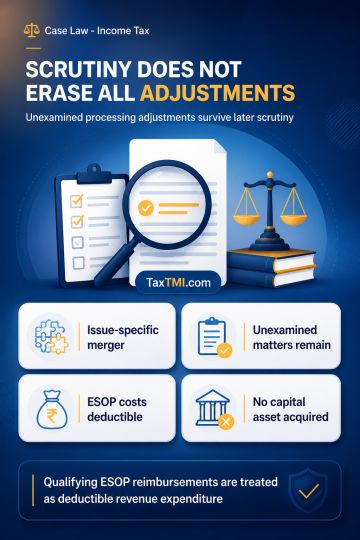
Section 143(1) processing may continue after issuance of a scrutiny notice under section 143(2) for returns from assessment years commencing on or after 1 April 2017. The note explains that merger is issue-specific: only matters actually examined and decided in subsequent scrutiny merge, so unexamined processing adjustments remain separate matters arising from the intimation. It also states that an Assessing Officer need not revisit CPC adjustments merely because scrutiny follows. Cross-charged ESOP costs reimbursed by an Indian subsidiary to its foreign parent are described as employee compensation incurred wholly and exclusively for business, rather than capital expenditure, where the subsidiary neither issues shares nor acquires a capital asset.
Section 143(1) processing may continue after issuance of a scrutiny notice under section 143(2) for returns from assessment years commencing on or after 1 April 2017. The note explains that merger is issue-specific: only matters actually examined and decided in subsequent scrutiny merge, so unexamined processing adjustments remain separate matters arising from the intimation. It also states that an Assessing Officer need not revisit CPC adjustments merely because scrutiny follows. Cross-charged ESOP costs reimbursed by an Indian subsidiary to its foreign parent are described as employee compensation incurred wholly and exclusively for business, rather than capital expenditure, where the subsidiary neither issues shares nor acquires a capital asset.
Note: It is a system-generated summary and is for quick reference only.
 TaxTMI
 of 4784













 Join Channel


 TaxTMI
