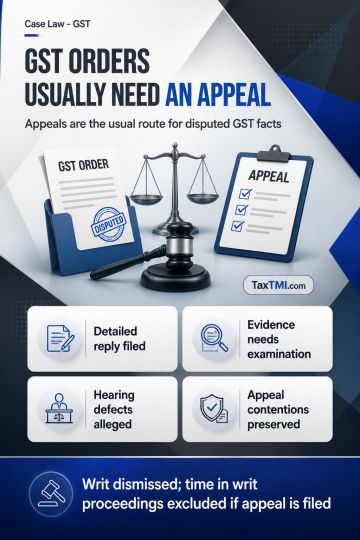
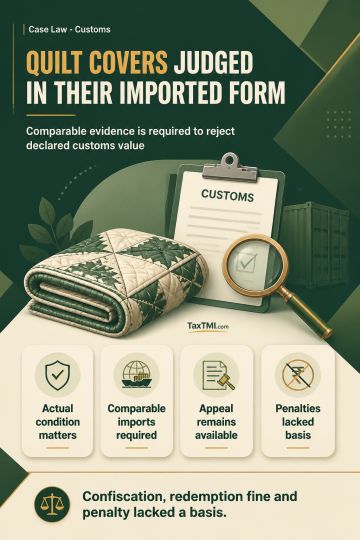
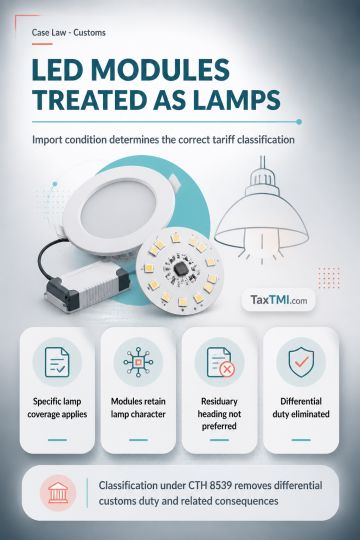
Customs valuation and classification require comparable evidence and assessment of imported goods in their actual condition, invalidating related pena...
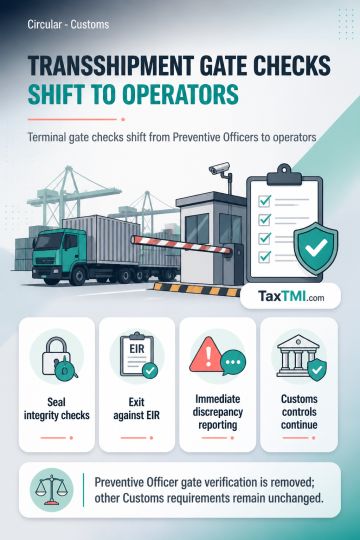
Terminal gate verification for transshipment containers shifts to operators, while Customs controls and discrepancy reporting requirements remain mand...
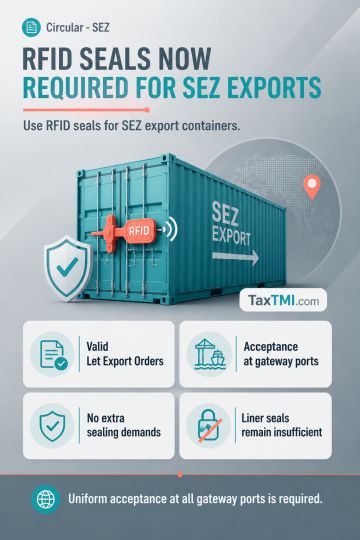
SEZ export containers covered by valid Let Export Orders must use only RFID seals for uniform acceptance at all gateway ports. No additional sealing requirement may be insisted upon. The instruction aligns SEZ container sealing with the CBIC framework permitting self-sealing and RFID e-seals under a risk-based approach. Liner seals affixed by shipping lines do not replace Customs-prescribed sealing mechanisms unless specifically recognised under prescribed procedures. The direction seeks to eliminate non-uniform port practices that have caused operational difficulties for SEZ exporters.
SEZ export containers covered by valid Let Export Orders must use only RFID seals for uniform acceptance at all gateway ports. No additional sealing requirement may be insisted upon. The instruction aligns SEZ container sealing with the CBIC framework permitting self-sealing and RFID e-seals under a risk-based approach. Liner seals affixed by shipping lines do not replace Customs-prescribed sealing mechanisms unless specifically recognised under prescribed procedures. The direction seeks to eliminate non-uniform port practices that have caused operational difficulties for SEZ exporters.
Note: It is a system-generated summary and is for quick reference only.
 TaxTMI
 of 4787













 Join Channel


 TaxTMI