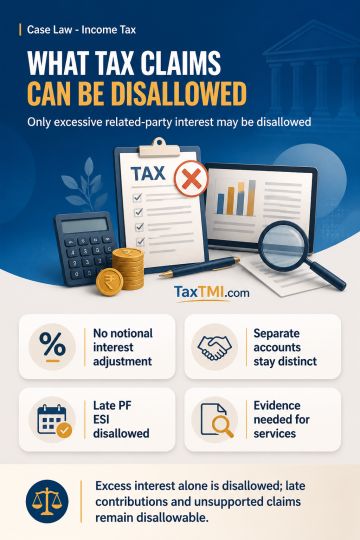
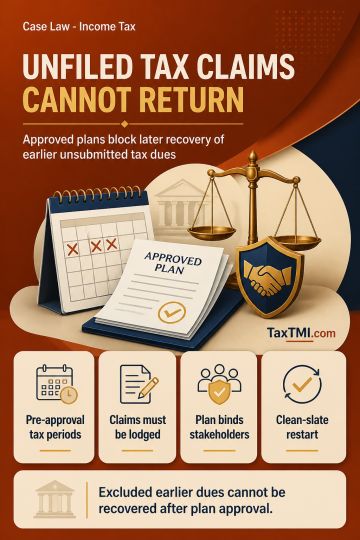
Approved resolution plans extinguish unsubmitted pre-approval tax claims, preventing later recovery outside the insolvency process and preserving a cl...
Transfer pricing comparability requires functional alignment and permits working capital adjustment, while APA margins cannot govern non-covered years...
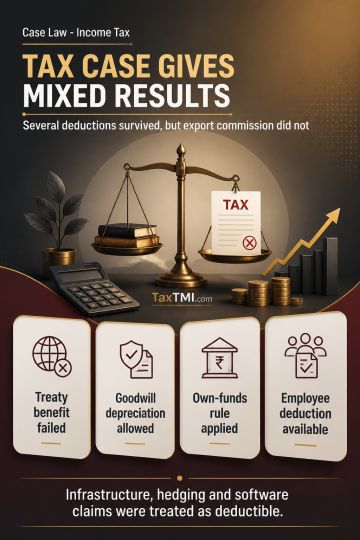
Treaty benefit, goodwill depreciation and hedging costs: export commission disallowed, while key business deductions and depreciation claims succeeded...
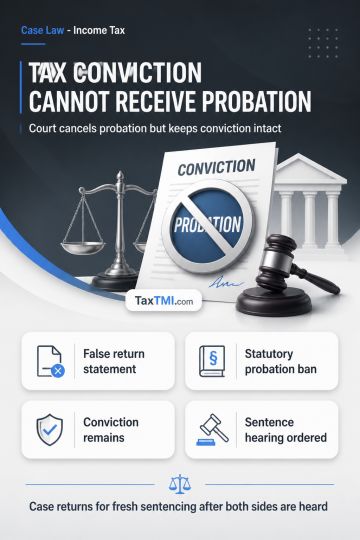
Section 292A of the Income-tax Act expressly bars the application of section 360 of the Code of Criminal Procedure and the Probation of Offenders Act to persons convicted of Income-tax Act offences, except those under eighteen years of age. In relation to a conviction for making a false statement in an income-tax return under section 277, the High Court noted that the trial court had overlooked this statutory prohibition when granting probation. The order granting probation was therefore set aside, while the conviction remained undisturbed. The matter was remitted for fresh determination of sentence after hearing both sides.
Section 292A of the Income-tax Act expressly bars the application of section 360 of the Code of Criminal Procedure and the Probation of Offenders Act to persons convicted of Income-tax Act offences, except those under eighteen years of age. In relation to a conviction for making a false statement in an income-tax return under section 277, the High Court noted that the trial court had overlooked this statutory prohibition when granting probation. The order granting probation was therefore set aside, while the conviction remained undisturbed. The matter was remitted for fresh determination of sentence after hearing both sides.
Note: It is a system-generated summary and is for quick reference only.
 TaxTMI
 of 4782




 Join Channel


 TaxTMI