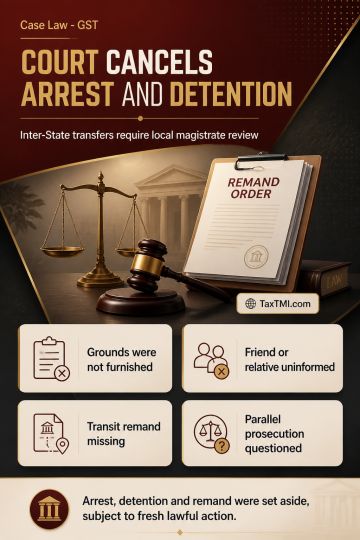
Arrest safeguards and transit remand requirements invalidated detention following inter-State transfer without communicated grounds or magistrate auth...
Arrest safeguards require disclosed grounds, relative intimation and transit remand, while duplicate prosecution under the CGST framework is unsustain...
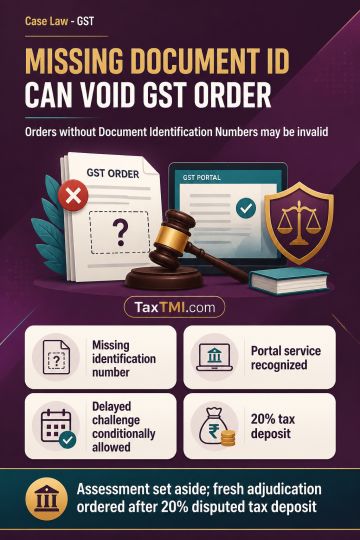
Document Identification Number defects can invalidate GST assessments, with delayed challenges entertained conditionally where patent irregularities e...
Windmill commissioning evidence supported higher depreciation where grid connection and electricity generation proved operational use before the relev...
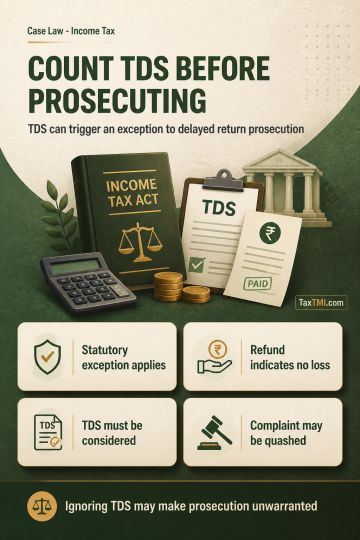
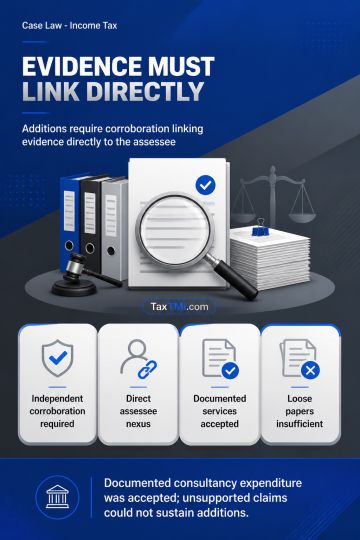
Pharmaceutical promotion and transfer-pricing comparability principles limited disallowances, while uncorroborated search allegations and unsupported ...
At the discharge stage, a strong suspicion based on material capable of being translated into evidence is sufficient, and the court should not conduct a detailed evaluation aimed at conviction. However, prosecution witnesses lacked personal knowledge, merely proved departmental materials, or did not specify the alleged method of excise-duty evasion; the underlying records were not produced, making record-derived evidence inadmissible. Departmental adjudication orders and penalties alone cannot establish criminal liability, as the criminal court must independently assess whether duty evasion occurred and constituted an offence. On the available material, no prima facie case was disclosed, so discharge was upheld and the revision dismissed.
At the discharge stage, a strong suspicion based on material capable of being translated into evidence is sufficient, and the court should not conduct a detailed evaluation aimed at conviction. However, prosecution witnesses lacked personal knowledge, merely proved departmental materials, or did not specify the alleged method of excise-duty evasion; the underlying records were not produced, making record-derived evidence inadmissible. Departmental adjudication orders and penalties alone cannot establish criminal liability, as the criminal court must independently assess whether duty evasion occurred and constituted an offence. On the available material, no prima facie case was disclosed, so discharge was upheld and the revision dismissed.
Note: It is a system-generated summary and is for quick reference only.
 TaxTMI
 of 4782

















 Join Channel



 TaxTMI
