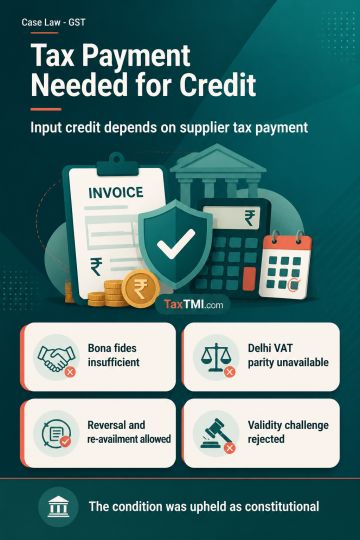
Input tax credit conditions remain constitutionally valid, with eligible recipient claims considered under GST circulars and retrospective filing dead...
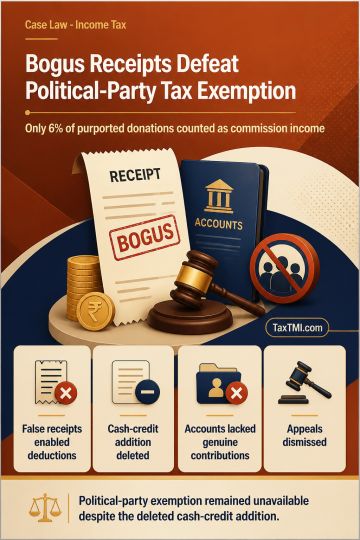
Bogus donation receipts justified commission income assessment and defeated political-party tax exemption for inaccurate accounts and reporting failur...
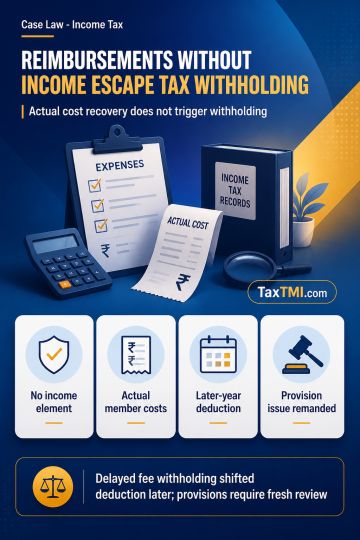
Pure reimbursement without income element escapes tax withholding, while delayed withholding and unsupported provisions face deferred or renewed scrut...
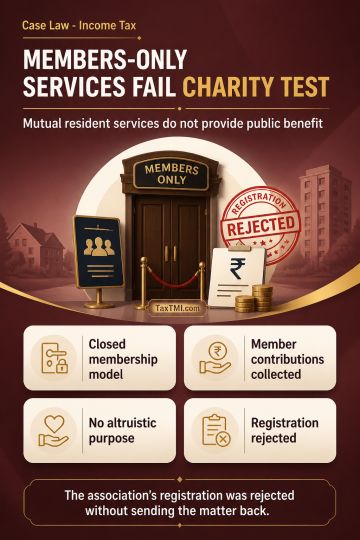
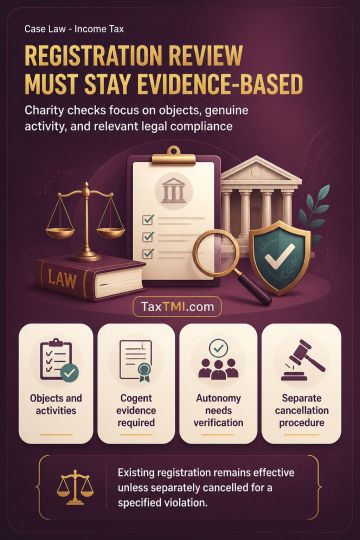
Public benefit requirement defeats charitable registration where residents' association services are reciprocal, member-only facilities governed by mu...
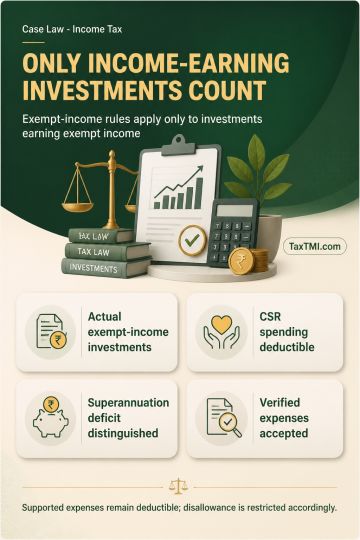
Exempt-income expenditure disallowance is confined to investments that actually generated exempt income, while supported business expenses remain dedu...
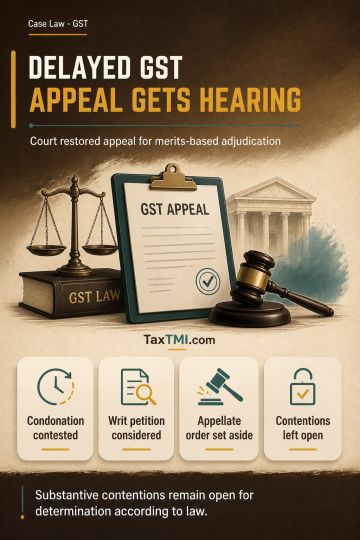
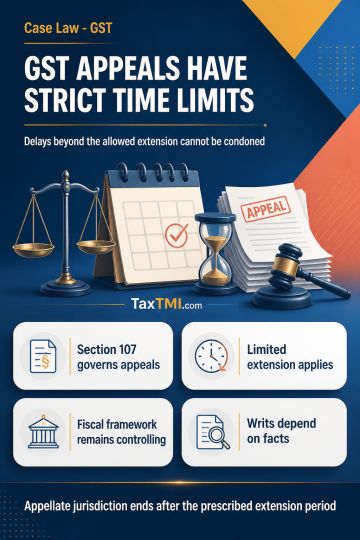
Statutory limitation for GST appeals under Section 107 of the CGST/UKGST Act is treated as an integral and exhaustive part of the appellate remedy. The prescribed appeal period and the limited condonable extension define the Appellate Authority's jurisdiction; therefore, delay beyond that extension cannot be condoned through Section 5 of the Limitation Act. The discussion distinguishes a Supreme Court ruling under beneficial land-acquisition legislation, whose remedial purpose differs from the self-contained fiscal framework of GST. It maintains that fiscal precedents on expressly limited appellate condonation continue to govern unless expressly overruled or distinguished. Individual writ petitions remain for consideration on their respective facts.
Statutory limitation for GST appeals under Section 107 of the CGST/UKGST Act is treated as an integral and exhaustive part of the appellate remedy. The prescribed appeal period and the limited condonable extension define the Appellate Authority's jurisdiction; therefore, delay beyond that extension cannot be condoned through Section 5 of the Limitation Act. The discussion distinguishes a Supreme Court ruling under beneficial land-acquisition legislation, whose remedial purpose differs from the self-contained fiscal framework of GST. It maintains that fiscal precedents on expressly limited appellate condonation continue to govern unless expressly overruled or distinguished. Individual writ petitions remain for consideration on their respective facts.
Note: It is a system-generated summary and is for quick reference only.
 TaxTMI
 of 4782







 Join Channel


 TaxTMI