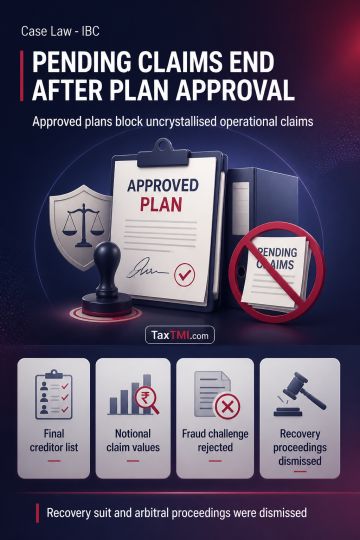
Clean slate principle extinguishes uncrystallised operational claims and bars continuation of pending recovery and arbitral proceedings after plan app...
Works contract classification governs composite layout-development contracts where VAT-paid goods are transferred alongside construction and infrastru...
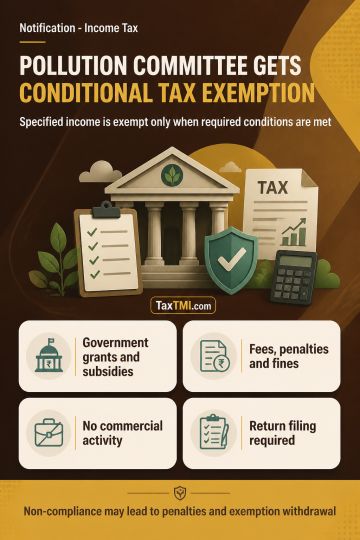
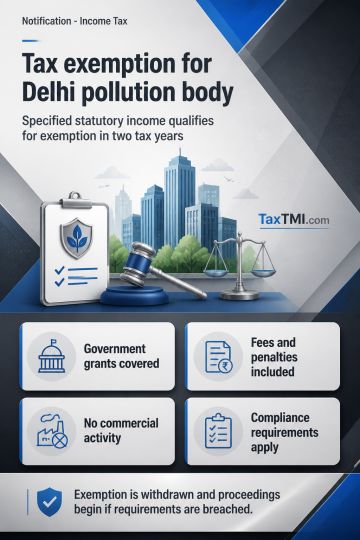
Specified income tax exemption for pollution control body remains conditional on non-commercial activity, unchanged income character, and return filin...
Jurisdictional facts in certificate-of-origin discrepancies can support customs show-cause proceedings, leaving factual explanations for departmental ...
Input tax credit should not be denied to a bona fide purchasing dealer solely because the registered selling dealer, despite receiving tax, failed to file returns. Where the purchaser has paid tax against a valid tax invoice, recovery of unpaid tax should be pursued against the defaulting seller. Action against the purchaser remains available where material establishes collusion. Applying this principle, the discussed High Court decision quashed the demand based on alleged excess input tax credit for the relevant financial year, while preserving the authorities' right to recover dues from the selling dealer in accordance with law.
Input tax credit should not be denied to a bona fide purchasing dealer solely because the registered selling dealer, despite receiving tax, failed to file returns. Where the purchaser has paid tax against a valid tax invoice, recovery of unpaid tax should be pursued against the defaulting seller. Action against the purchaser remains available where material establishes collusion. Applying this principle, the discussed High Court decision quashed the demand based on alleged excess input tax credit for the relevant financial year, while preserving the authorities' right to recover dues from the selling dealer in accordance with law.
Note: It is a system-generated summary and is for quick reference only.
 TaxTMI
 of 4782











 Join Channel



 TaxTMI