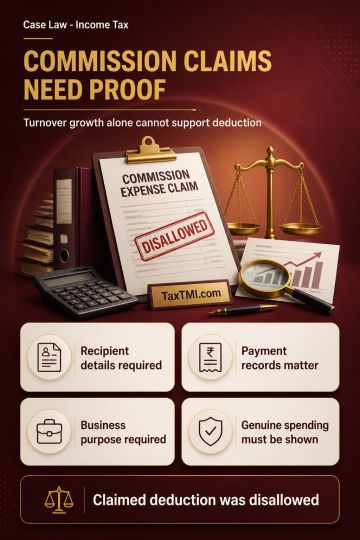
Business expenditure deduction requires proof of genuine commission payments and commercial allowability; turnover growth alone cannot validate the cl...
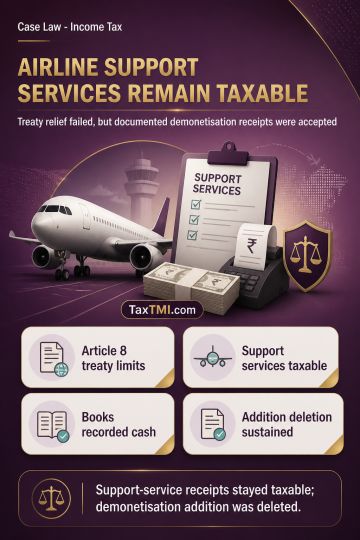
Article 8 treaty coverage excluded third-party airline support services, while documented demonetisation cash receipts remained accepted business inco...
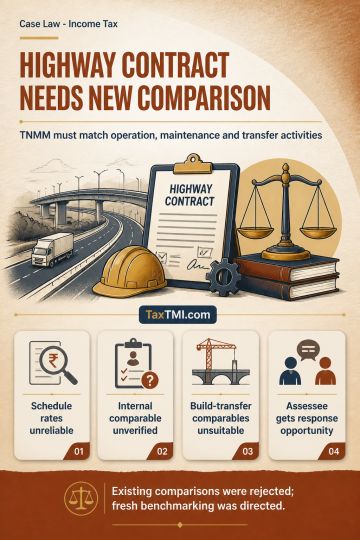
Functional comparability under TNMM requires highway contract benchmarks to reflect operation, maintenance and transfer activities, requiring fresh be...
Input tax credit should not be denied to a bona fide purchasing dealer solely because the registered selling dealer, despite receiving tax, failed to file returns. Where the purchaser has paid tax against a valid tax invoice, recovery of unpaid tax should be pursued against the defaulting seller. Action against the purchaser remains available where material establishes collusion. Applying this principle, the discussed High Court decision quashed the demand based on alleged excess input tax credit for the relevant financial year, while preserving the authorities' right to recover dues from the selling dealer in accordance with law.
Input tax credit should not be denied to a bona fide purchasing dealer solely because the registered selling dealer, despite receiving tax, failed to file returns. Where the purchaser has paid tax against a valid tax invoice, recovery of unpaid tax should be pursued against the defaulting seller. Action against the purchaser remains available where material establishes collusion. Applying this principle, the discussed High Court decision quashed the demand based on alleged excess input tax credit for the relevant financial year, while preserving the authorities' right to recover dues from the selling dealer in accordance with law.
Note: It is a system-generated summary and is for quick reference only.
 TaxTMI
 of 4784









 Join Channel



 TaxTMI
