Clean slate principle extinguishes uncrystallised operational claims and bars continuation of pending recovery and arbitral proceedings after plan app...
Works contract classification governs composite layout-development contracts where VAT-paid goods are transferred alongside construction and infrastru...
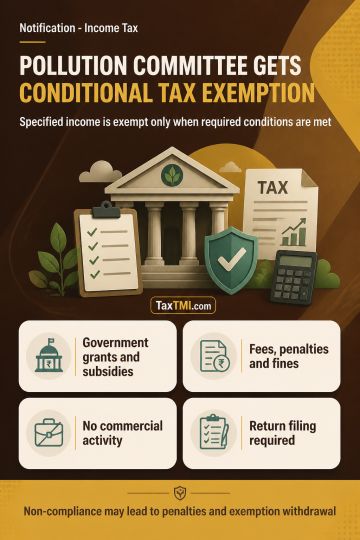
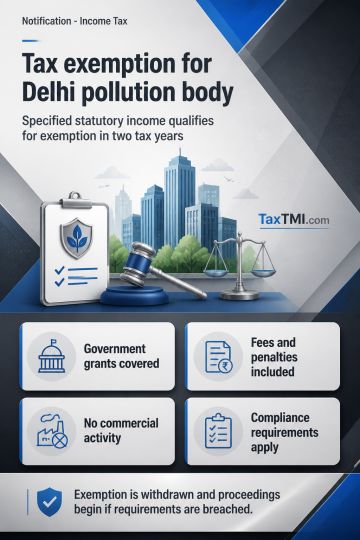
Specified income tax exemption for pollution control body remains conditional on non-commercial activity, unchanged income character, and return filin...
Jurisdictional facts in certificate-of-origin discrepancies can support customs show-cause proceedings, leaving factual explanations for departmental ...
Article 8 of the India-UK DTAA limits exemption to profits from operating aircraft in international traffic, activities directly connected with that transportation, and qualifying participation in airline pools. The notes state that ground handling and engineering services rendered to other airlines were treated as an organised commercial activity, not directly connected with the airline's own aircraft operations, and no qualifying pool participation was established. Receipts from those services were therefore taxable in India and outside Article 8 for the relevant assessment years. Decisions under the India-Germany and India-Netherlands treaties were distinguished because their provisions were wider, while OECD commentary was stated not to be binding.
Article 8 of the India-UK DTAA limits exemption to profits from operating aircraft in international traffic, activities directly connected with that transportation, and qualifying participation in airline pools. The notes state that ground handling and engineering services rendered to other airlines were treated as an organised commercial activity, not directly connected with the airline's own aircraft operations, and no qualifying pool participation was established. Receipts from those services were therefore taxable in India and outside Article 8 for the relevant assessment years. Decisions under the India-Germany and India-Netherlands treaties were distinguished because their provisions were wider, while OECD commentary was stated not to be binding.
Note: It is a system-generated summary and is for quick reference only.
 TaxTMI
 of 4782












 Join Channel



 TaxTMI