Necessary-party requirements limit impleadment of independent entities, while deferred consideration does not create an appealable adverse determinati...
Food supplement classification requires common parlance and authoritative tests, preventing treatment as proprietary Ayurvedic medicines without suppo...
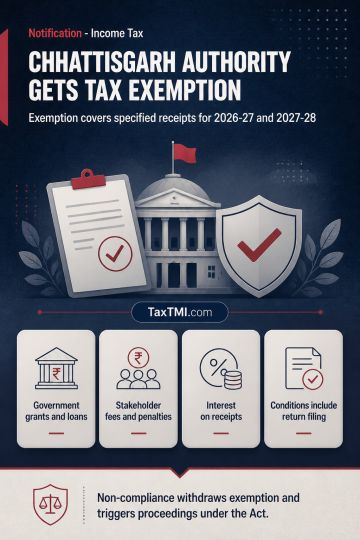
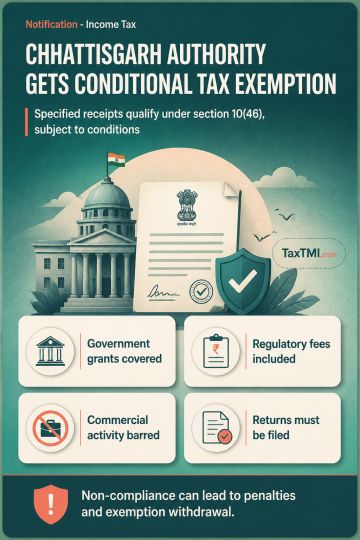
Specified regulatory authority income receives conditional tax exemption, subject to non-commercial activity, unchanged income character, and return f...
Tax exemption for regulatory authority income applies retrospectively, subject to non-commercial activity, unchanged income sources, and return-filing...
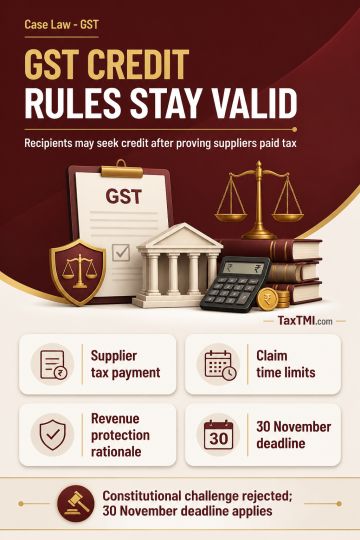
Input tax credit conditions remain constitutionally valid, with eligible recipient claims considered under GST circulars and retrospective filing dead...
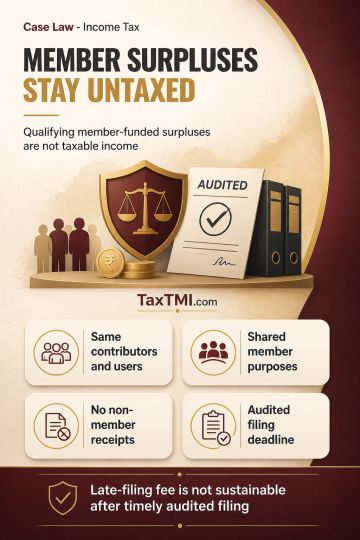
The doctrine of mutuality excludes surplus from a co-operative housing society's maintenance charges, property-tax recoveries and other member collections where contributors and participators are identical, funds serve common member purposes, and there are no non-member receipts or commercial activity. A year-end surplus merely augments the common fund and does not become taxable income. The notes also state that an audited co-operative society may file its return by the applicable audit-related due date; where filed within that date, late-filing fee under section 234F is not sustainable.
The doctrine of mutuality excludes surplus from a co-operative housing society's maintenance charges, property-tax recoveries and other member collections where contributors and participators are identical, funds serve common member purposes, and there are no non-member receipts or commercial activity. A year-end surplus merely augments the common fund and does not become taxable income. The notes also state that an audited co-operative society may file its return by the applicable audit-related due date; where filed within that date, late-filing fee under section 234F is not sustainable.
Note: It is a system-generated summary and is for quick reference only.
 TaxTMI
 of 4784
















 Join Channel


 TaxTMI