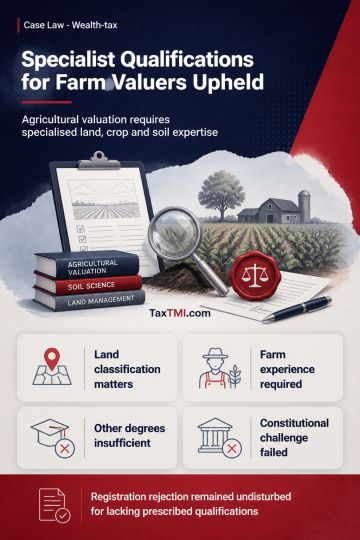
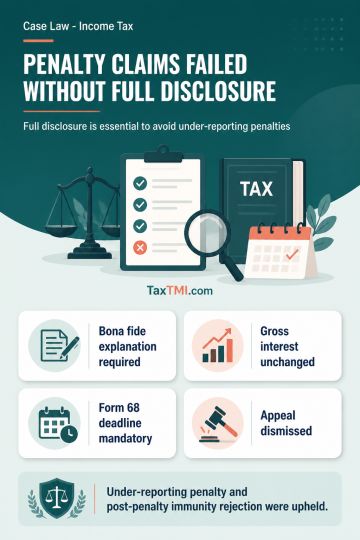
Bona fide disclosure requirements govern under-reporting penalties, and post-penalty immunity applications cannot secure available statutory protectio...
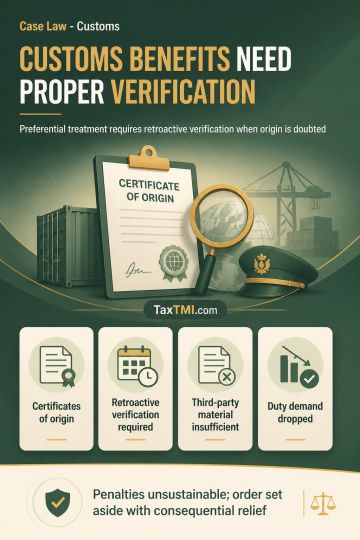
Certificate-of-origin verification procedure governs preferential customs benefits; denial without retroactive verification was set aside with consequ...
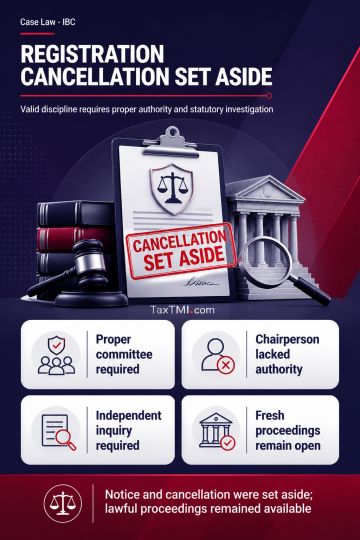
Disciplinary Committee jurisdiction and mandatory investigation requirements invalidated cancellation of an insolvency professional's registration and...
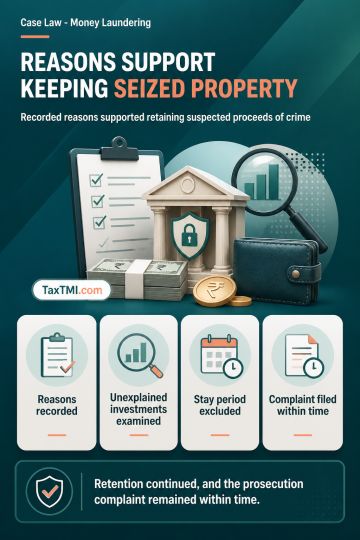
Retention of seized property survives where recorded reasons support proceeds of crime, while stayed investigation periods are excluded from limitatio...
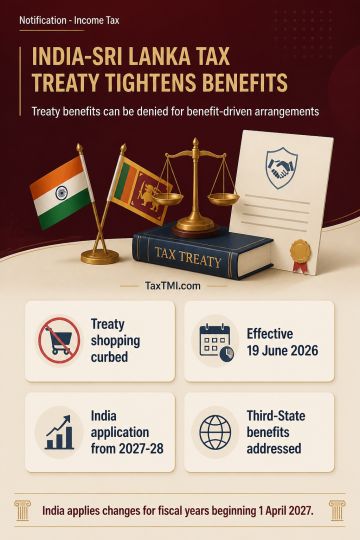
The India-Sri Lanka tax treaty is amended to expressly prevent non-taxation or reduced taxation arising from tax evasion, avoidance and treaty-shopping arrangements that indirectly benefit third-State residents. It also introduces a principal purpose test: treaty benefits may be denied where, considering all relevant facts and circumstances, obtaining the benefit was one of the principal purposes of an arrangement or transaction, unless granting it accords with the object and purpose of the relevant treaty provisions. The Protocol entered into force on 19 June 2026 and applies in India to income derived in fiscal years beginning on or after 1 April 2027.
The India-Sri Lanka tax treaty is amended to expressly prevent non-taxation or reduced taxation arising from tax evasion, avoidance and treaty-shopping arrangements that indirectly benefit third-State residents. It also introduces a principal purpose test: treaty benefits may be denied where, considering all relevant facts and circumstances, obtaining the benefit was one of the principal purposes of an arrangement or transaction, unless granting it accords with the object and purpose of the relevant treaty provisions. The Protocol entered into force on 19 June 2026 and applies in India to income derived in fiscal years beginning on or after 1 April 2027.
Note: It is a system-generated summary and is for quick reference only.
 TaxTMI
 of 4782




 Join Channel


 TaxTMI