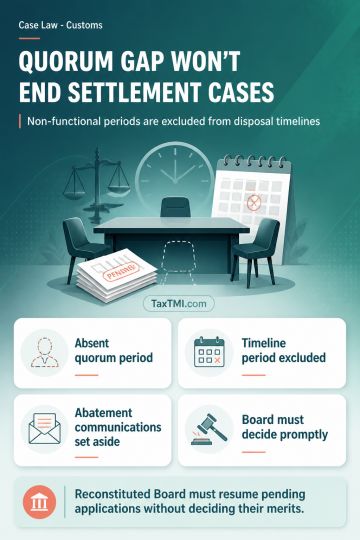
Institutional incapacity in customs settlement proceedings excludes non-functional quorum periods from statutory disposal timelines, preventing automa...
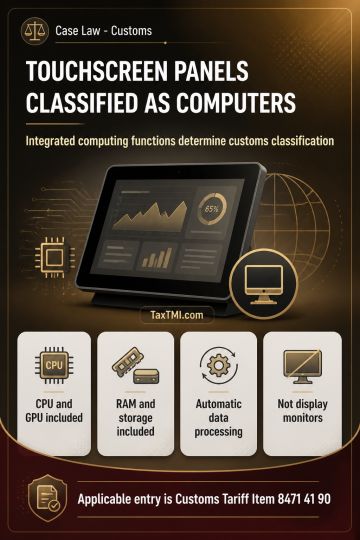
Interactive touchscreen panels with integrated computing functions fall under automatic data-processing machines rather than display monitors for cust...
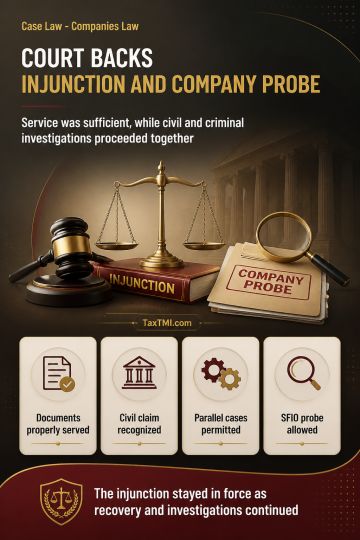
Ex parte injunction service requirements were substantially met, while civil recovery and SFIO investigation into provident fund defalcation continued...
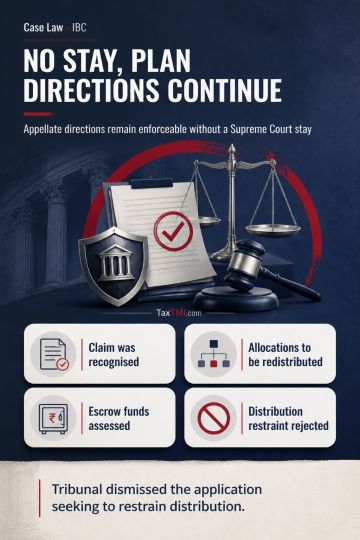
Enforcement of resolution-plan directions continues without a Supreme Court stay, preventing suspension of redistribution and escrowed-fund distributi...
Third-party ownership claims over attached property require Special Court adjudication where purchasers lack registered sale deeds and bona fides rema...
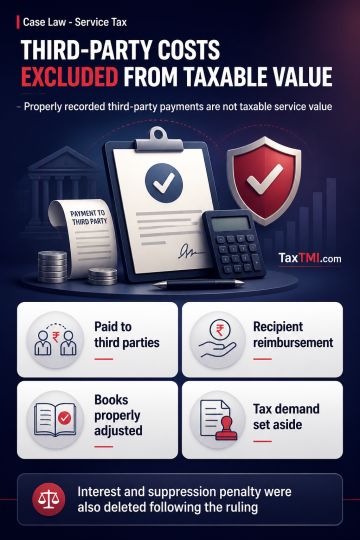
Pure-agent reimbursements in clearing and forwarding services are excluded from taxable value when qualifying third-party payments are properly record...
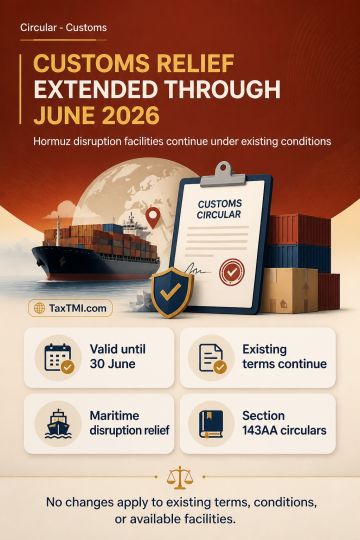
Customs relief for Strait of Hormuz maritime disruptions remains available, with existing conditions continuing unchanged through the extended validit...
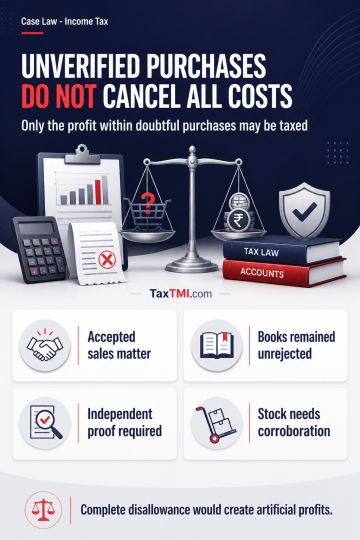
Primary purchase evidence, accepted sales and unrejected books may discharge the purchaser's burden unless the Revenue produces independent material showing sham supplies or return of consideration. A supplier's failure to substantiate its own procurement chain, alleged excess mining, or direct dispatch to customers does not alone justify disallowance. Where purchase evidence is deficient but sales, audited accounts and quantitative records are accepted, only the profit embedded in unverifiable purchases may be estimated, using the disclosed gross-profit ratio; complete disallowance would create artificial profits. A closing-stock balance in seized electronic records requires corroboration and cannot stand where incomplete consumption entries create a notional, improbable stock figure unsupported by physical stock or other defects.
Primary purchase evidence, accepted sales and unrejected books may discharge the purchaser's burden unless the Revenue produces independent material showing sham supplies or return of consideration. A supplier's failure to substantiate its own procurement chain, alleged excess mining, or direct dispatch to customers does not alone justify disallowance. Where purchase evidence is deficient but sales, audited accounts and quantitative records are accepted, only the profit embedded in unverifiable purchases may be estimated, using the disclosed gross-profit ratio; complete disallowance would create artificial profits. A closing-stock balance in seized electronic records requires corroboration and cannot stand where incomplete consumption entries create a notional, improbable stock figure unsupported by physical stock or other defects.
Note: It is a system-generated summary and is for quick reference only.
 TaxTMI
 of 4788







 Join Channel


 TaxTMI