Development agreements require legal possession or effective enjoyment for capital gains transfer; permissive possession and deferred consideration de...
Prolonged sterilisation of development rights supports capital-gains treatment, while business-income disallowances cannot govern capital-gains comput...
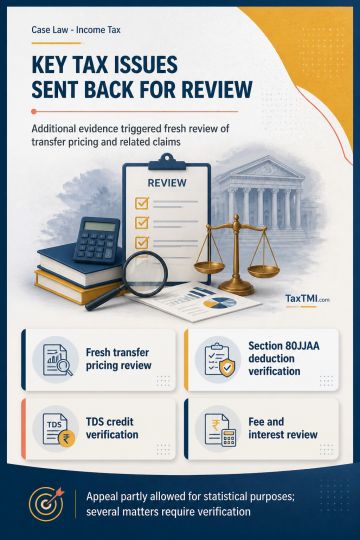
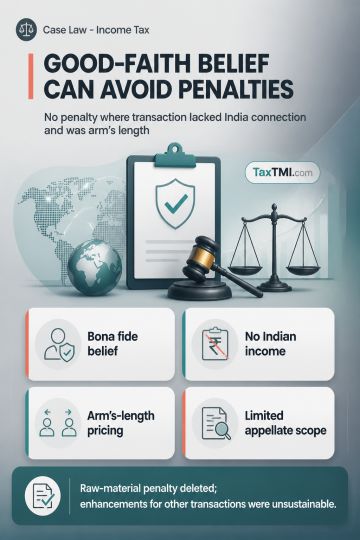
Additional evidence in transfer pricing dispute leads to fresh examination, while tax deductions, TDS credit, fee and refund interest require verifica...
Category II AIF pass-through taxation preserves non-business income character; investment receipts cannot be reclassified without applying recognised ...
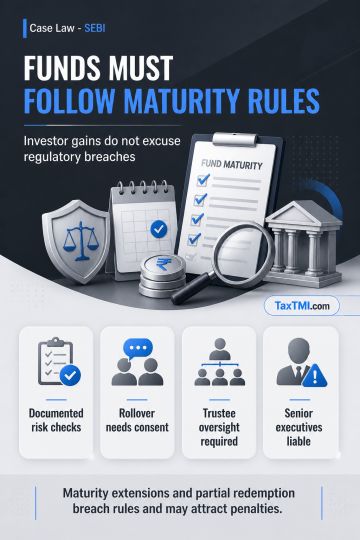
Mutual fund maturity rules require proper rollover, redemption, disclosure, and due diligence; investor gains cannot excuse regulatory breaches or pen...
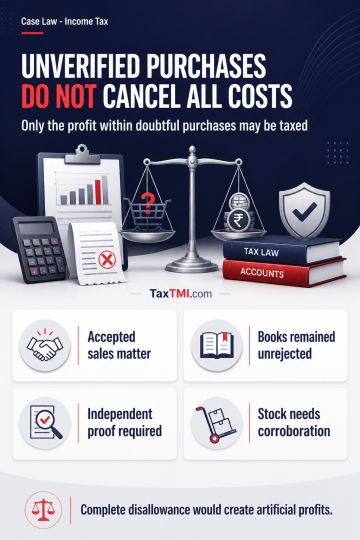
Primary purchase evidence, accepted sales and unrejected books may discharge the purchaser's burden unless the Revenue produces independent material showing sham supplies or return of consideration. A supplier's failure to substantiate its own procurement chain, alleged excess mining, or direct dispatch to customers does not alone justify disallowance. Where purchase evidence is deficient but sales, audited accounts and quantitative records are accepted, only the profit embedded in unverifiable purchases may be estimated, using the disclosed gross-profit ratio; complete disallowance would create artificial profits. A closing-stock balance in seized electronic records requires corroboration and cannot stand where incomplete consumption entries create a notional, improbable stock figure unsupported by physical stock or other defects.
Primary purchase evidence, accepted sales and unrejected books may discharge the purchaser's burden unless the Revenue produces independent material showing sham supplies or return of consideration. A supplier's failure to substantiate its own procurement chain, alleged excess mining, or direct dispatch to customers does not alone justify disallowance. Where purchase evidence is deficient but sales, audited accounts and quantitative records are accepted, only the profit embedded in unverifiable purchases may be estimated, using the disclosed gross-profit ratio; complete disallowance would create artificial profits. A closing-stock balance in seized electronic records requires corroboration and cannot stand where incomplete consumption entries create a notional, improbable stock figure unsupported by physical stock or other defects.
Note: It is a system-generated summary and is for quick reference only.
 TaxTMI
 of 4782













 Join Channel


 TaxTMI