Defined public benefit can retain charitable character; registration renewal requires examining genuine activities and legal compliance, not surplus a...
Capital reduction is distinct from share buy-back, preventing buy-back tax; restructuring interest and related business deductions also survive scruti...
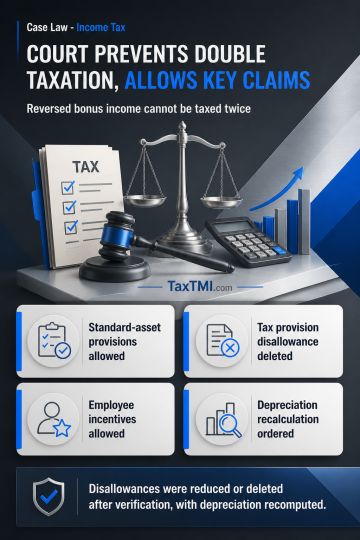
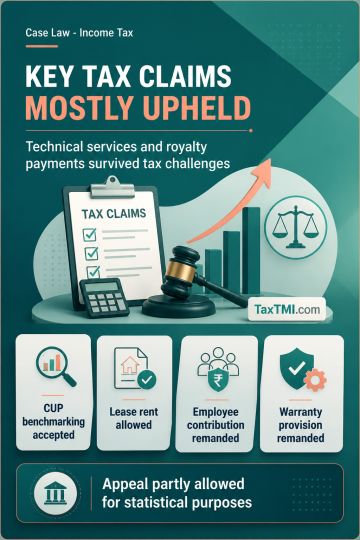
Transfer pricing and tax deductions upheld on established principles, while employee contributions and warranty provisions returned for fresh examinat...
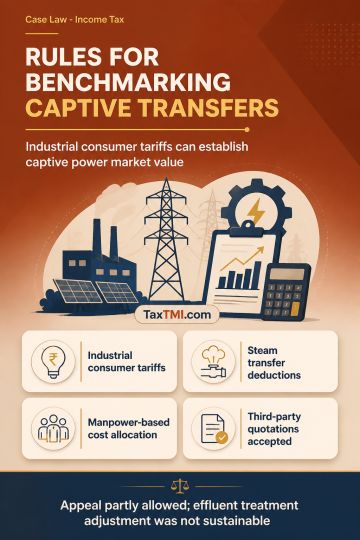
Captive transfer pricing relies on industrial consumer tariffs, while genuine quotations can benchmark effluent treatment transfers under the Other Me...
Specific tariff classification for ophthalmic instruments and extended limitation principles determine the treatment of duty demands, confiscation, an...
Integrated golf function determines classification, placing launch monitors and simulators under other golf equipment rather than measuring instrument...
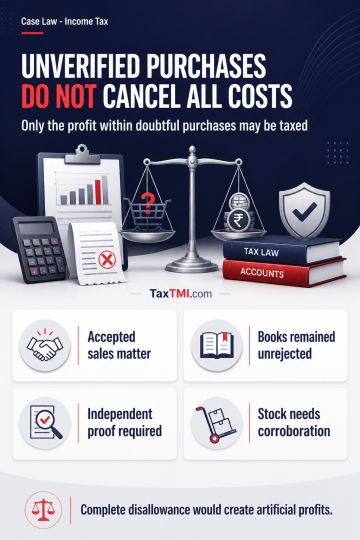
Primary purchase evidence, accepted sales and unrejected books may discharge the purchaser's burden unless the Revenue produces independent material showing sham supplies or return of consideration. A supplier's failure to substantiate its own procurement chain, alleged excess mining, or direct dispatch to customers does not alone justify disallowance. Where purchase evidence is deficient but sales, audited accounts and quantitative records are accepted, only the profit embedded in unverifiable purchases may be estimated, using the disclosed gross-profit ratio; complete disallowance would create artificial profits. A closing-stock balance in seized electronic records requires corroboration and cannot stand where incomplete consumption entries create a notional, improbable stock figure unsupported by physical stock or other defects.
Primary purchase evidence, accepted sales and unrejected books may discharge the purchaser's burden unless the Revenue produces independent material showing sham supplies or return of consideration. A supplier's failure to substantiate its own procurement chain, alleged excess mining, or direct dispatch to customers does not alone justify disallowance. Where purchase evidence is deficient but sales, audited accounts and quantitative records are accepted, only the profit embedded in unverifiable purchases may be estimated, using the disclosed gross-profit ratio; complete disallowance would create artificial profits. A closing-stock balance in seized electronic records requires corroboration and cannot stand where incomplete consumption entries create a notional, improbable stock figure unsupported by physical stock or other defects.
Note: It is a system-generated summary and is for quick reference only.
 TaxTMI
 of 4782













 Join Channel


 TaxTMI
