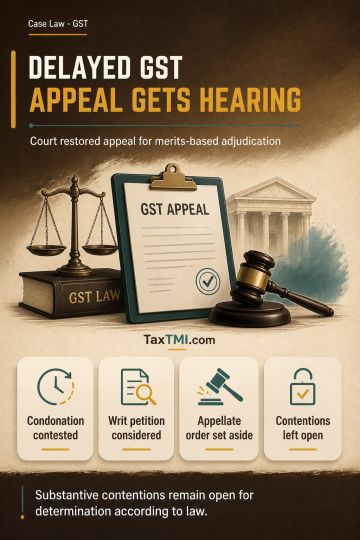
Necessary-party requirements limit impleadment of independent entities, while deferred consideration does not create an appealable adverse determinati...
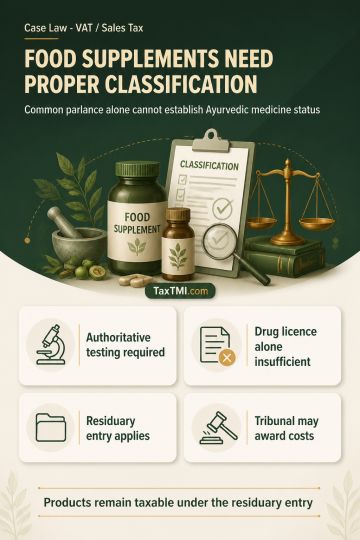
Food supplement classification requires common parlance and authoritative tests, preventing treatment as proprietary Ayurvedic medicines without suppo...
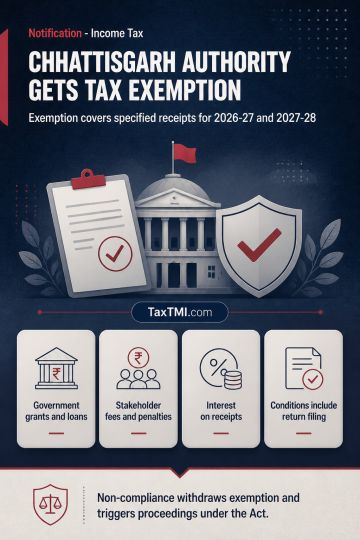
Specified regulatory authority income receives conditional tax exemption, subject to non-commercial activity, unchanged income character, and return f...
Tax exemption for regulatory authority income applies retrospectively, subject to non-commercial activity, unchanged income sources, and return-filing...
Input tax credit conditions remain constitutionally valid, with eligible recipient claims considered under GST circulars and retrospective filing dead...
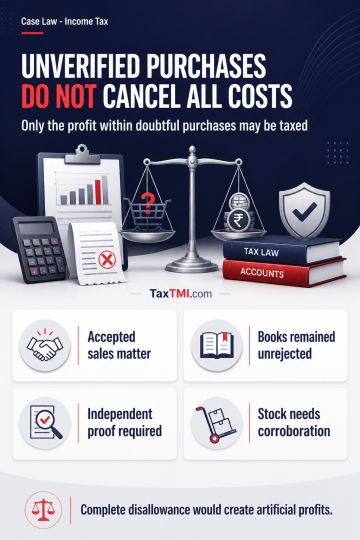
Primary purchase evidence, accepted sales and unrejected books may discharge the purchaser's burden unless the Revenue produces independent material showing sham supplies or return of consideration. A supplier's failure to substantiate its own procurement chain, alleged excess mining, or direct dispatch to customers does not alone justify disallowance. Where purchase evidence is deficient but sales, audited accounts and quantitative records are accepted, only the profit embedded in unverifiable purchases may be estimated, using the disclosed gross-profit ratio; complete disallowance would create artificial profits. A closing-stock balance in seized electronic records requires corroboration and cannot stand where incomplete consumption entries create a notional, improbable stock figure unsupported by physical stock or other defects.
Primary purchase evidence, accepted sales and unrejected books may discharge the purchaser's burden unless the Revenue produces independent material showing sham supplies or return of consideration. A supplier's failure to substantiate its own procurement chain, alleged excess mining, or direct dispatch to customers does not alone justify disallowance. Where purchase evidence is deficient but sales, audited accounts and quantitative records are accepted, only the profit embedded in unverifiable purchases may be estimated, using the disclosed gross-profit ratio; complete disallowance would create artificial profits. A closing-stock balance in seized electronic records requires corroboration and cannot stand where incomplete consumption entries create a notional, improbable stock figure unsupported by physical stock or other defects.
Note: It is a system-generated summary and is for quick reference only.
 TaxTMI
 of 4784











 Join Channel


 TaxTMI