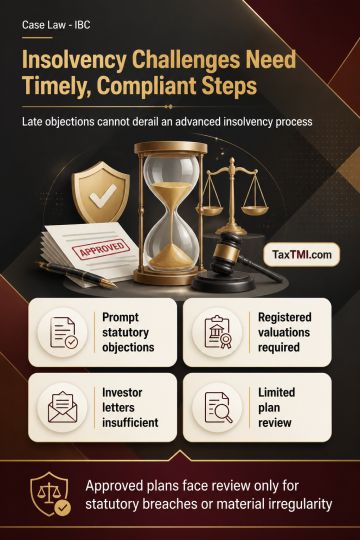
Clean slate principle extinguishes uncrystallised operational claims and bars continuation of pending recovery and arbitral proceedings after plan app...
Works contract classification governs composite layout-development contracts where VAT-paid goods are transferred alongside construction and infrastru...
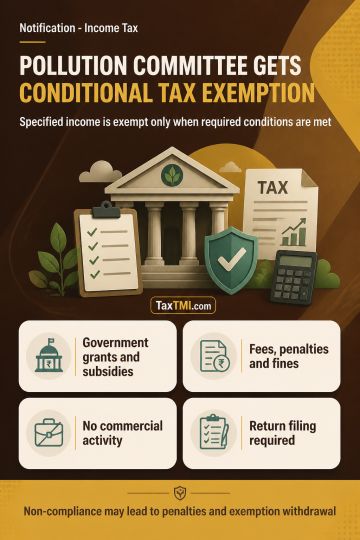
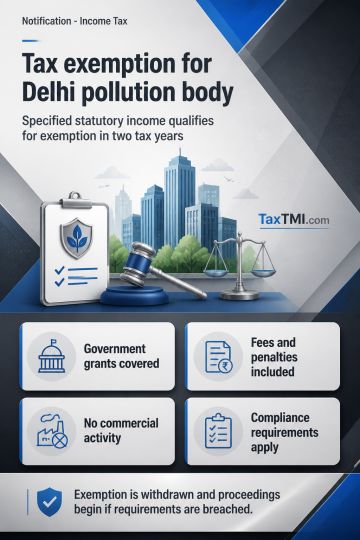
Specified income tax exemption for pollution control body remains conditional on non-commercial activity, unchanged income character, and return filin...
Jurisdictional facts in certificate-of-origin discrepancies can support customs show-cause proceedings, leaving factual explanations for departmental ...
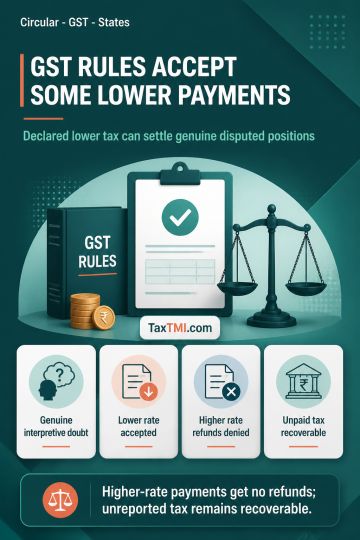
GST regularisation on an "as is" or "as is, where is" basis accepts, as full discharge of liability for the regularised period, tax paid at the lower competing rate or nil rate claimed under a genuinely doubtful exemption entry and declared in returns. Taxpayers who paid a higher rate are not entitled to a refund. The regularisation applies where competing rate entries or divergent interpretations caused genuine doubt; it does not protect cases where no tax was paid when the dispute concerned only competing positive rates. In those cases, tax at the clarified applicable rate remains recoverable.
GST regularisation on an "as is" or "as is, where is" basis accepts, as full discharge of liability for the regularised period, tax paid at the lower competing rate or nil rate claimed under a genuinely doubtful exemption entry and declared in returns. Taxpayers who paid a higher rate are not entitled to a refund. The regularisation applies where competing rate entries or divergent interpretations caused genuine doubt; it does not protect cases where no tax was paid when the dispute concerned only competing positive rates. In those cases, tax at the clarified applicable rate remains recoverable.
Note: It is a system-generated summary and is for quick reference only.
 TaxTMI
 of 4782










 Join Channel


 TaxTMI