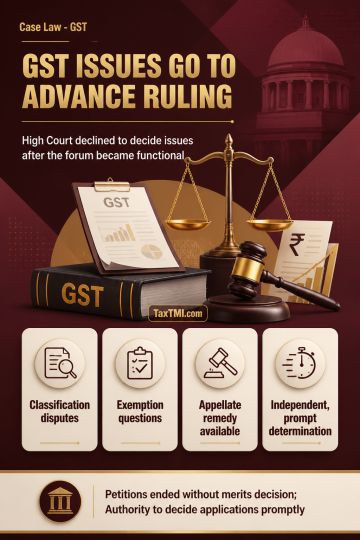
Advance-ruling mechanism governs pending GST classification, exemption and taxability disputes, limiting writ review once the specialised forum functi...
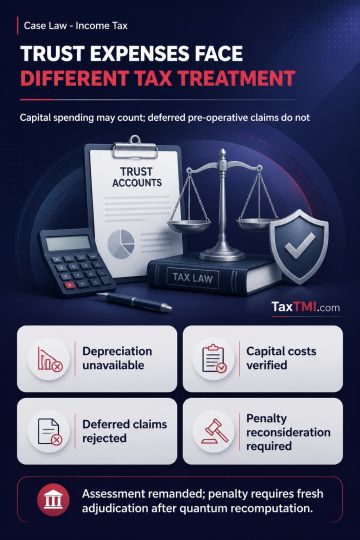
Charitable trust income application permits verified capital expenditure but rejects deferred pre-operative claims and requires reconsideration of con...
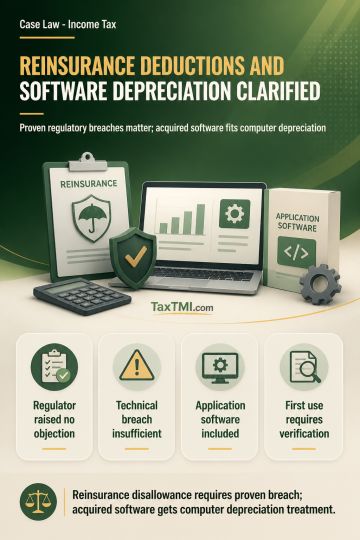
Reinsurance premium deductions require established regulatory breaches, while independently acquired software qualifies within the computer depreciati...
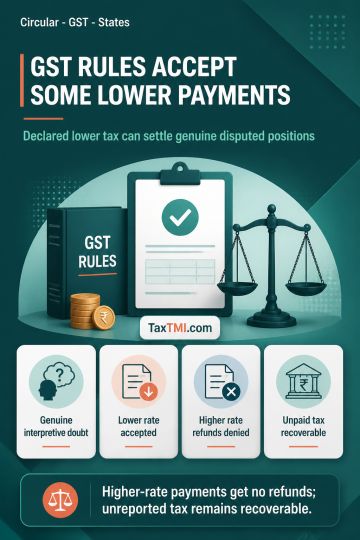
GST regularisation on an "as is" or "as is, where is" basis accepts, as full discharge of liability for the regularised period, tax paid at the lower competing rate or nil rate claimed under a genuinely doubtful exemption entry and declared in returns. Taxpayers who paid a higher rate are not entitled to a refund. The regularisation applies where competing rate entries or divergent interpretations caused genuine doubt; it does not protect cases where no tax was paid when the dispute concerned only competing positive rates. In those cases, tax at the clarified applicable rate remains recoverable.
GST regularisation on an "as is" or "as is, where is" basis accepts, as full discharge of liability for the regularised period, tax paid at the lower competing rate or nil rate claimed under a genuinely doubtful exemption entry and declared in returns. Taxpayers who paid a higher rate are not entitled to a refund. The regularisation applies where competing rate entries or divergent interpretations caused genuine doubt; it does not protect cases where no tax was paid when the dispute concerned only competing positive rates. In those cases, tax at the clarified applicable rate remains recoverable.
Note: It is a system-generated summary and is for quick reference only.
 TaxTMI
 of 4782






 Join Channel


 TaxTMI
