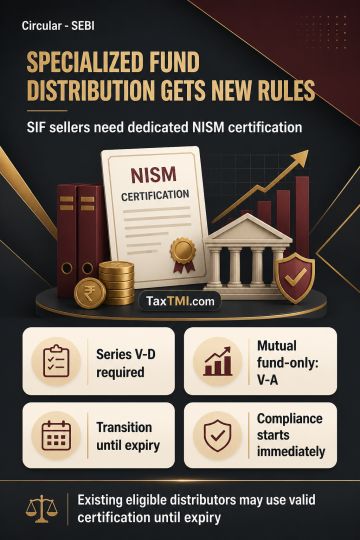
Specialized Investment Fund distribution now requires dedicated certification, while transitional recognition preserves existing qualified distributor...
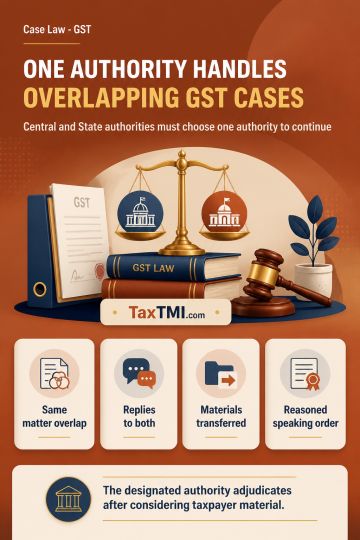
Overlapping GST proceedings require Central and State authorities to designate one competent authority for coordinated adjudication of the same matter...
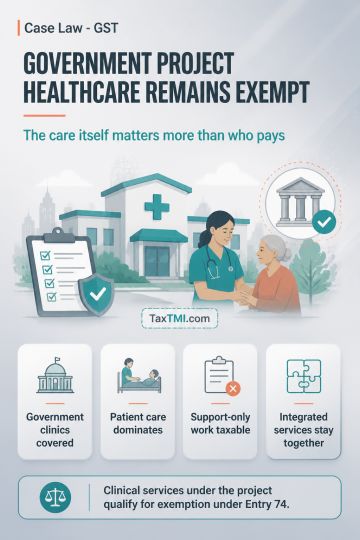
Composite healthcare supplies retain exemption when patient care is the contract's essential character, despite payment through an implementing agency...
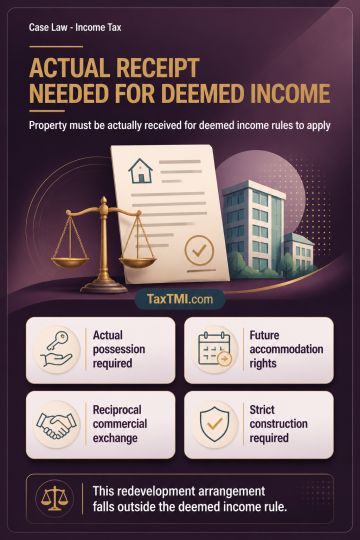
Receipt of immovable property requires actual possession or enjoyment; redevelopment allotments exchanged for tenancy rights fall outside deemed incom...
Page of 4782
Press 'Enter' after typing page number.
561 to 580 of 95636 Results
❮
❯
❯❯
0 / 200
Expand Note
Add to Folder
No Folders have been created
+
Are you sure you want to delete "My most important" ?
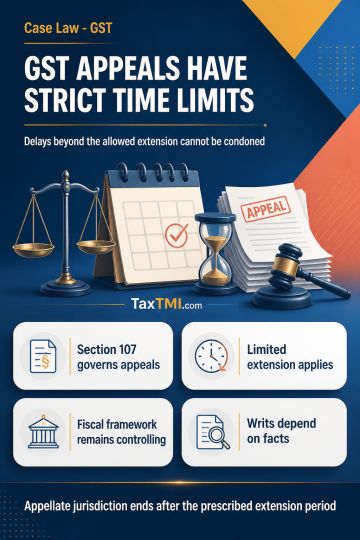
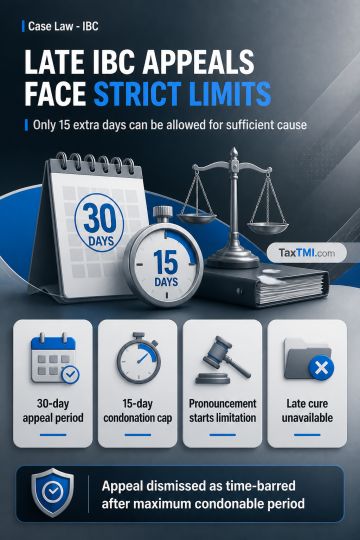
Section 61(2) of the Insolvency and Bankruptcy Code imposes a strict 30-day appeal period, with condonation limited to a further 15 days on sufficient cause; general limitation principles cannot expand this statutory cap. An appeal filed after the initial period without a delay-condonation application is treated as validly instituted only when that application is filed. Where a party participated in the proceedings, limitation runs from pronouncement of the order, while order uploading matters only if no pronouncement occurred on the hearing date. A later condonation application cannot cure filing after the maximum condonable period, resulting in dismissal as time-barred.
Section 61(2) of the Insolvency and Bankruptcy Code imposes a strict 30-day appeal period, with condonation limited to a further 15 days on sufficient cause; general limitation principles cannot expand this statutory cap. An appeal filed after the initial period without a delay-condonation application is treated as validly instituted only when that application is filed. Where a party participated in the proceedings, limitation runs from pronouncement of the order, while order uploading matters only if no pronouncement occurred on the hearing date. A later condonation application cannot cure filing after the maximum condonable period, resulting in dismissal as time-barred.
Note: It is a system-generated summary and is for quick reference only.
 TaxTMI
 of 4782




 Join Channel


 TaxTMI