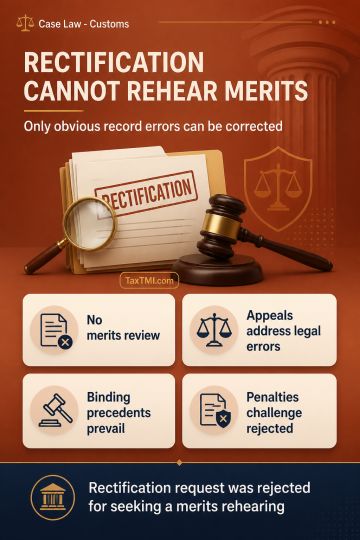
Rectification of mistake remains limited to self-evident record errors, preventing merits review through miscellaneous applications and preserving fin...
Tender creditworthiness conditions may extend to de facto Promoter Directors, with post-participation challenges generally barred absent arbitrariness...
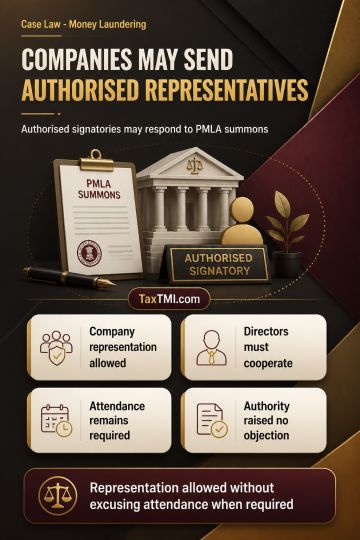
Corporate representation in PMLA summons proceedings permitted through an authorised signatory, subject to directors' continuing cooperation and atten...
Helicopter charter classification requires effective control analysis, while territorial performance, reasoned credit orders and wilful suppression de...
Pan-India jurisdiction of specified Central Excise Officers for service-tax investigations is examined through the meaning of "local limits" under the Service Tax Rules. The notes explain that the Board's power to appoint and invest officers under Chapter V of the Finance Act, 1994 can extend to all-India territorial limits, and that later notifications do not curtail independently conferred powers. They also address overlapping jurisdiction, requiring the specified adjudicating authority to proceed with the relevant show-cause notice. Pre-show-cause-notice consultation under the departmental Master Circular is described as recommendatory rather than mandatory, so its omission does not invalidate notices; factual challenges to original orders remain subject to statutory appellate remedies.
Pan-India jurisdiction of specified Central Excise Officers for service-tax investigations is examined through the meaning of "local limits" under the Service Tax Rules. The notes explain that the Board's power to appoint and invest officers under Chapter V of the Finance Act, 1994 can extend to all-India territorial limits, and that later notifications do not curtail independently conferred powers. They also address overlapping jurisdiction, requiring the specified adjudicating authority to proceed with the relevant show-cause notice. Pre-show-cause-notice consultation under the departmental Master Circular is described as recommendatory rather than mandatory, so its omission does not invalidate notices; factual challenges to original orders remain subject to statutory appellate remedies.
Note: It is a system-generated summary and is for quick reference only.
 TaxTMI
 of 4782












 Join Channel



 TaxTMI